

 Phoenix 24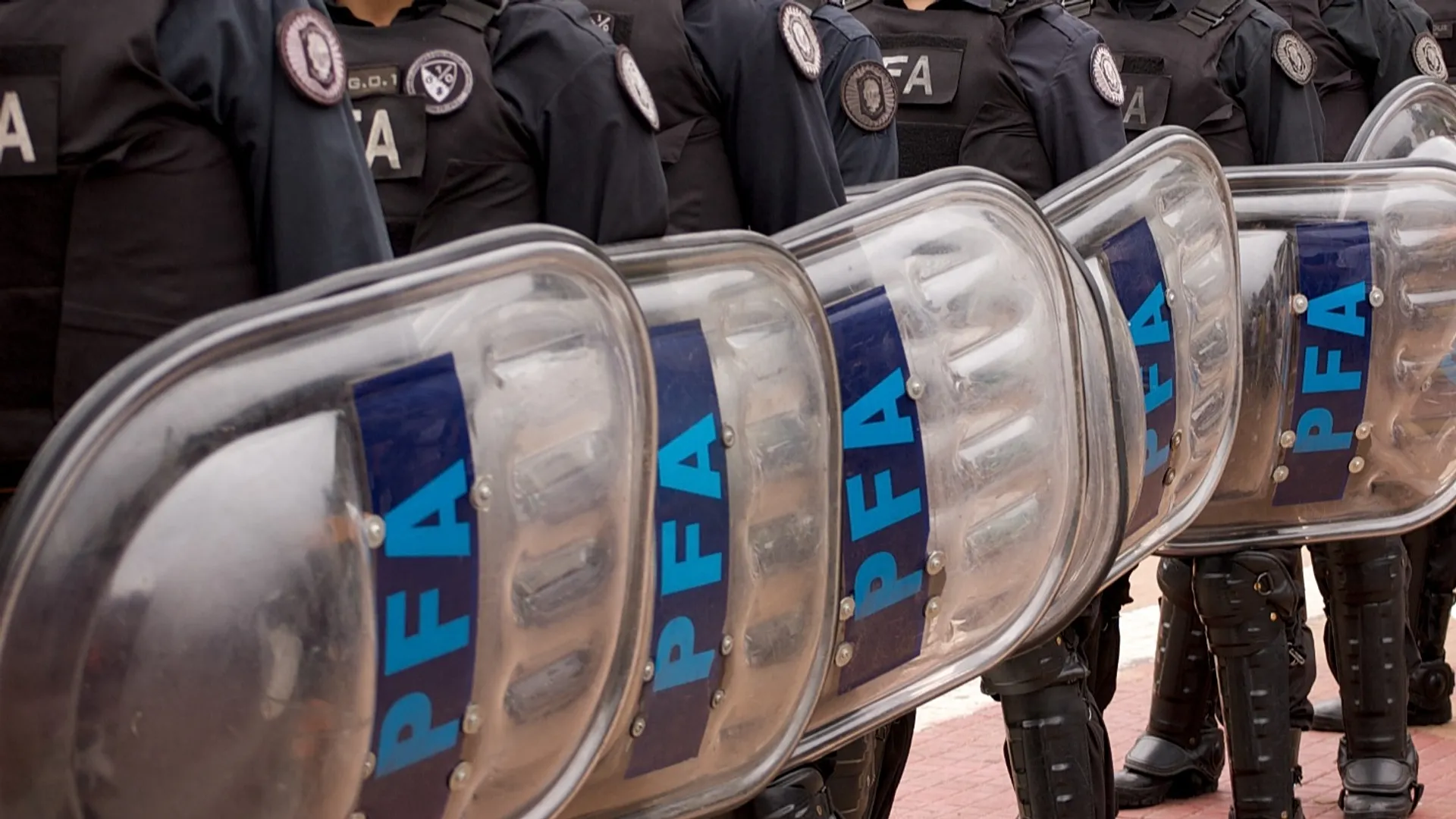
A sealed parcel rewrote the day’s security map.
Buenos Aires, February 2026.
A small package, handled like routine mail, detonated inside a training and administrative hub of Argentina’s Gendarmerie and abruptly turned an ordinary Friday into a controlled emergency. The blast injured three personnel, primarily with burns, and forced a rapid evacuation that spilled into surrounding streets near the country’s main government district. Two of the injured were taken to Hospital Argerich for treatment, while another person received oxygen assistance on site, according to early official accounts. Authorities stressed that the wounded were out of danger, but the incident injected a sharper question into the public sphere: who was the message for, and who benefits from planting it there.
The explosion occurred shortly after early afternoon, with reporting converging on a time around 13:24 local, inside the Escuela Superior de Gendarmería at Paseo Colón 533 in the San Telmo area. Emergency response unfolded in layers, first with the immediate medical call and then with a perimeter that widened as bomb specialists arrived. City firefighters, city police, federal police, and explosive ordnance teams coordinated to clear floors, secure stairwells, and control building access while an initial sweep assessed whether there were additional devices. Associated Press reported that more than 300 people were evacuated, a figure that aligns with local reporting describing the removal of staff and students from both the main building and an adjacent structure. In these incidents, the evacuation is not only about safety; it is also about evidence preservation, because every uncontrolled movement can contaminate a crime scene.
Officials later indicated that three suspicious parcels had been received at the institution and that only one detonated, while the others remained under technical analysis. That detail matters because it shifts the incident from an accident narrative to an operational one, suggesting intent, selection, and a delivery chain that must be reconstructed. EFE described the device as a package that had been received and stored for months before being manipulated, a timeline that would imply either administrative delay or deliberate concealment within normal logistics. Local reporting introduced an additional layer: the parcel may have been addressed to a retired senior officer who no longer held an active post, raising the possibility of a personal target rather than an indiscriminate attack. When time gaps and recipient status diverge across accounts, investigators typically treat them as leads, not contradictions, because both can point to motive and access.
The institutional symbolism of the target is difficult to ignore. The Escuela Superior is not a street-level outpost; it is tied to training, leadership formation, and the internal culture of a federal security force that operates across borders, infrastructure corridors, and high-risk zones. A device delivered through routine mail penetrates a specific kind of confidence, the assumption that administrative channels are neutral and safe. In Europe, past letter bomb cases have shown how small devices can achieve outsized psychological effects by exploiting the ordinary, and security agencies have learned that the delivery method is often the point as much as the blast. In the United States, federal law enforcement frameworks treat mailed explosives as a hybrid threat, part physical harm, part intimidation strategy aimed at institutions. The common pattern across regions is not scale but signaling, where the attacker seeks attention and operational credibility at low cost.
The immediate response from Argentina’s security leadership underscored the political sensitivity. Reports from local outlets stated that Security Minister Alejandra Monteoliva went to the site and then moved to the Casa Rosada area to coordinate next steps with senior government officials. The optics are deliberate: a swift ministerial presence signals state control, reassures the public, and reminds internal audiences that the chain of command is intact. Yet the same optics can raise the pressure on investigators to produce a narrative quickly, sometimes before the technical picture is complete. That is why modern counterterror protocols, including those promoted in international policing cooperation, emphasize disciplined language early on, separating confirmed facts from working hypotheses.
Judicial handling will shape the credibility of the outcome. Local reporting identified federal judicial oversight and the involvement of specialized investigative units, which typically means the case is being treated as more than a local criminal episode. The core tasks now are technical and bureaucratic at once: reconstruct the device, trace the parcel’s route, confirm procurement of components, and identify any links to previous threats or grievances. Even when the blast is limited and injuries are not fatal, the legal threshold for classification can be high because mailed explosives represent premeditation and a willingness to harm in a controlled environment. For a security institution, that is reputational damage as much as operational damage.
What remains unclear, and therefore central, is motive. If the parcel was addressed to a specific individual, the act could be rooted in personal retaliation, internal disputes, or past operational decisions that created enemies. If the institution itself was the target, the logic leans toward intimidation of the state and an attempt to demonstrate reach into protected spaces. Argentina, like many countries, carries a long memory of politically charged violence, but contemporary security incidents increasingly intersect with transnational methods, online radicalization pathways, and copycat tactics that circulate across borders. That does not mean this case is transnational, only that investigators will be forced to test for it, because the method is globally legible.
There is also a quieter dimension that policy circles often miss: the attack surface of bureaucracy. A parcel can sit, be logged, be moved between offices, and remain unquestioned if the system is trained for efficiency rather than suspicion. After similar incidents in other regions, institutions have tightened screening, introduced layered handling procedures, and pushed training that treats unexpected deliveries as risk objects, not administrative clutter. The tradeoff is friction, because every layer of scrutiny slows operations and increases cost, and security institutions are not immune to fatigue and normalization. The attacker, if calculated, bets on that normalization.
For now, Buenos Aires faces a familiar dilemma in modern security governance: communicate enough to maintain trust without prematurely shaping a narrative that later collapses under evidence. The reported presence of additional suspicious packages, even if ultimately benign, will amplify public anxiety because it suggests a broader attempt or at least a broader performance. The most credible path forward is procedural clarity, transparent updates tied to verified findings, and visible protection of both personnel and investigative integrity. In a world where small devices can produce large political aftershocks, the decisive variable is not the blast itself, but whether the state can explain it without improvisation.
Hechos que no se doblan. / Facts that do not bend.