

 Phoenix 24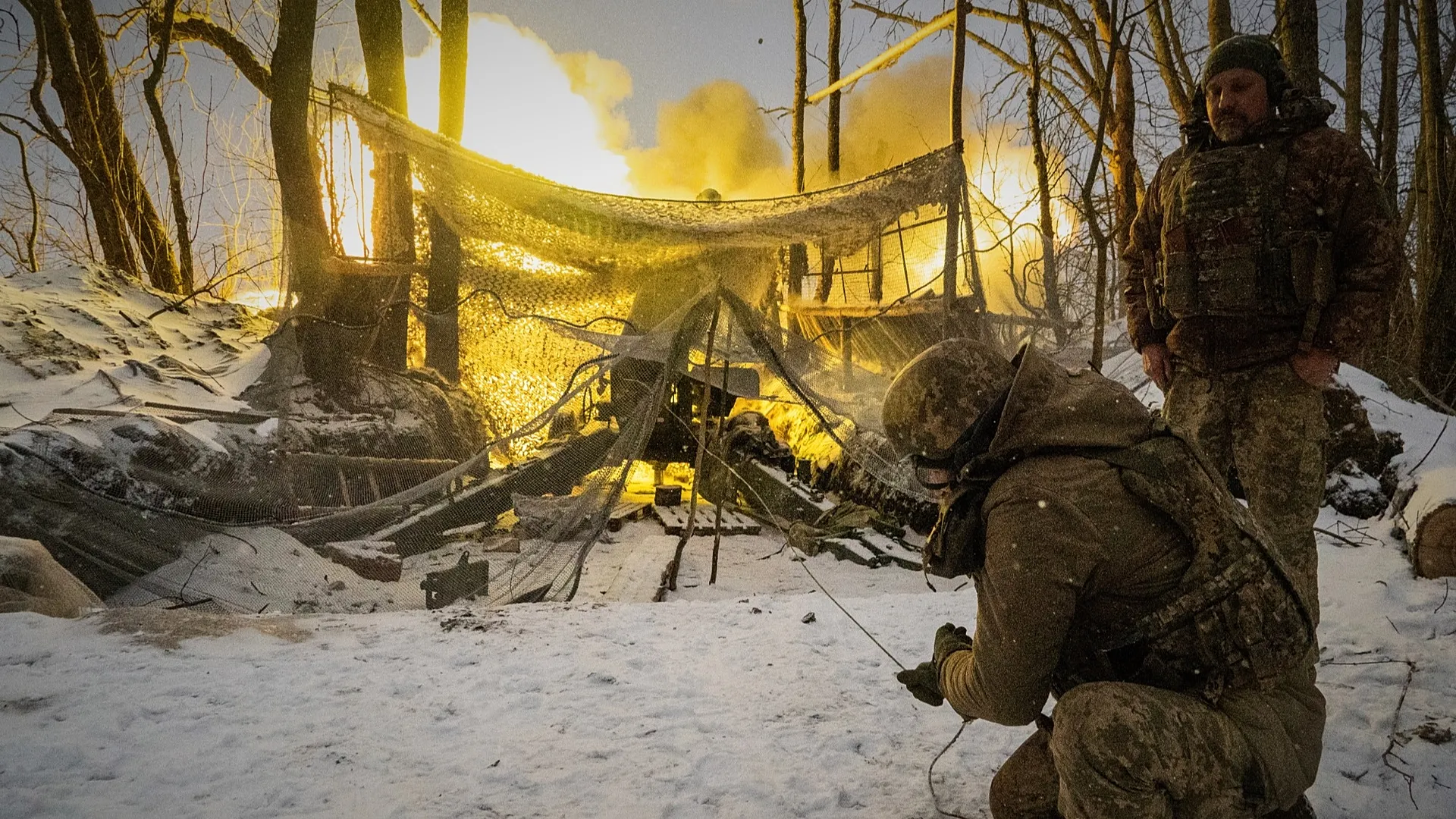
Drone warfare reshapes the grinding war of attrition.
KYIV, UKRAINE — July 2026.
The Ukrainian front line remained almost frozen throughout June as Russian forces registered only limited territorial progress after months of costly offensive operations. Battlefield data indicated a net Russian gain of approximately 30 square kilometers, concentrated primarily in the northeastern Kharkiv region. Analysts cautioned that much of the apparent advance resulted from earlier infiltrations being reclassified as confirmed Russian control after additional evidence became available. The figures reinforce a broader trend showing that Moscow’s ability to capture and retain Ukrainian territory has declined significantly since the end of 2025.
Ukrainian forces simultaneously recovered territory in two strategically important areas, gaining an estimated 11 square kilometers in the southern Zaporizhzhia region and 18 square kilometers in Dnipropetrovsk. The precise scale and military purpose of these counterattacks remain uncertain because fighting continues and independently verified information from frontline positions is limited. Future mapping revisions may determine whether the movements represent durable territorial recovery, temporary tactical penetrations or shifts inside contested zones. Even so, the advances demonstrate that Ukraine retains the capacity to challenge Russian positions rather than operating exclusively from a defensive posture.
Russia lost approximately 403 square kilometers during April and May, reversing portions of the gains accumulated during earlier phases of its campaign. April became the first month in roughly two and a half years when Russian forces surrendered more territory than they captured, while Ukraine consolidated several of those positions during May. Russian forces have advanced by an average of only about 15 square kilometers per month during 2026, compared with approximately 405 square kilometers per month in 2025. This dramatic reduction suggests that manpower advantages and persistent attacks are no longer producing the territorial returns achieved during the previous year.
The growing effectiveness of Ukrainian drones has been identified as one of the main factors slowing Russian operations across the battlefield. Short-range systems monitor movements near the front, while medium-range drones target command posts, supply vehicles, ammunition storage areas and reinforcement routes behind Russian positions. This layered surveillance and strike capability makes it increasingly difficult for large formations to assemble or move without being detected and attacked. Russian troops can still advance through small assault groups and infiltration tactics, but those methods normally produce limited gains at extremely high human and material cost.
The conflict has evolved into a technologically intensive war of attrition in which control of supply routes can matter as much as possession of individual settlements. Both armies operate inside heavily monitored zones where drones, electronic warfare systems, mines and artillery create persistent danger for soldiers and vehicles. Ukraine has adapted by targeting Russian logistics before equipment and personnel reach the forward line, attempting to weaken attacks before direct combat begins. Russia continues applying pressure across several sectors, but its forces increasingly struggle to convert local penetrations into wider operational breakthroughs.
Moscow currently occupies slightly more than 19 percent of Ukrainian territory, including Crimea and portions of the Donbas already controlled before the full-scale invasion began in February 2022. Most of Russia’s largest territorial gains occurred during the opening weeks of the invasion, when its forces advanced rapidly before Ukrainian resistance stabilized the battlefield. Since then, the war has become slower, more destructive and increasingly dependent on artillery, drones, fortifications and the ability to replace exhausted personnel. The limited movement recorded in June does not mean the conflict has become less violent, because intense fighting can continue even when the front line changes only marginally.
A recent United States research assessment estimated that the war has produced more than two million military casualties, with Russian forces suffering the larger share of the losses. Exact casualty totals remain difficult to verify because both governments restrict information, classify military data and challenge estimates released by outside organizations. Nevertheless, the continuing scale of recruitment, medical evacuation and equipment replacement indicates that both countries are sustaining extraordinary pressure. Russia’s willingness to accept heavy losses has allowed it to continue attacking, but the increasingly modest territorial results raise questions about the long-term efficiency of that strategy.
The stalled front does not eliminate the possibility of future Russian advances because Moscow still possesses substantial manpower, artillery and industrial capacity. Ukraine also faces serious constraints involving personnel, ammunition, air defense and the continuing reliability of international military assistance. A breakthrough could still occur if either side weakens a critical sector, disrupts enemy logistics or concentrates sufficient resources to overwhelm local defenses. June’s figures should therefore be interpreted as evidence of reduced Russian momentum rather than proof that the strategic balance has permanently shifted.
The emerging battlefield pattern gives Ukraine additional time to strengthen defensive lines, expand drone production and improve its ability to strike Russian logistics at greater distances. For Russia, the slowdown increases the cost of maintaining continuous offensive pressure without securing gains capable of changing the broader direction of the war. Territorial maps may appear static, but beneath them both armies are competing through technology, industrial production, recruitment and attacks far beyond the immediate front. The outcome will depend increasingly on which side can sustain that competition while preserving enough combat power to exploit any future weakness.
Phoenix24 — Global news with clarity and perspective.