

 Phoenix 24
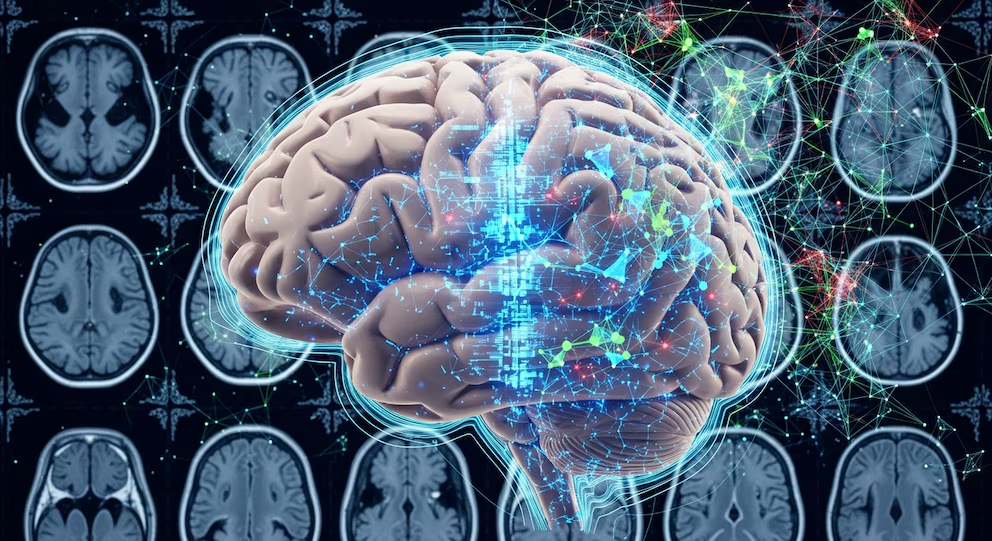
Productivity is now a cognitive battlefield.
Geneva, February 2026.
The idea that “brain health” belongs to wellness culture is collapsing under a colder argument: it belongs to macroeconomics. A joint report by the McKinsey Health Institute and the World Economic Forum reframes the brain as productive infrastructure, not a private concern, and it does so with numbers designed for finance ministries. In that framing, brain capital means two things at once, the baseline health of the brain and the set of advanced skills that modern economies reward, from analytical thinking to emotional regulation. When an institution like the OECD starts treating these capabilities as competitiveness variables, the conversation stops being moral and starts being strategic.
The report’s headline claim is intentionally audacious: stronger brain capital could add up to 6.2 trillion dollars in cumulative global GDP by 2050 if proven interventions are scaled. That is not presented as a miracle of technology, but as an effect of prevention, early treatment, and skill formation across the life course, especially as AI reshapes tasks and labor demand. The subtext is blunt: if countries fail to strengthen human capacities, AI adoption will not automatically raise growth, it may simply expose cognitive fragility at scale. The “human advantage” becomes a comparative advantage only when societies invest in it like they invest in energy grids or transport corridors.
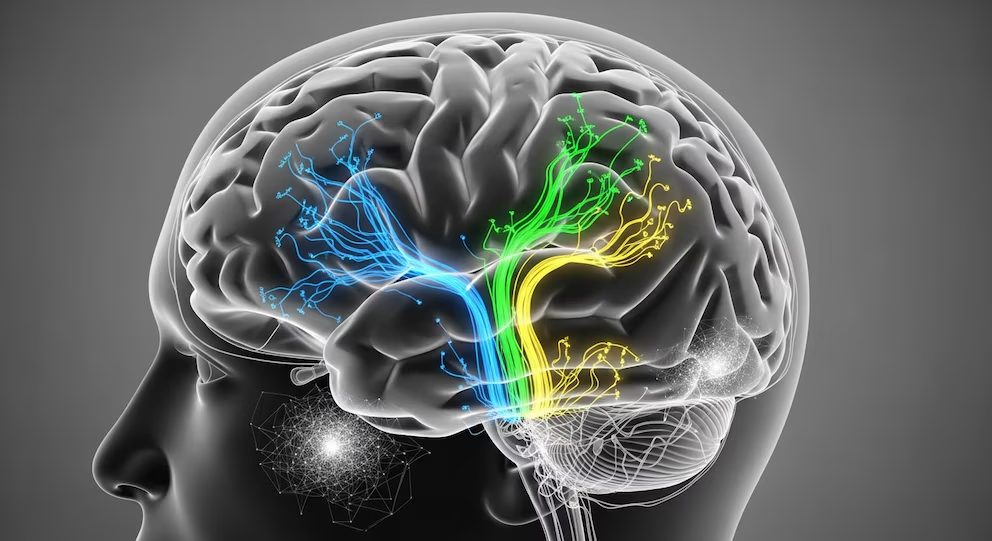
One reason the argument lands is that the burden is already large and still rising, particularly in mental, neurological, and substance related conditions. The report notes that brain related conditions are projected to account for roughly 24 percent of the global burden of disease in 2025, a share driven by aging, stressors, and unequal access to care. That statistic matters because it turns brain health into a systemic risk factor, not a niche clinical domain. In finance language, you could describe it as a slow moving shock with compounding interest.
The economic damage does not arrive only through hospital costs, it arrives through attention loss, poor sleep, chronic stress, depression, addiction, and the erosion of learning capacity. Employers see it as absenteeism, presenteeism, and turnover, while governments see it as reduced labor participation and lower tax base resilience. The report argues that extending effective prevention and treatment could avert up to 267 million disability adjusted life years before 2050, which is an attempt to quantify human suffering in the unit that public health uses to justify investment. You do not need to accept every projection to accept the structural message: ignored cognitive decline becomes a drag on growth that no digital transformation can fully offset.

The most revealing section is the one that links brain health to the acquisition of brain skills, because it breaks the false divide between therapy and education. Skills like creativity, analytical reasoning, flexibility, and emotional management are described as labor market assets, yet they are harder to build when stress is chronic, sleep is poor, and community ties are thin. That linkage is critical in the age of AI, because automation rewards workers who can learn, adapt, and collaborate with systems that change quickly. If the workforce is cognitively depleted, the promised productivity dividend of AI can convert into inequality, resentment, and political volatility.
The report’s prescription is broad, but it can be summarized without slogans: protect brain health across life stages, redesign education and work so brain skills are deliberately developed, and build measurement systems that treat brain capital as a tracked national asset. It also pushes a financing logic, mobilizing public, private, and philanthropic capital through blended models, impact style instruments, and risk sharing mechanisms that make prevention bankable. A practical example is the rise of “brain capital dashboards” and experiments with national accounting add ons that make cognitive capacity visible to policy, not just to clinicians. Once measurement exists, pressure follows, because what is measured becomes defensible in budgets and negotiations.
A key warning sits behind the optimism: access is radically unequal, and the global South carries a disproportionate gap in services and early intervention capacity. The report notes that more than 75 percent of people with mental, neurological, or substance related disorders do not receive adequate care in lower income settings, which turns under treatment into both a health injustice and a growth limiter. This is where the multi regional architecture matters, because actors like the United Nations, the G20, and development banks can treat brain capital as part of economic resilience, not an optional social policy. Africa’s emerging brain health initiatives, Europe’s push to formalize “brain economy” frameworks, and Asia’s long standing emphasis on skills formation all point to the same direction, brain capital is becoming a policy domain with geopolitical consequences.
The deeper pattern is that the brain economy narrative is arriving at the same time that AI is compressing the value of routine cognitive work. In that environment, societies are tempted to chase AI tools while neglecting the human substrate that makes those tools useful, trustworthy, and socially absorbable. The report is effectively saying that the next decade will reward countries and firms that build cognitive resilience, mental health capacity, and learning velocity as a unified system. If that sounds like soft language, the implications are hard: productivity, legitimacy, and social cohesion will increasingly depend on whether institutions treat the brain as national infrastructure.
Beyond the news, the pattern.
Más allá de la noticia, el patrón.