

 Phoenix 24
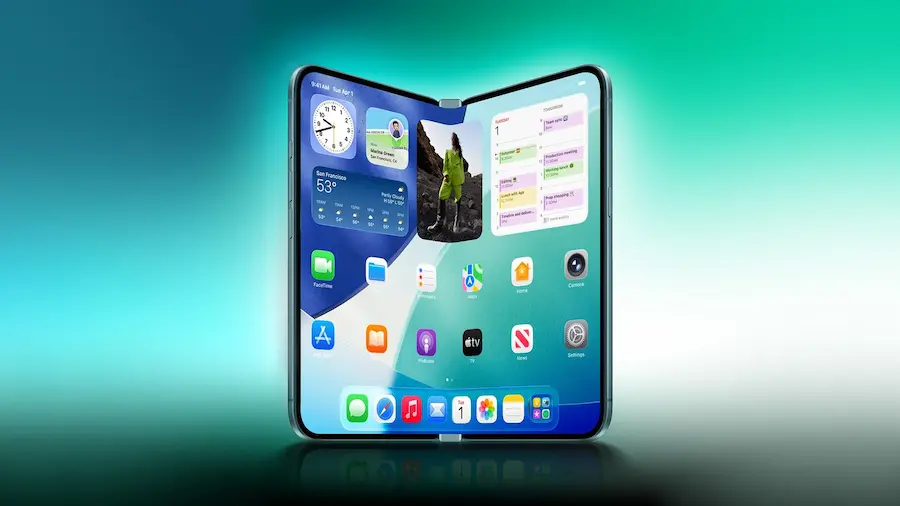
The battle for photographic supremacy in mobile devices is shaping up to be the defining contest of 2026.
Cupertino, California, January 31, 2026. As Apple prepares to unveil its next generation of premium smartphones later this year, leaks and industry reports are revealing what could be a dramatic divergence in camera systems between the iPhone 18 Pro and the company’s first foldable iPhone, informally referred to as the iPhone Fold. According to multiple sources following the company’s supply chain and product strategy for 2026, Apple’s high end models are positioning themselves to deliver significant advantages in photography performance that may influence not just consumer preferences but the broader direction of smartphone imaging.
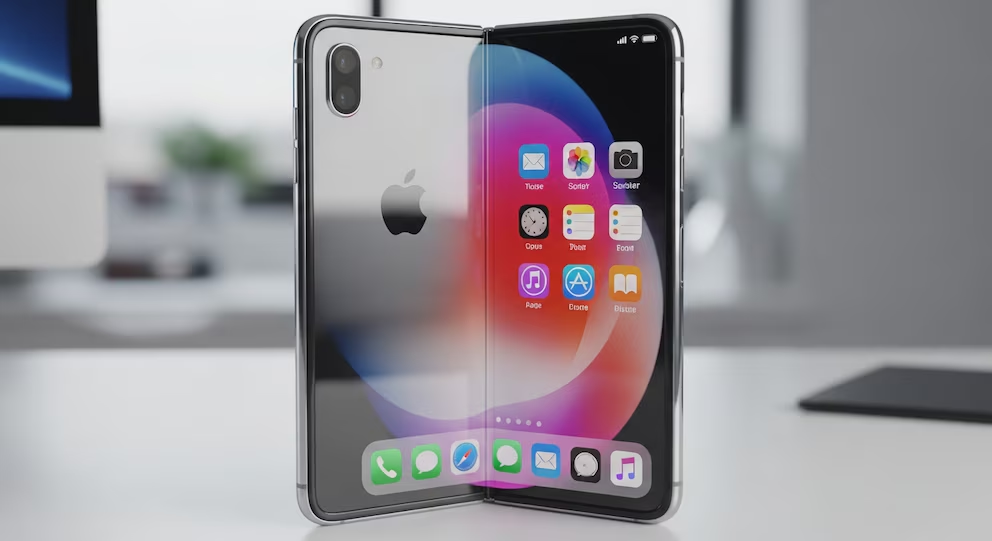
The upcoming iPhone 18 Pro is expected to maintain Apple’s emphasis on professional-level cameras, building on a lineage that in recent years has pushed the boundaries of mobile photography. Rumors indicate that the Pro model will feature a main camera system equipped with a variable aperture lens, a technology that allows the physical aperture to change in response to lighting conditions, enabling improved exposure control, deeper depth of field effects and more consistent performance in challenging environments where traditional fixed apertures struggle. This represents a departure from conventional smartphone optics and a push toward capabilities often found in dedicated cameras rather than integrated mobile modules. Analysts tracking these developments believe that this move could deliver more natural bokeh and enhanced low light results, although the final specifications remain unconfirmed as Apple typically withholds official details until launch.
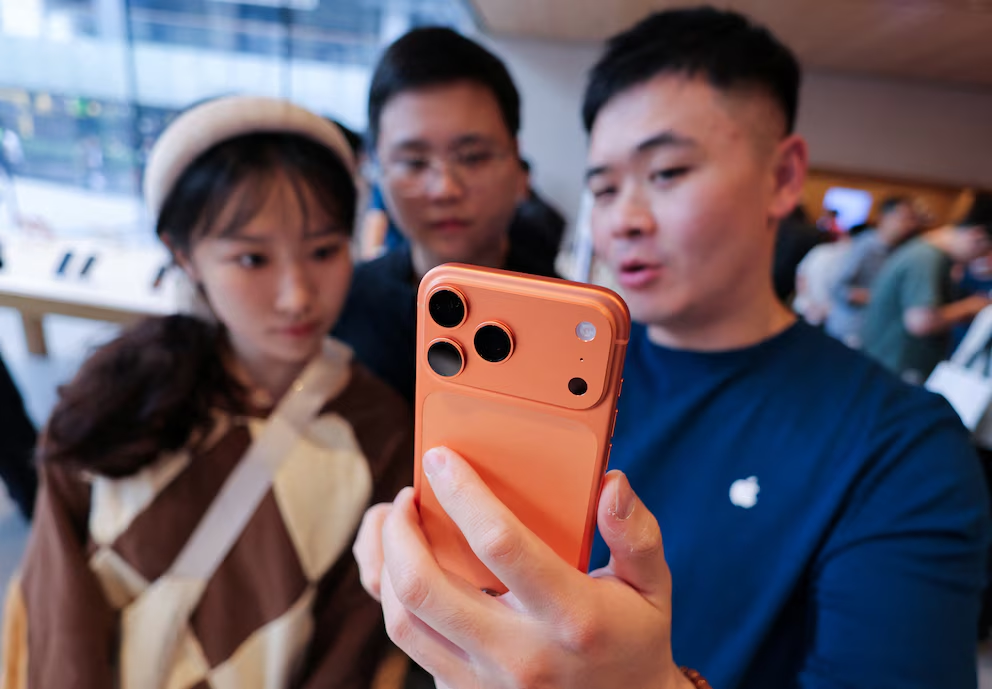
In contrast, the foldable device appears to take a different approach to its camera suite. Early industry leaks suggest that the iPhone Fold will adopt a dual 48 megapixel camera configuration for both its principal and ultra-wide lenses, potentially accompanied by separate front facing sensors for the internal and external displays. This arrangement, if accurate, would emphasize versatility and high resolution across multiple photographic scenarios, particularly when the device is folded or unfolded. The inclusion of two front cameras would aim to provide consistent imaging quality regardless of whether the user is interacting with the outer or inner screen, a design consideration unique to foldable form factors that must account for multiple usage modes.
While both devices are expected to incorporate advanced image sensors and computational photography techniques, the distinction in camera design may reflect Apple’s broader strategy for differentiating its product lineup. The iPhone 18 Pro’s emphasis on variable aperture and potential enhancements to optical zoom modules could appeal to users seeking the most refined and flexible imaging experience possible. The foldable model, with its dual cameras tailored for different orientations and use cases, may instead target those who value adaptability and immersive formats enabled by its larger display surface.
Beyond the hardware differences, industry observers point to Apple’s continued focus on integrating artificial intelligence into photographic workflows. Recent operating systems and camera software enhancements are said to leverage machine learning for improved scene recognition, noise reduction and motion prediction, enabling devices to capture better images with less user input. These computational elements are becoming increasingly important as hardware approaches the physical limits of miniaturized optics. Apple’s ongoing investment in this space suggests that the synergy between sensor technology and software intelligence will be a defining feature of its 2026 smartphone portfolio.
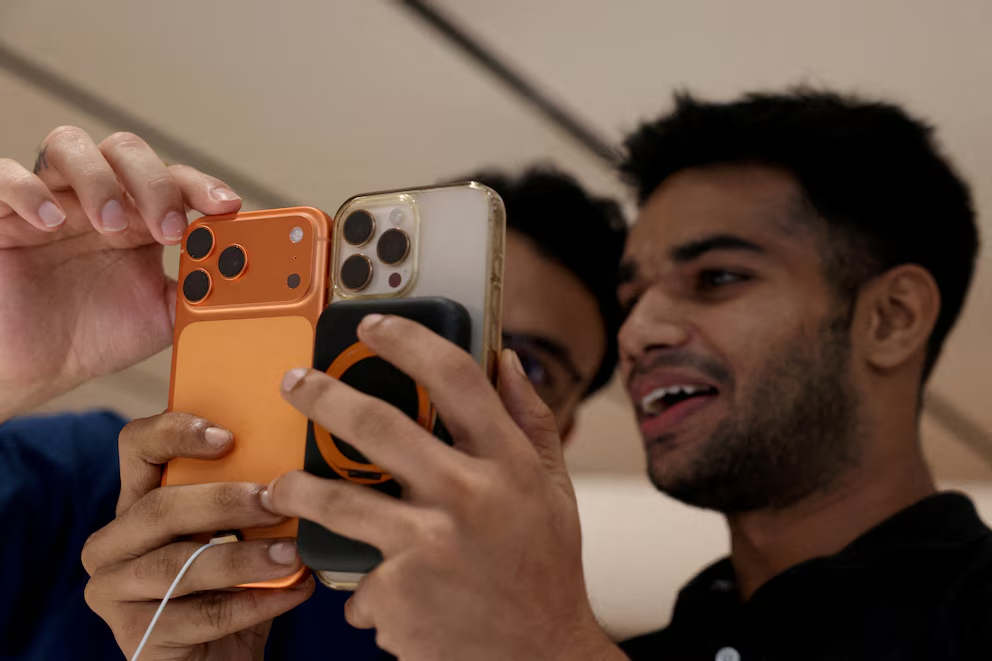
The impending release schedule, anticipated to center around a fall launch for the Pro and foldable models, marks one of the most ambitious camera-focused rollouts in Apple’s history. This year’s lineup is expected to reflect not just iterative improvements but a more pronounced divergence in engineering priorities, with the Pro variant pursuing precision and optical excellence and the foldable variant leveraging form factor flexibility to broaden the scope of photographic possibilities.
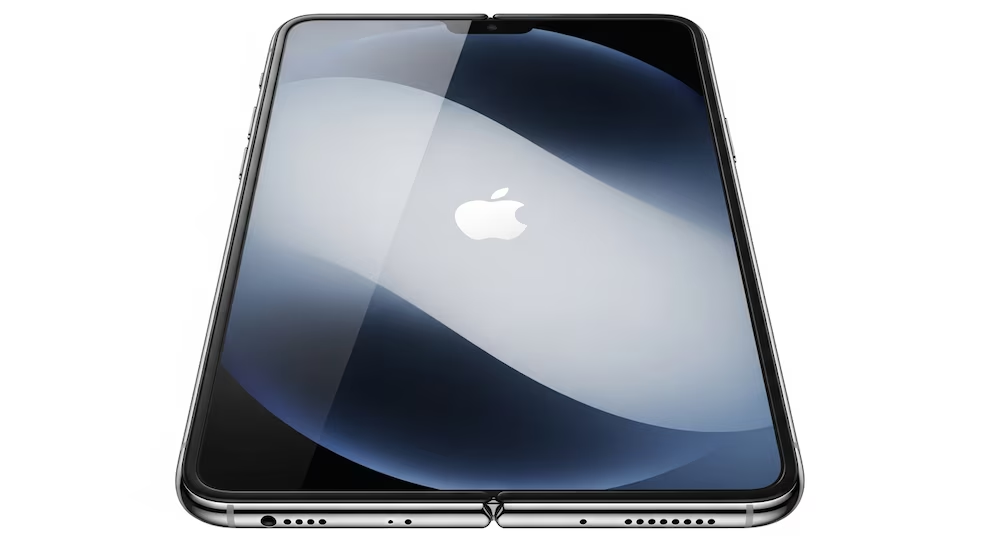
If these trends hold true through to commercial release, the implications for mobile photography could be far reaching. The move toward aperture-modulating lenses in a mainstream smartphone could push competitors to innovate in similar directions, while the integration of high resolution multi camera systems in foldable formats may accelerate the mainstream acceptance of devices that until now have remained a niche category. Either way, the next generation of Apple devices is poised to influence consumer expectations around what cameras in smartphones can achieve.
Behind every data point, there is an intention. Behind every silence, a structure.