

 Phoenix 24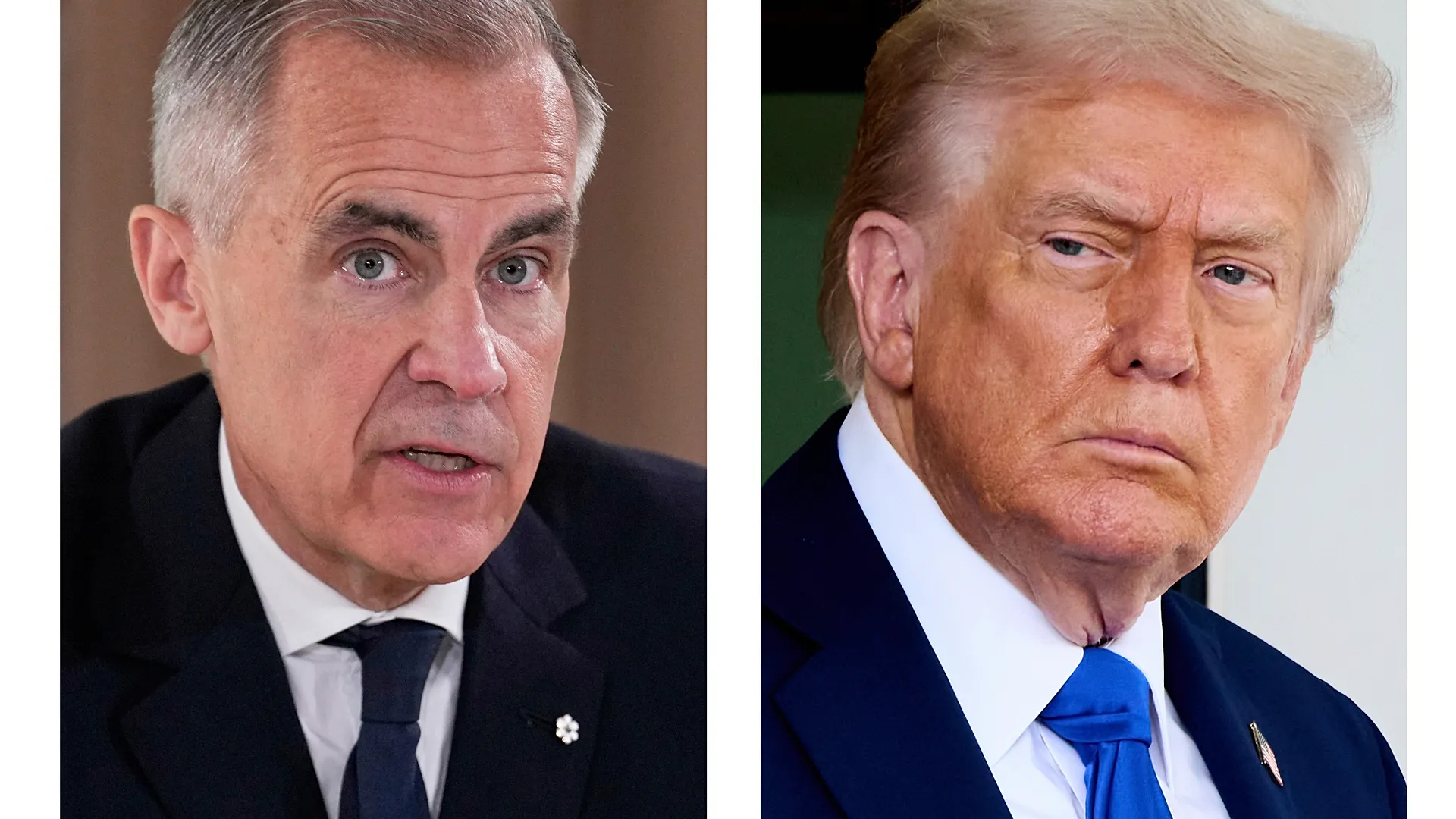
In the midst of rising trade tensions, Ottawa’s refusal to pursue a China free trade pact highlights the complex balancing act facing middle powers in the global economy.
Ottawa, January 26, 2026. Canadian Prime Minister Mark Carney made a clear statement that Canada does not intend to sign a comprehensive free trade agreement with China, pushing back against repeated threats from Donald Trump to levy punitive tariffs on Canadian exports if Ottawa were to move forward with such a deal. Carney’s remarks came amid heightened trade tensions between Canada and the United States, where Trump has publicly warned he could impose tariffs as high as 100 percent on Canadian goods if a Canada-China pact were to be negotiated, a move that would have serious implications for integrated North American supply chains and economic cooperation.
Carney explained that Canada’s trade engagement with China remains limited to specific tariff adjustments and sectoral agreements designed to address practical trade issues, rather than the creation of a broad preferential trade regime. He emphasised that these limited measures, including efforts to adjust tariffs on electric vehicles and agricultural products, are consistent with Canada’s obligations under the United States-Mexico-Canada Agreement, which sets rules for how member countries can pursue additional trade arrangements. Under the terms of that agreement Ottawa is obligated to notify its partners and respect the framework’s restrictions on pursuing broad new free trade deals with economies not recognised as qualifying market economies without due process.
The prime minister’s remarks came after a wave of criticism and tariff threats from Trump, who has taken an increasingly confrontational stance on trade matters since returning to the political spotlight. Trump’s comments have not only targeted Canada’s limited tariff adjustments with China, but also broader questions about Canada’s economic alignment and strategic choices in a shifting global landscape. Trump has framed any liberalisation of trade with China as a potential threat to U.S. economic interests, arguing publicly that an expanded Canada-China trade relationship could allow Chinese goods to enter the U.S. market indirectly. These assertions have been echoed by senior U.S. officials and have fuelled speculation about the future direction of Canada-U.S. economic relations, especially in light of the upcoming review of the continental trade pact.
Carney sought to downplay the tariff threats as part of standard negotiation positioning and reiterated that Canada fully intends to honour its commitments under the United States-Mexico-Canada Agreement, which remains central to North American economic integration. Canadian officials have framed their approach as pragmatic, asserting that targeted adjustments with China are aimed at improving market access and addressing specific trade frictions, not at establishing the kind of sweeping free trade arrangements that would trigger punitive responses. The government has emphasised that such targeted measures are designed to benefit Canadian producers and consumers while respecting the broader framework of multilateral and regional trade commitments.
The dispute also reflects Canada’s broader efforts to diversify its trade relationships in an era of geopolitical competition and shifting economic alliances. While the United States remains Canada’s largest trading partner by far, Canadian policymakers have pursued expanded engagement with a range of economies, including China and India, in an effort to reduce reliance on any single market and to capture growth opportunities in emerging sectors. This diversification strategy has generated both support and criticism, with some voices warning that it could complicate relations with traditional partners, and others arguing that it enhances Canada’s economic resilience in an unpredictable global environment.
Carney’s recent speech at an international forum underscored his view that middle powers like Canada must work together with like-minded partners to resist economic coercion and to strengthen a rules-based global order, a message that sits uneasily with the more unilateral rhetoric of his U.S. counterpart. In defending Canada’s trade strategy, he also invoked the country’s historical role as a reliable partner and its longstanding contributions to shared security and prosperity, while rejecting the notion that Ottawa’s decisions represent disloyalty to North American cooperation.
The clash over trade policy highlights the broader challenges of managing strategic economic relations in a world marked by great-power competition. Canada’s refusal to pursue a formal free trade agreement with China serves as both a response to external pressure and a reaffirmation of its commitment to established trade frameworks, a stance that seeks to balance national interests with obligations to partners. The episode has drawn commentary from analysts who see it as an example of how mid-sized economies navigate the competing demands of geopolitical alignment, economic opportunity and domestic political considerations.
Observers note that future developments will hinge not only on the outcome of this year’s review of the continental trade pact, but also on how global powers adjust their approaches to cooperation and competition in a multipolar economy. Trade diplomacy, market access negotiations and regulatory alignment will continue to shape Canada’s external economic relations as the country seeks to maintain both autonomy and engagement within broader international systems.
Behind every expressed position, there is a strategy of jurisdiction, structure and influence shaping how nations define their roles in the global order.