

 Phoenix 24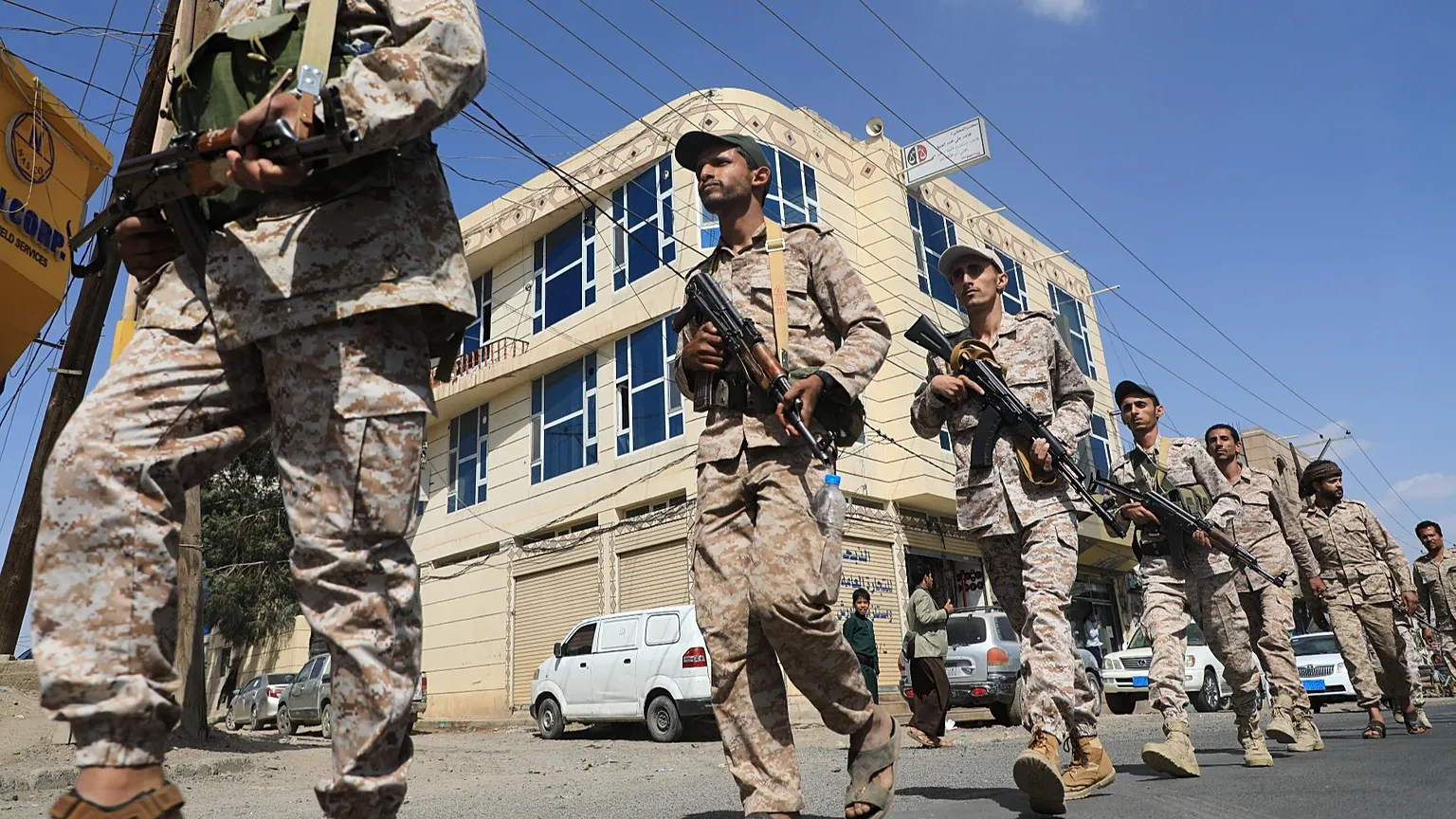
Washington avoids escalation while Saudi Arabia faces continued attacks.
Sanaa, Yemen.
Yemen’s Houthi movement has assured the United States that American vessels will not be targeted in the Red Sea, following reports that President Donald Trump cancelled planned military strikes against the Iran-backed group at the last moment. The announcement came on September 21 as Houthi forces continued advancing along Yemen’s western coast toward the strategically important Bab el-Mandeb Strait. Mohamed al-Bukhaiti, a senior member of the movement’s political bureau, confirmed that Washington had contacted the group following its recent territorial advances. His statements establish a distinction between the Houthis’ declared intention to avoid confrontation with the United States and their continuing military campaign against Saudi Arabia.
According to reporting by Euronews and the Associated Press, the Houthis reaffirmed that they would not attack American vessels or ships belonging to other countries, with the exception of Saudi Arabia. Al-Bukhaiti warned that countries joining Saudi military operations could become targets, while maintaining that the movement remained open to negotiations under specific conditions. He demanded an end to Saudi restrictions affecting Houthi-controlled areas and unrestricted access to the Red Sea ports under the group’s control. The declarations represent the Houthis’ stated position rather than a comprehensive maritime security agreement.
Trump’s decision followed renewed requests for American military assistance from Saudi Crown Prince Mohammed bin Salman. According to Axios, the president considered launching strikes against Houthi positions over the weekend but ultimately decided against the operation. American officials reportedly expressed concern that direct intervention could trigger a wider conflict and further disrupt commercial navigation. The White House has not publicly detailed the operational decisions preceding the cancellation.
The diplomatic contacts also revive an earlier understanding negotiated through Oman in 2025, under which the Houthis agreed to stop attacking American vessels in exchange for an end to US airstrikes. Recent discussions in Muscat reportedly reaffirmed that arrangement without resolving the confrontation between the Houthis and Saudi Arabia. Washington’s decision not to launch additional strikes does not therefore establish a regional ceasefire. Saudi-Houthi hostilities remain active, and the movement has indicated that its attacks will continue until its demands are addressed.
The geographical implications are substantial. Bab el-Mandeb connects the Red Sea with the Gulf of Aden and constitutes an essential passage for international commerce and energy transportation. Houthi advances along Yemen’s western coastline have increased concerns about the security of commercial shipping, particularly as disruptions affecting the Strait of Hormuz already complicate global energy markets. Further instability could create additional challenges for shipping operators, insurers and energy importers.
The humanitarian consequences extend beyond maritime security. Recent fighting has killed hundreds of people and displaced more than 110,000, according to figures reported by international humanitarian agencies. Continued military operations threaten to worsen conditions for communities already affected by years of conflict and restrictions on essential supplies.
The latest developments reveal a limited diplomatic accommodation between Washington and the Houthis alongside an unresolved regional confrontation. American vessels have received an assurance of protection, but Saudi shipping remains exposed to threats, and the broader conflict continues.
Geopolítica, sin maquillaje. / Geopolitics, unmasked.