

 Phoenix 24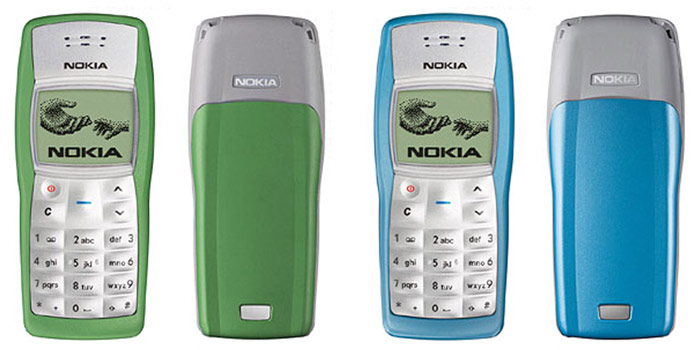
At a time when mobile technology was still defining its purpose, one device succeeded by doing less and doing it better than anyone else.
Released in 2003, the Nokia 1100 emerged during a transitional moment in global telecommunications, when mobile phones were shifting from luxury items into everyday tools. Its rise was not driven by innovation in multimedia or connectivity, but by an almost counterintuitive strategy focused on reliability, durability, and accessibility. While competitors experimented with early color screens and rudimentary mobile internet, the Nokia 1100 concentrated on the fundamentals of communication, aligning perfectly with the needs of a rapidly expanding global user base.
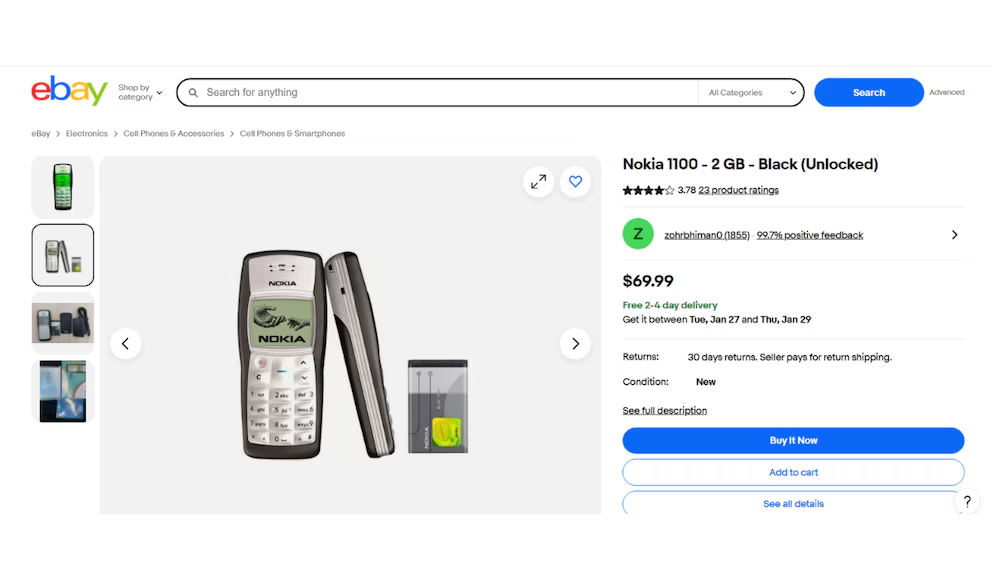
The device was engineered with resilience as a core principle. Its casing was designed to resist dust, humidity, and physical impact, characteristics that made it particularly suitable for harsh environments and high-frequency use. The rubberized keypad provided grip and durability, allowing users to operate the phone even with wet or dirty hands. This attention to physical robustness was not accidental; it reflected an understanding that for millions of users, especially in emerging markets, a mobile phone was not a disposable gadget but a long-term personal asset.
Battery life was another decisive factor in the phone’s success. The Nokia 1100 could remain operational for several days on a single charge, a feature that fundamentally shaped user behavior. In regions with limited access to reliable electricity, long battery endurance was not a convenience but a necessity. This capability allowed the device to function as a dependable communication tool in rural areas, small towns, and developing urban centers, where charging infrastructure lagged behind mobile adoption.
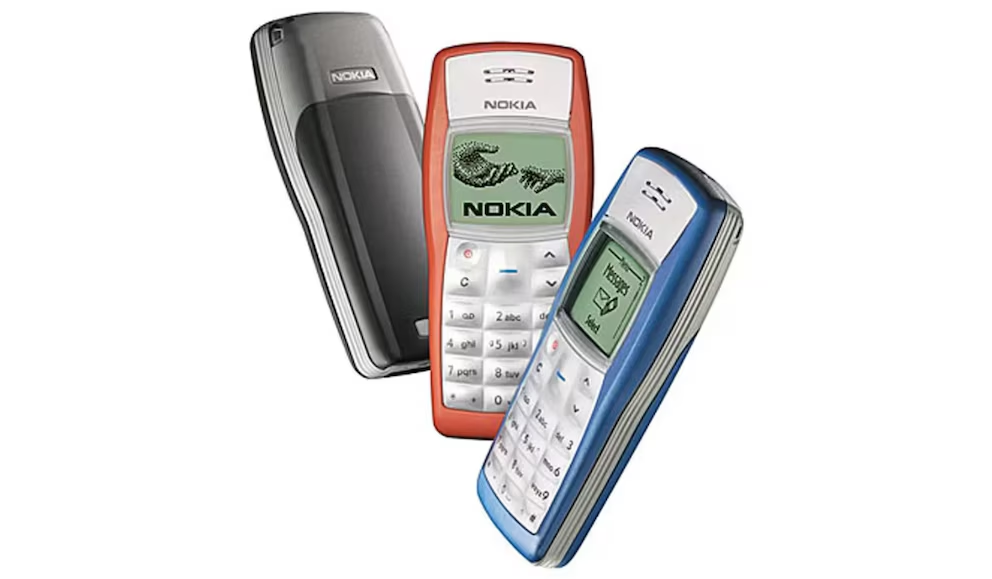
The phone’s functionality was deliberately minimal. It supported voice calls and text messages, accompanied by a monochrome display that prioritized readability over visual appeal. This simplicity reduced manufacturing costs and minimized technical failures, while also lowering the learning curve for first-time users. For many people, the Nokia 1100 represented their first personal connection to a mobile network, making it an entry point into digital communication rather than a symbol of technological status.
Cultural factors also played a significant role in the phone’s global resonance. Preinstalled games such as Snake became shared experiences across generations and geographies, transforming a basic communication tool into a source of entertainment and familiarity. The inclusion of a built-in flashlight, seemingly trivial, addressed practical needs in low-light environments and reinforced the phone’s reputation as a utilitarian companion rather than a fragile electronic device.
Affordability was central to the model’s widespread adoption. The Nokia 1100 was priced within reach of consumers who had previously been excluded from mobile ownership. This pricing strategy enabled deep market penetration in Asia, Africa, Latin America, and parts of Eastern Europe, where demand for reliable communication vastly exceeded interest in advanced features. By focusing on scale rather than margin, Nokia established a dominant presence in global handset markets during the early 2000s.
The timing of the phone’s release amplified its impact. Mobile networks were expanding rapidly, prepaid plans were becoming more common, and regulatory environments were opening to competition. The Nokia 1100 arrived precisely when millions of users were ready to adopt mobile communication but required devices that matched their economic and infrastructural realities. Its success was not merely technological but systemic, integrating seamlessly into broader social and economic transformations.
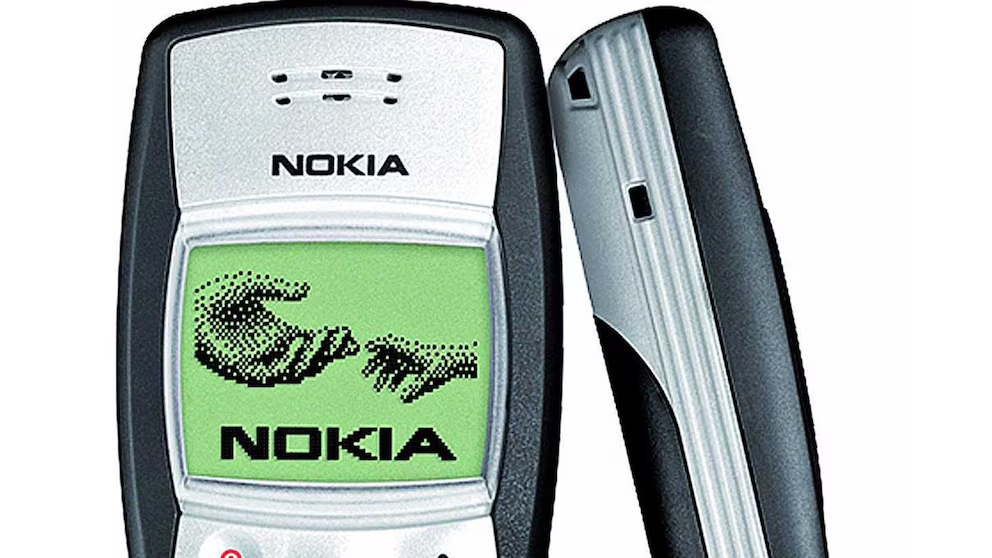
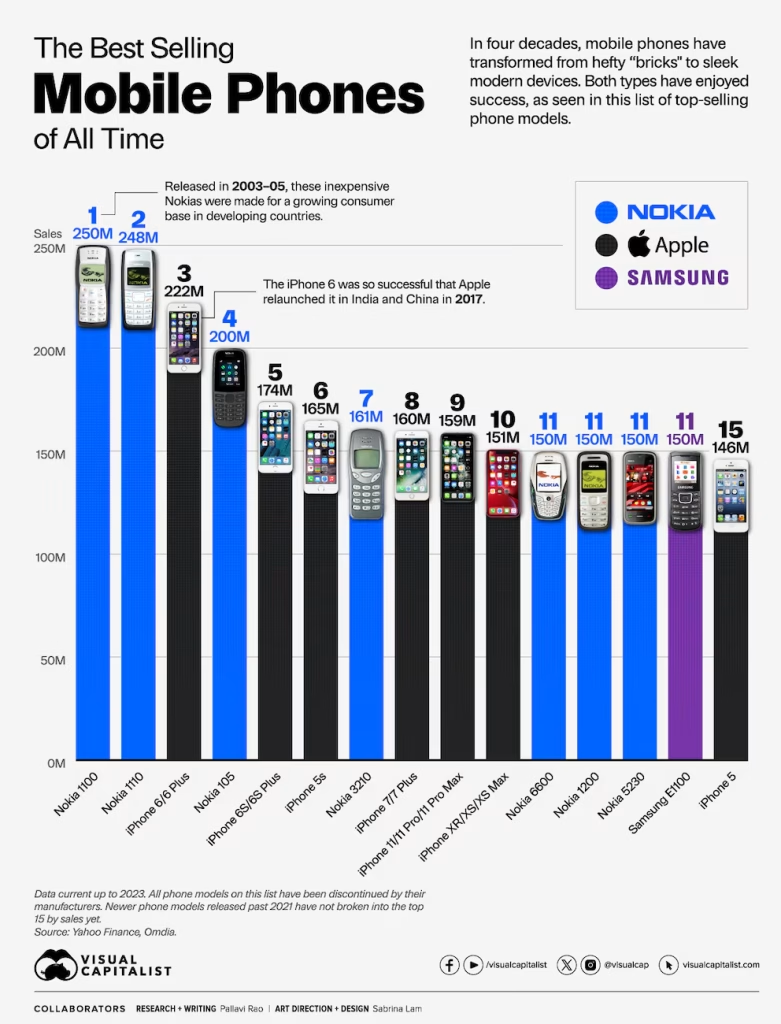
By the end of its production cycle, the Nokia 1100 had sold more than 250 million units worldwide, making it one of the best-selling consumer electronics devices in history. Its dominance was not challenged until the smartphone era redefined user expectations around connectivity, applications, and digital ecosystems. Even then, the legacy of the 1100 persisted as a reference point for what mass-market technology could achieve when aligned with real human needs.
The story of the Nokia 1100 illustrates a broader lesson in technological history. Innovation does not always mean adding complexity or chasing novelty. In many cases, enduring success comes from understanding context, constraints, and everyday use. The phone’s global reach was built on trust, reliability, and functional clarity, values that remain relevant even in today’s hyperconnected digital landscape.
Behind every iconic device, there is not just engineering, but a structural understanding of society at the moment it needs to connect.