

 Phoenix 24
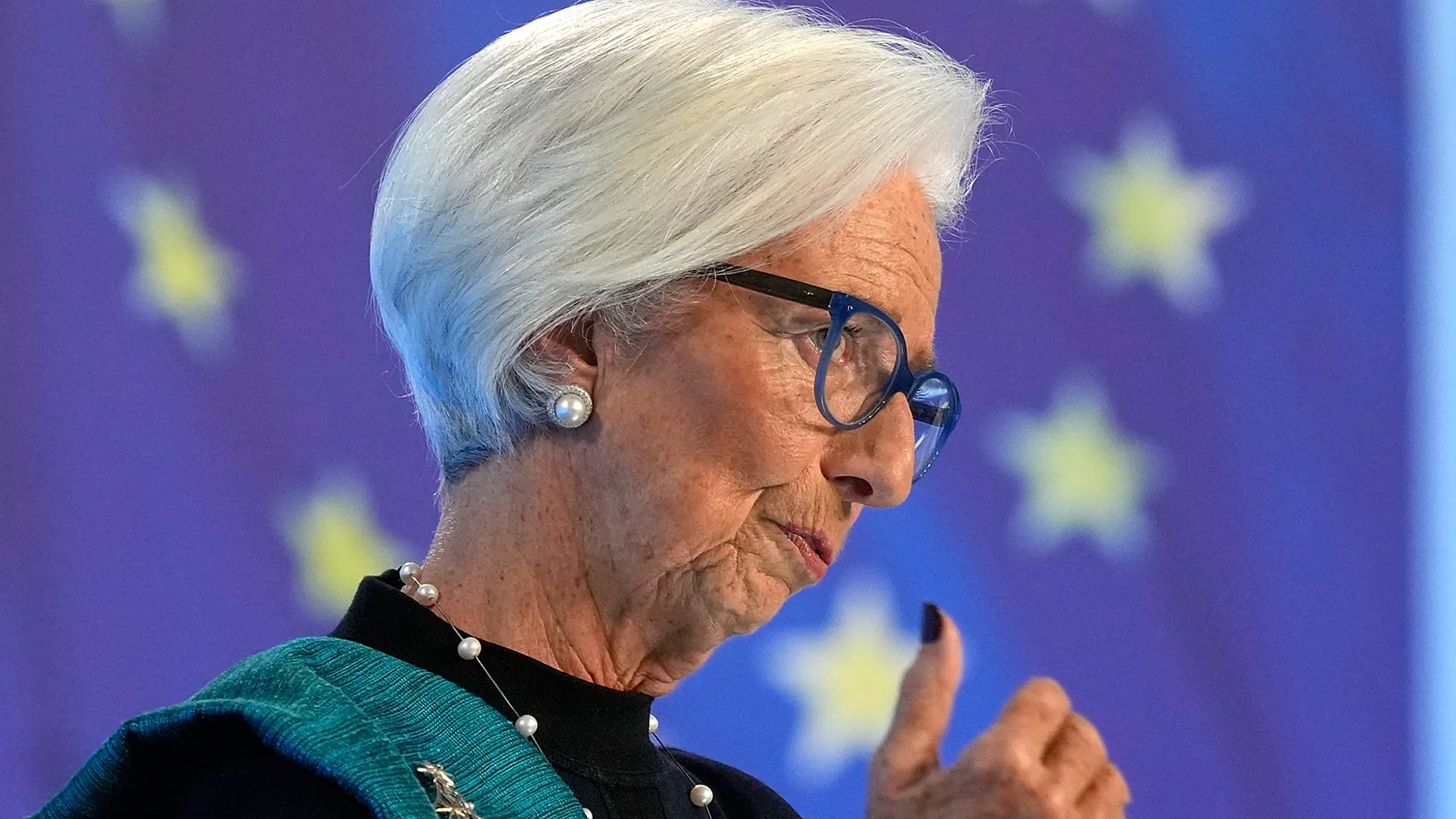
When stability depends on forces beneath the surface.
Brussels, January 2026.
Economic projections across Europe indicate that inflation could rebound unexpectedly in 2026 after a period of apparent moderation. For much of the previous two years, easing energy prices and improved supply conditions contributed to declining headline inflation. This trend encouraged cautious optimism among policymakers and markets. However, emerging signals suggest that underlying pressures have not fully dissipated. The prospect of renewed inflation exposes structural vulnerabilities within the eurozone economy.
At the center of the debate lies the challenge facing monetary authorities tasked with maintaining price stability. Central banks have relied on restrictive policy to anchor expectations and prevent persistent inflation. As headline figures softened, attention shifted toward core inflation indicators. Services and labor intensive sectors continued to show resilience in price growth. These dynamics complicate assessments of whether inflation has been truly contained.
Labor markets represent one of the most persistent sources of upward pressure. In several eurozone economies, wage growth has remained strong amid tight employment conditions. Higher labor costs translate directly into service sector prices. This effect is gradual but cumulative. Over time, it can sustain inflation even when goods prices stabilize.
Energy markets add further uncertainty to the outlook. Europe remains exposed to global energy price volatility due to import dependence. Geopolitical tensions and supply disruptions continue to influence costs. At the same time, investment in energy transition infrastructure introduces short term price pressures. These forces interact unevenly across member states.
Fiscal policy also plays a role in shaping inflation dynamics. Government spending programs aimed at supporting households and industries have bolstered demand. While such measures protect economic activity, they can strain supply capacity. If demand expands faster than productive output, prices respond accordingly. Coordination between fiscal and monetary policy becomes critical in this environment.
Financial markets have begun to reflect these risks in subtle ways. Bond yields and inflation expectations show sensitivity to shifting economic signals. Even modest changes in expectations can affect borrowing costs. These financial adjustments feed back into the real economy. Inflation thus becomes both a cause and a consequence of market behavior.
Structural factors further complicate forecasting efforts. Demographic change affects labor supply and productivity growth. Technological transformation reshapes cost structures across sectors. Global trade patterns influence imported inflation and competitive pricing. These long term forces interact with short term shocks in unpredictable ways.
For policymakers, the risk of an inflation rebound demands careful calibration. Overreacting could suppress growth unnecessarily. Underreacting could allow inflation expectations to drift. Communication becomes as important as policy action. Credibility remains central to managing uncertainty.
The eurozone’s diverse economic landscape adds another layer of complexity. Uniform monetary policy must operate across economies with different growth paths and sensitivities. Localized inflation pressures can coexist with broader stability. Aggregate indicators may obscure regional divergence. This asymmetry challenges traditional policy tools.
Ultimately, the question is not whether inflation will rise or fall in a single year. It is whether the institutional framework can absorb volatility without losing credibility. Price stability depends on coherence across monetary, fiscal, and structural policy domains. The possibility of a rebound serves as a stress test for that coherence. The outcome will shape economic confidence well beyond 2026.
Phoenix24: clarity in the grey zone. / Phoenix24: claridad en la zona gris.