

 Phoenix 24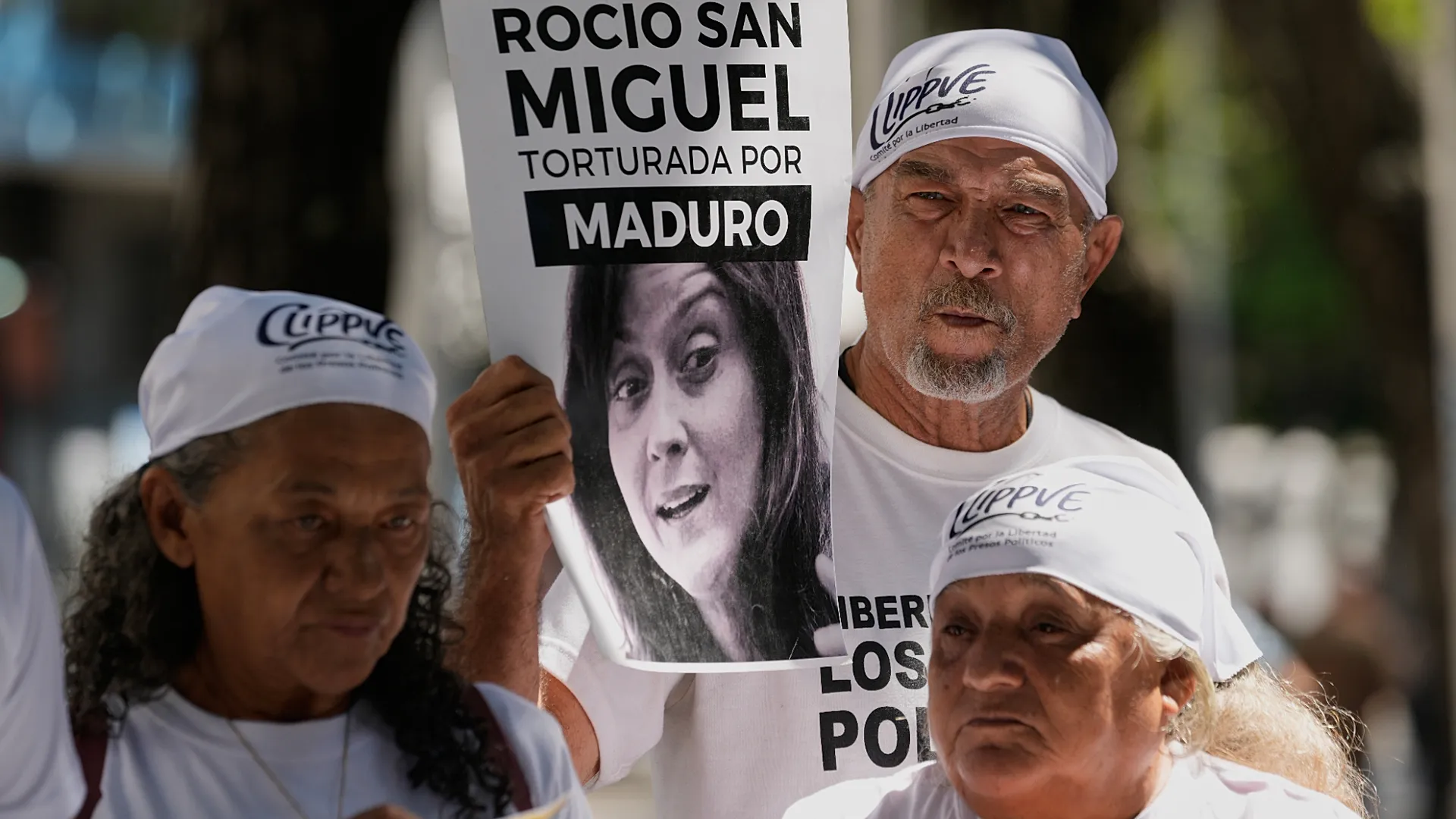
The decision signals a controlled gesture of de-escalation in a climate of internal strain and international pressure.
Caracas, Venezuela.
Venezuelan authorities announced the release of a group of detainees, including Venezuelan citizens and foreign nationals, in a move presented as part of a broader effort to reduce political tension and project a willingness to recalibrate the country’s internal and external posture. The decision was communicated by senior figures within the governing structure and immediately reverberated across political, social and diplomatic circles, reopening debates over the nature of political detention, selective clemency and the strategic use of humanitarian gestures in moments of uncertainty.
The release includes individuals whose detention had drawn sustained attention from foreign governments and international advocacy networks, as well as Venezuelans arrested in contexts linked to political unrest, dissent or security operations. For families affected by years of incarceration and legal ambiguity, the announcement generated cautious relief, tempered by lingering concern over those who remain behind bars. While authorities framed the measure as sovereign and voluntary, the absence of comprehensive details regarding criteria, conditions or future steps left significant questions unanswered.
Officials described the move as part of an effort to promote coexistence and social stability at a time when economic pressure, institutional fatigue and political fragmentation have eroded public confidence. Inflation, reduced purchasing power and prolonged uncertainty have reshaped daily life for millions of Venezuelans, intensifying demands for pragmatic solutions over ideological confrontation. In this context, the release of detainees functions both as a humanitarian signal and as a tactical recalibration aimed at lowering immediate friction.
Human rights advocates acknowledged the importance of the releases while emphasizing that they do not resolve deeper structural problems. Persistent concerns remain regarding judicial independence, due process and the use of detention as a political instrument. Advocacy groups stress that without transparent legal frameworks and systemic reform, selective releases risk reinforcing a cycle in which imprisonment and liberation become tools of negotiation rather than elements of justice.
Politically, the timing of the decision has fueled interpretation. Analysts point to moments of leadership transition, diplomatic repositioning and internal consolidation as key factors shaping the move. Historically, similar gestures in Venezuela have coincided with attempts to open channels of dialogue, mitigate sanctions pressure or recalibrate international perception. Whether the current release marks the beginning of a sustained shift or remains an isolated adjustment will depend on subsequent actions taken by authorities.
Opposition actors responded with guarded statements, recognizing the humanitarian value of the releases while cautioning against presenting them as evidence of political normalization. Several figures stressed that genuine reconciliation would require guarantees for civil liberties, electoral credibility and the dismantling of mechanisms that criminalize dissent. Without such steps, they argue, gestures of release risk being perceived as temporary and reversible.
At the societal level, the announcement has reopened conversations about fear, silence and resilience. Years of political polarization and repression have left deep psychological and social marks, shaping how citizens interpret official actions. For some, the releases offer a moment of hope that pressure can yield results. For others, skepticism prevails, rooted in past experiences where optimism gave way to renewed control.
Internationally, the inclusion of foreign detainees carries diplomatic weight. Their release may ease bilateral tensions and create limited space for renewed engagement, even as broader disputes remain unresolved. Governments monitoring the situation have emphasized the need for consistency and transparency, underscoring that humanitarian steps must translate into sustained respect for legal norms.
As released individuals reunite with families or prepare to leave the country, the episode underscores the fragile balance between symbolism and substance in Venezuela’s political landscape. The coming weeks will test whether this move functions as a bridge toward deeper change or as a contained maneuver designed to manage pressure without altering underlying structures. In either case, the release of detainees has once again exposed the intimate link between power, justice and narrative control in a system under strain.
Detrás de cada dato, hay una intención. Detrás de cada silencio, una estructura.
Behind every data point, there is an intention. Behind every silence, a structure.