

 Phoenix 24
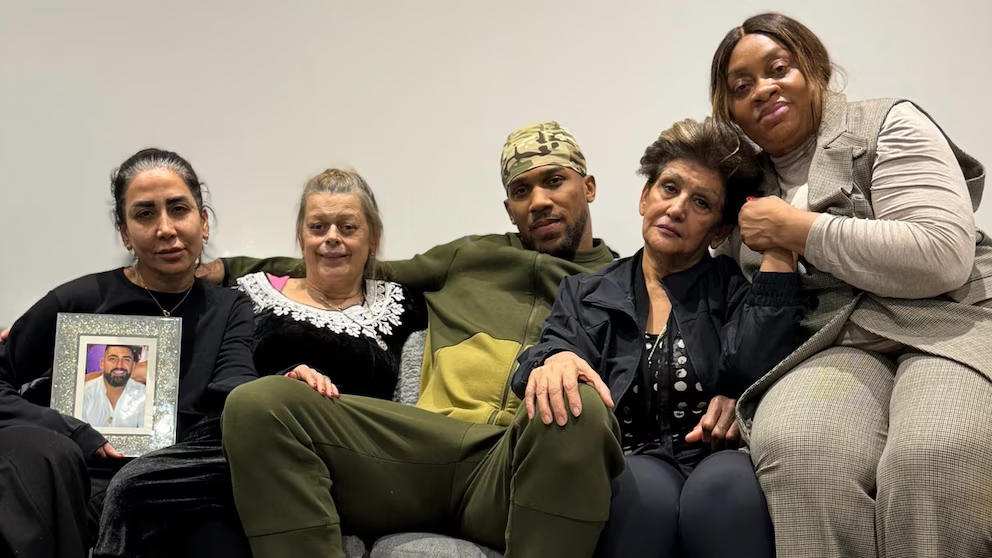
Some moments strip public figures of titles and leave only the human being exposed to grief.
London, January 2026.
The world of professional boxing is accustomed to narratives of controlled violence, discipline, and resilience under pressure. What it is less prepared to confront are moments when tragedy enters without warning and rewrites the meaning of strength. That rupture became visible when Anthony Joshua issued his first public message following a fatal road accident that claimed the lives of two close friends and long time collaborators.
Joshua, a former heavyweight world champion and one of the most recognizable figures in global boxing, survived the accident with non life threatening injuries. The crash, which occurred during a private journey, resulted in the deaths of two individuals who had formed part of his inner professional and personal circle for years. Their loss, according to those close to the situation, has had a profound emotional impact on the fighter, eclipsing any immediate sporting considerations.
In his message, Joshua avoided dramatic language or public self reference. Instead, he centered his words and actions on the families of the deceased, emphasizing presence over explanation. The gesture was deliberate. Rather than framing the event through the lens of celebrity misfortune, he chose to highlight collective mourning and responsibility toward those left behind. Observers in the British sports press noted that the tone marked a departure from the performative grief often expected of public figures.
From a psychological perspective, specialists in athlete trauma based in Europe have long argued that sudden loss within an athlete’s trusted circle can destabilize identity as deeply as career ending injury. In Joshua’s case, the accident intersected with an already demanding phase of professional recalibration, amplifying the emotional weight of the moment. The deaths were not abstract or distant; they were embedded in daily routines, training structures, and long standing personal bonds.

The response from the international boxing community was immediate but restrained. Fellow fighters, promoters, and trainers across North America and Europe issued statements of condolence that avoided speculation about Joshua’s future in the sport. This restraint reflects a broader shift within elite athletics, where institutional voices increasingly recognize the need to allow space for grief without accelerating narratives of comeback or decline.
Beyond boxing, the incident reopened discussions around road safety and risk exposure for high profile athletes traveling outside tightly controlled professional environments. Analysts in Africa and Asia have repeatedly pointed to infrastructural and regulatory vulnerabilities that make road travel one of the most persistent sources of accidental death globally. While the circumstances of the crash remain under legal review, the broader structural context has been difficult to ignore.
Joshua’s public conduct following the tragedy has drawn particular attention. Accompanied by close family members, he attended private commemorations and met directly with the families of those who died. There were no promotional undertones, no staged appearances. The emphasis was on proximity, silence, and shared mourning. Cultural commentators in Latin America highlighted this approach as significant in a sporting culture that has historically equated masculinity with emotional opacity.
Sports psychologists note that such gestures can serve dual functions. Internally, they allow the individual to process grief through connection rather than isolation. Externally, they challenge audience expectations that elite competitors remain emotionally impermeable. In combat sports especially, where stoicism has long been valorized, Joshua’s posture subtly disrupts entrenched norms.
Institutional reactions have mirrored this tone. Governing bodies and athlete welfare organizations in Europe and North America reiterated the importance of comprehensive support systems for athletes experiencing trauma unrelated to competition. These statements underscore a growing consensus that high performance frameworks must account for life events that fall outside training camps and arenas, yet carry equal or greater psychological consequence.
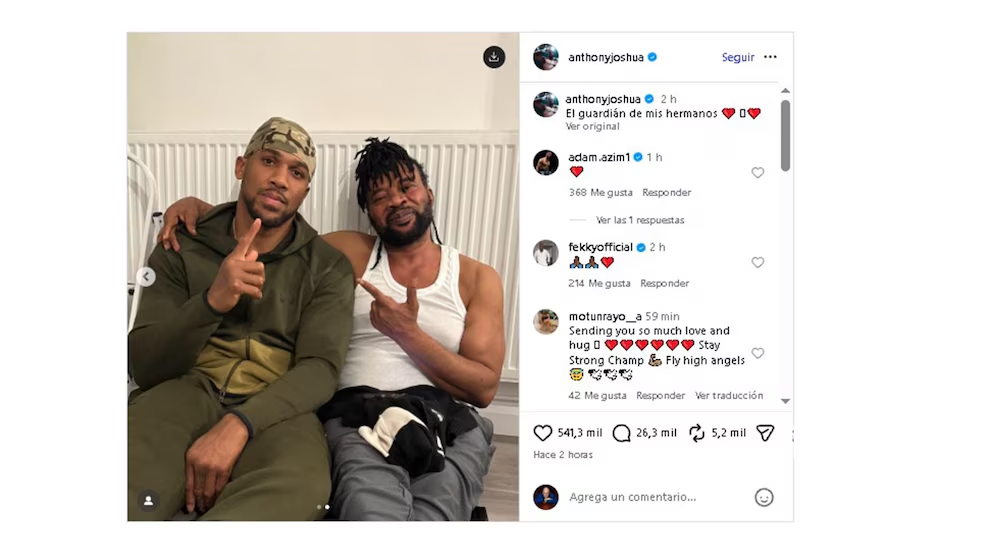
What remains deliberately absent from Joshua’s message is any reference to timelines, professional plans, or future bouts. That absence has been widely interpreted as intentional. In moments of acute loss, forward looking narratives can function as avoidance rather than resilience. By refusing to anchor his response in professional continuity, Joshua implicitly asserted that grief is not a detour to be managed, but a reality to be confronted.
The public reaction has been largely respectful. Fans across regions have responded not with demands for updates, but with recognition of shared vulnerability. This reaction reflects a subtle recalibration in audience psychology, where empathy increasingly outweighs spectacle in moments of genuine human crisis.
In elite sport, legacies are often measured in titles, records, and victories. Yet there are moments when legacy is shaped by restraint rather than achievement. Joshua’s response to this tragedy occupies that space. It neither seeks absolution nor offers explanation. It acknowledges loss, honors presence, and accepts silence as part of accountability.
In doing so, it reminds observers that even within industries built on dominance and endurance, the most consequential gestures may occur far from competition, in moments where strength is defined not by resistance, but by recognition of fragility.
Phoenix24: claridad en la zona gris. / Phoenix24: clarity in the grey zone.