

 Phoenix 24
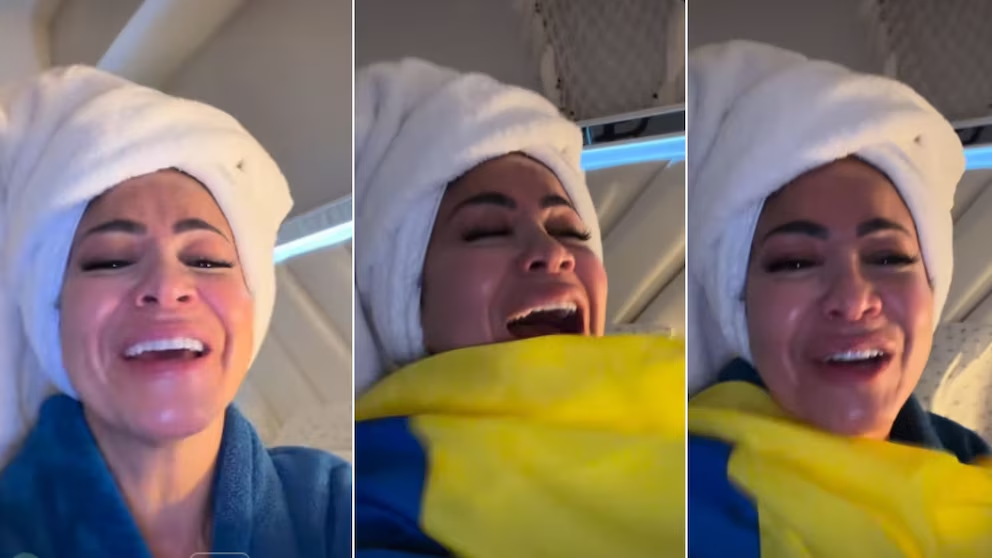
The television personality’s reaction reflects a broader public expression of hope and complex responses to unfolding political events in Venezuela.
Miami, United States.
Television host and media personality Carolina Sandoval reacted strongly on social media to reports about Venezuelan President Nicolás Maduro’s fall from power, posting the phrase “Venezuela free at last” along with expressions of relief and optimism for her country. Sandoval, who is originally from Venezuela and has a significant following across Spanish-language media, framed her response as an emotional statement of support for change after years of political and economic turmoil. Her comments quickly spread across platforms, underscoring how public figures can amplify sentiments that resonate with audiences experiencing uncertainty and rapid developments in their homeland.
Sandoval’s reaction was shared shortly after reports circulated that Maduro had been removed from office amid military operations and heightened international attention, although definitive official confirmation remained pending at the time of her posting. In her message, she emphasized a sense of liberation and a hopeful future for Venezuelans, reflecting the deep personal connection many expatriates and citizens maintain with developments in their country of origin. These expressions highlight how media personalities can serve as conduits for collective emotion, particularly when political events intersect with long-standing diaspora experiences.
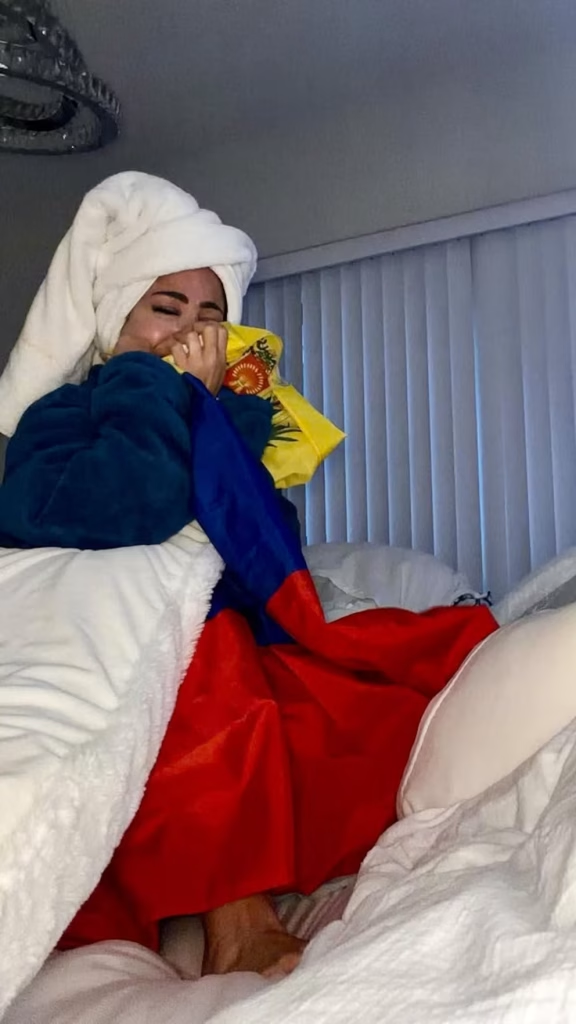
The response elicited a wide range of reactions from viewers and followers, including expressions of support, disagreement and nuanced commentary about the complexities of Venezuela’s political situation. For many Venezuelans living abroad, news of rapid change in their homeland evokes a mix of relief, concern and cautious optimism, as decades of economic hardship and political conflict have shaped expectations about what stability and governance might look like moving forward. Sandoval’s public stance reflects one thread of this broader dialogue, emphasizing a desire for national renewal and the end of hardship associated with past years.
Political observers note that public figures’ reactions to sensitive geopolitical events can influence discourse and sentiment, especially within communities that maintain strong cultural and familial ties to affected regions. In this case, a media personality’s emotional expression becomes part of a wider narrative about collective identity, national belonging and aspirations for the future. Sandoval’s comments both reflect and reinforce how individuals use platforms to articulate personal interpretations of historic moments, even as official details continue to emerge and evolve.
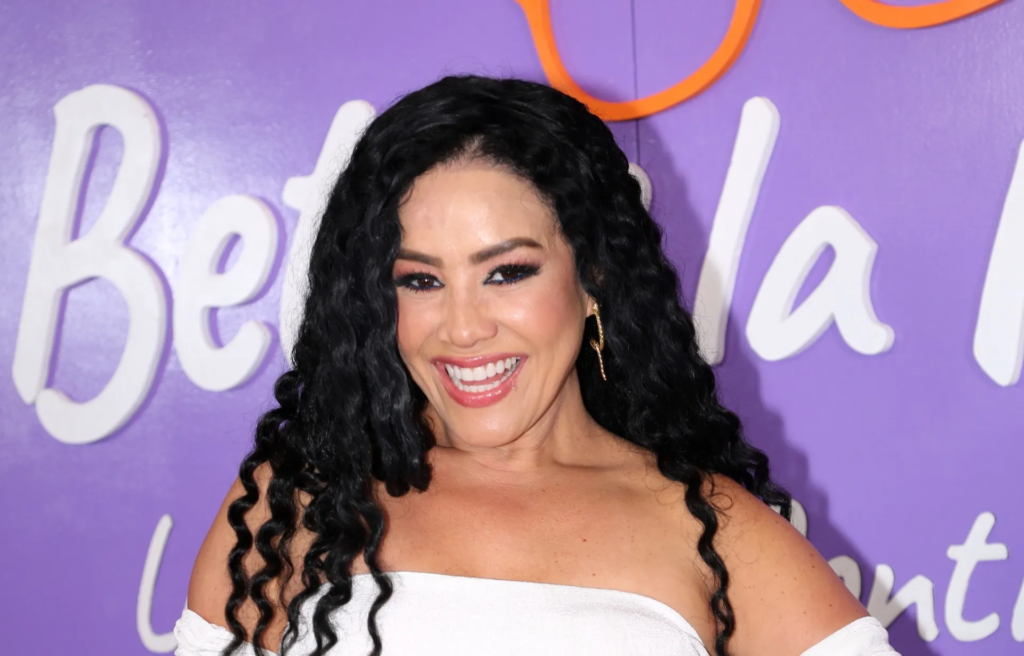
Analysts also emphasize the importance of distinguishing between immediate emotional reactions and confirmed factual developments. In rapidly changing situations, early commentary from public figures often precedes verified information and should be understood within the context of personal perspective rather than authoritative reporting. The interplay between real-time sentiment and verified political change underscores the dynamic media environment surrounding major geopolitical events, where social media messages can travel faster than official announcements.
For audiences in Venezuela and the diaspora alike, reactions from well-known personalities can catalyze further engagement with news coverage, prompting discussions, reflections and exchanges of personal stories. These conversations illustrate how media figures often occupy dual roles — both as entertainers and as participants in social commentary that intersects with political life. In moments of national upheaval or transition, such voices can amplify themes of resilience, hope and uncertainty, contributing to the evolving public narrative.
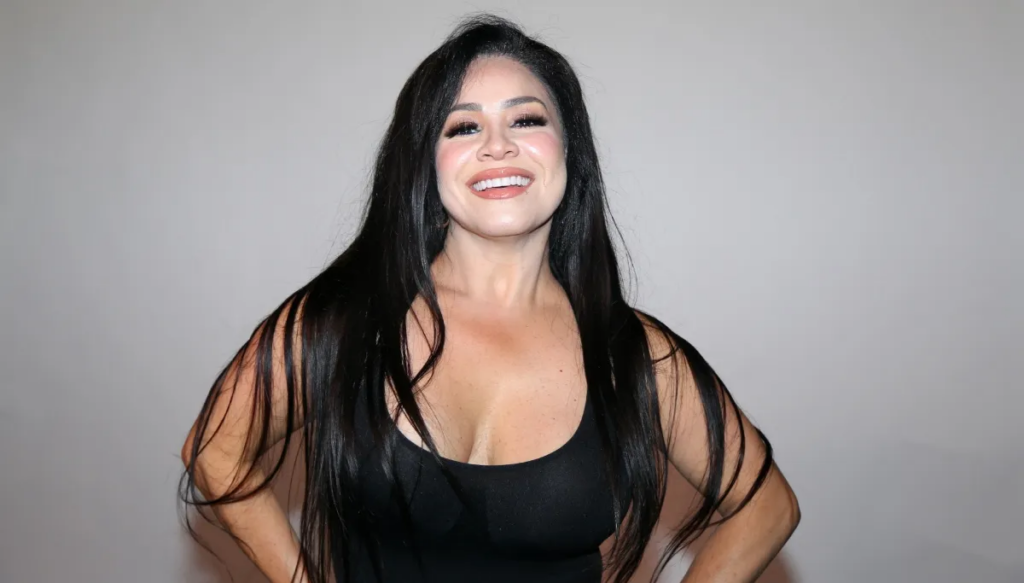
Sandoval’s expression of “Venezuela free at last” captures one facet of public emotion in response to reports of significant political change. Whether that sentiment translates into concrete outcomes in Venezuela’s political landscape remains subject to ongoing developments, official confirmations and the broader consensus of political and civil institutions. The range of reactions to her message highlights how private feelings and public communication converge when historic events resonate deeply with individual and collective experience.
Detrás de cada dato, hay una intención. Detrás de cada silencio, una estructura.
Behind every data point, there is an intention. Behind every silence, a structure.