

 Phoenix 24
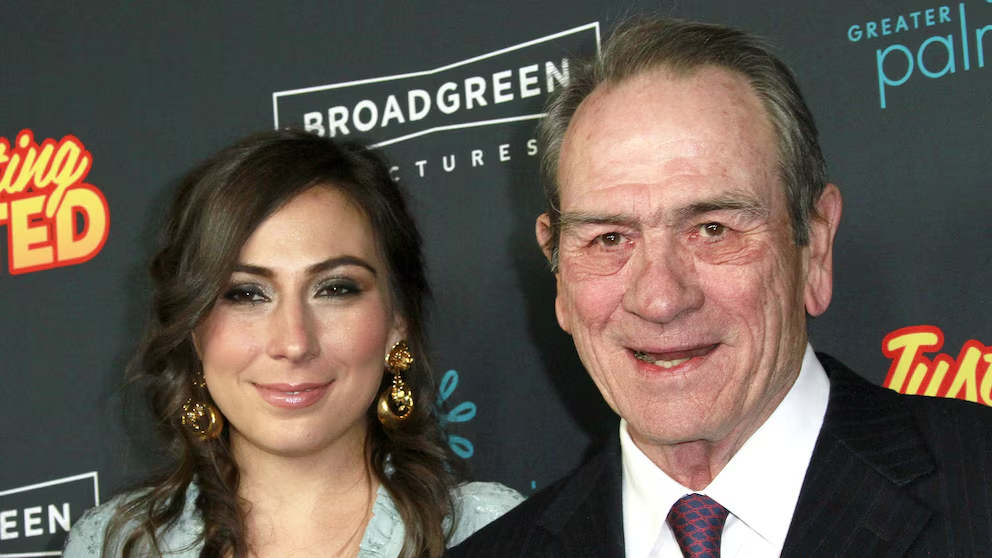
A testimony cited by authorities suggests a possible context to events preceding the young woman’s death, but official investigations remain ongoing and unverified.
San Francisco, United States.
A witness in the ongoing investigation into the death of Victoria “Kafka” Jones, daughter of actor Tommy Lee Jones, has told authorities that she saw indications the young woman had consumed cocaine in the hours before her death, according to statements provided to investigators. The testimony, part of early evidence collected by law enforcement, has been acknowledged by officials but has not been independently verified at the time of reporting and does not in itself establish causation for the tragic outcome.
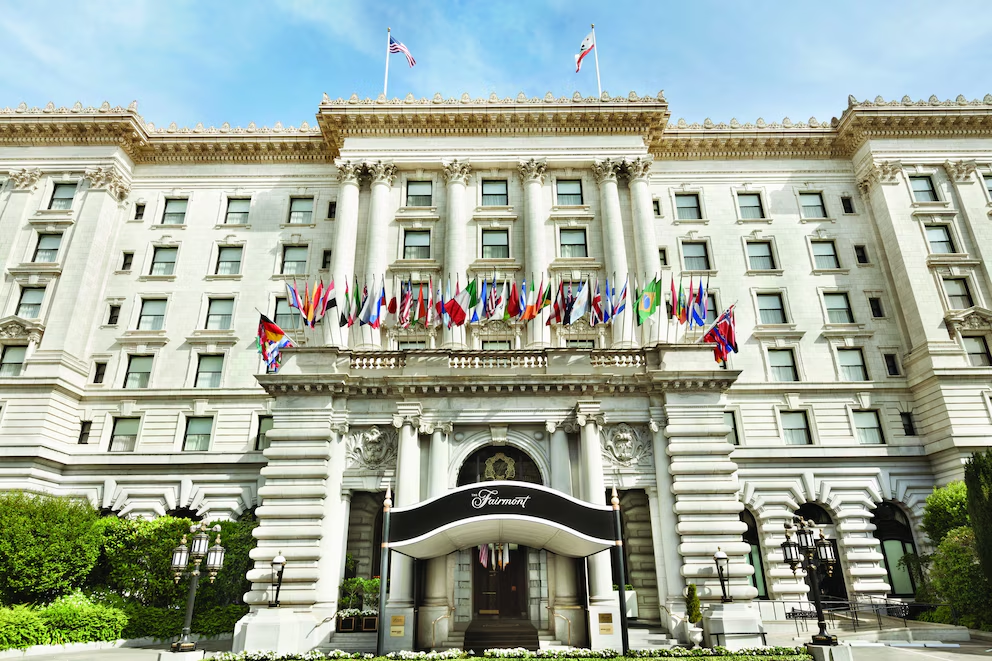
Victoria Jones was found dead in a hotel room in San Francisco during the early morning hours of January 2, when an emergency welfare check was conducted following concerns expressed by hotel staff. The circumstances of her passing have been the subject of an active inquiry by the San Francisco Police Department and the local medical examiner, who continue to examine physical evidence, witness statements and toxicology results as part of a comprehensive process to determine cause and manner of death.
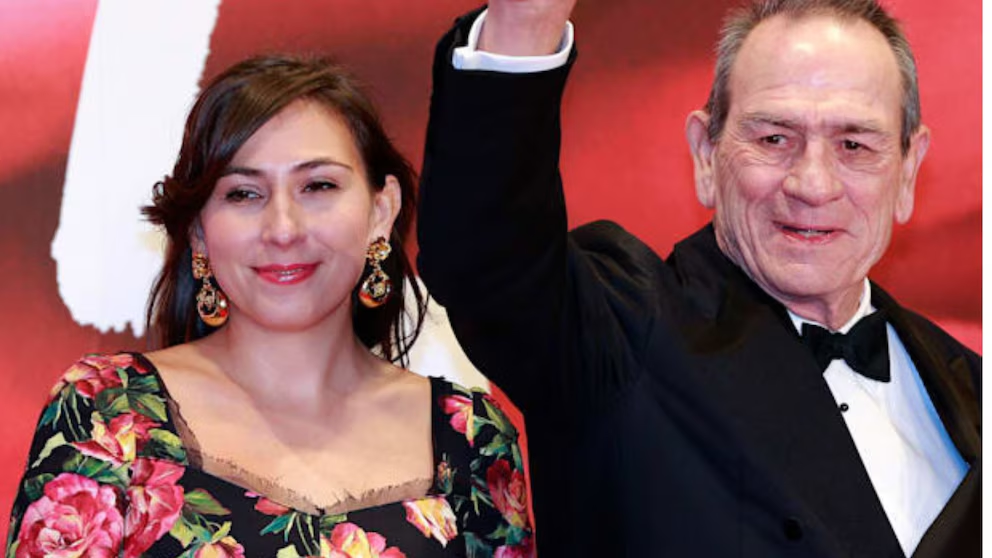
The witness’s claim regarding possible drug use has been incorporated into the broader investigative file, but authorities have cautioned that individual accounts must be corroborated by forensic analysis before any definitive conclusions are drawn. Toxicology testing, which typically requires several weeks to complete, is expected to provide more clarity on whether substances were present in Jones’s system at the time of her death and, if so, at what levels. Such results are an important component of standard medical examiner protocols in cases involving unexpected or unexplained deaths.
In public statements, police representatives emphasized that witness testimony serves as one element among many in an investigation that aims to reconstruct the sequence of events leading to a fatality. They reiterated that no official cause of death can be released until all examinations, including laboratory analysis, are completed and reviewed. Investigators are also assessing hotel surveillance, entry logs and communications to build a timeline of Jones’s movements and contacts in the hours preceding the discovery of her body.
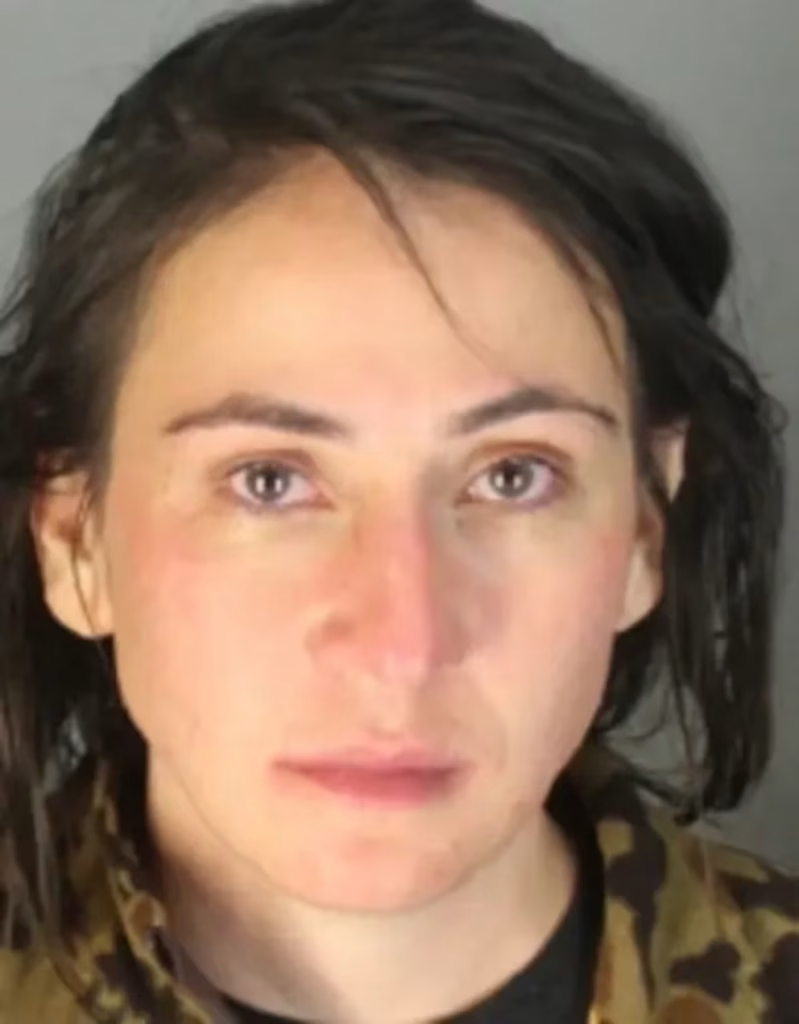
Friends and acquaintances who have spoken about Jones in the wake of the testimony described her in personal terms, highlighting her creative interests and the relationships she maintained outside of her familial connections. Those who knew her have expressed grief and concern, urging that the ongoing inquiry proceed with both thoroughness and respect for privacy, particularly given the emotional weight of the situation for family and loved ones.
Observers of the case note that witness accounts regarding behavior shortly before a death can be influenced by perception, memory and context, and that their significance is best understood in conjunction with objective evidence. Investigative practice generally treats such accounts as leads to be tested rather than as standalone explanations.
As the San Francisco medical examiner’s office advances its examination, updates regarding cause and manner of death will be released in accordance with legal and procedural standards. The process reflects a commitment to accuracy and due process, ensuring that findings are supported by scientific evidence rather than speculation.
The case has also prompted public discussion about substance use, mental health and the pressures faced by young adults in high-visibility circumstances, but experts caution against drawing broad generalizations from a single, unresolved incident. Family, friends and community members continue to navigate grief while awaiting official determinations that will shed further light on this tragic event.
Detrás de cada dato, hay una intención. Detrás de cada silencio, una estructura.
Behind every data point, there is an intention. Behind every silence, a structure.