

 Phoenix 24
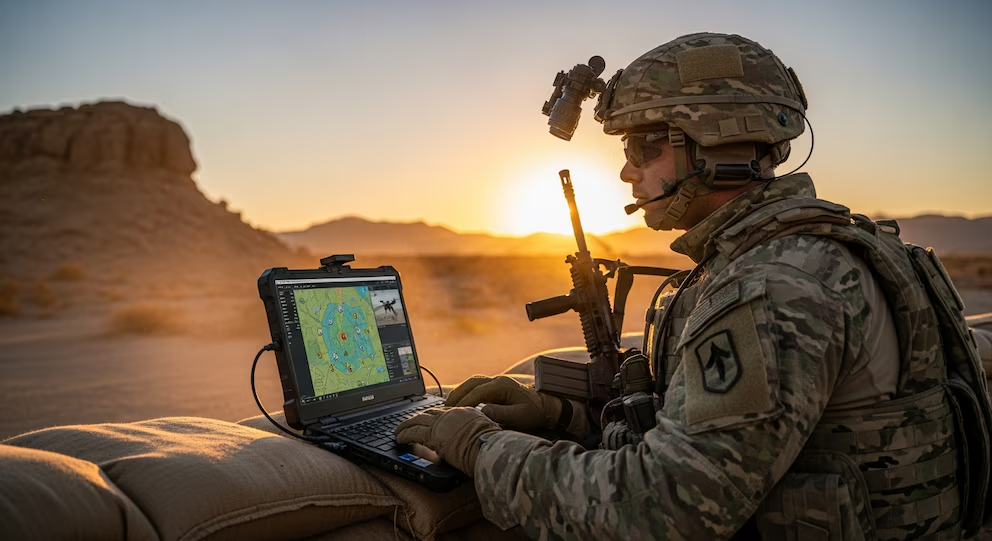
The emergence of AI officers reflects the growing role of artificial intelligence in defense operations, strategy and support functions.
Washington, United States.
The United States Army has created a new specialty known as an artificial intelligence officer, a role designed to integrate, manage and oversee the use of AI technologies across training, operations and logistical functions. As artificial intelligence becomes increasingly embedded in military planning and decision-making, the specialty aims to ensure that Army personnel understand both the capabilities and limitations of AI systems, as well as the ethical frameworks that govern their deployment in complex environments.
An artificial intelligence officer is responsible for advising commanders on the implementation of AI tools, including predictive analytics, autonomous systems and data fusion platforms that support situational awareness. This role involves collaboration with software engineers, data scientists and tactical units to translate technical possibilities into practical applications that enhance operational effectiveness. In training environments, AI officers help design simulations, evaluate performance metrics generated by machine learning systems and ensure that personnel are prepared to work alongside AI-augmented platforms.
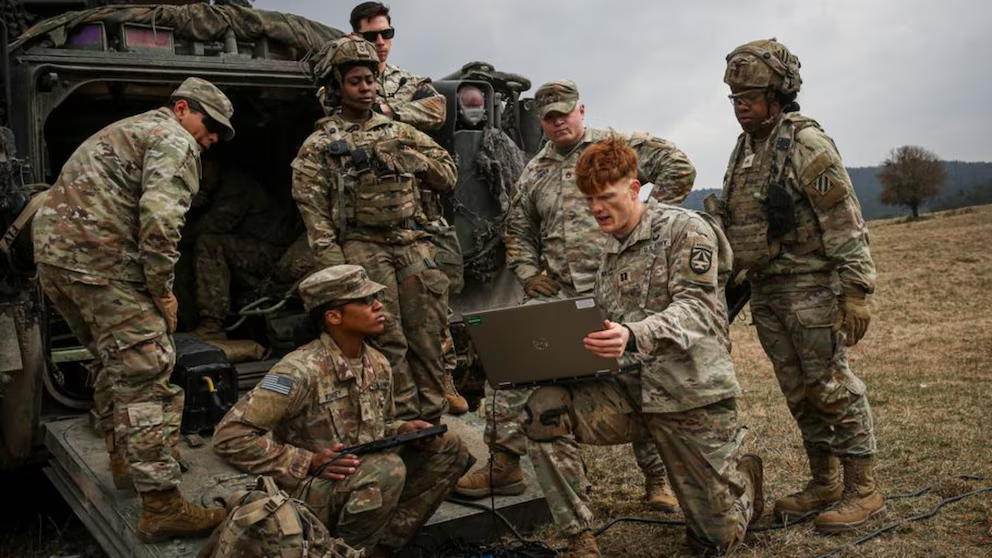
Another key aspect of the role is risk assessment and mitigation. Artificial intelligence systems can introduce vulnerabilities if not properly configured, monitored and audited. AI officers evaluate system behavior, identify potential biases or unintended consequences in algorithmic outputs and develop protocols to reduce errors or misuse. This focus on risk management is especially important in areas where decisions informed by AI may have significant operational implications, such as target identification, threat prioritization or autonomous navigation.
The specialty also encompasses education and policy development. AI officers engage with legal and ethical considerations associated with the use of AI in military contexts, helping to shape guidelines that align with national laws and international norms. These responsibilities mirror broader defense community efforts to promote responsible AI adoption, including transparency, accountability and human oversight. By serving as bridges between technical teams and commanding authorities, AI officers contribute to frameworks that balance innovation with governance.
In logistics and support functions, AI officers analyze data streams to optimize supply chains, maintenance schedules and resource allocation. Machine learning models can identify patterns that predict equipment failure or inefficiencies, and officers with specialized expertise are tasked with interpreting these insights and recommending adjustments. This application of AI supports readiness and operational sustainability, particularly in environments where rapid adaptation to changing conditions is essential.
The emergence of the artificial intelligence officer specialty reflects a broader shift within military institutions toward embracing digital transformation. Defense systems globally are integrating autonomous systems, networked sensors and predictive modeling, and the Army’s approach underscores the need for personnel who can translate abstract technical capabilities into concrete operational advantages. AI officers are envisioned as key contributors to this integration, bringing both technical literacy and strategic perspective to multidisciplinary teams.
Training for AI officers typically includes coursework in computer science fundamentals, machine learning principles and data analytics, alongside military doctrine and leadership development. This combination seeks to ensure that officers not only understand how AI systems function, but also how they fit within the context of broader operational objectives. As the technology landscape evolves, ongoing professional development is expected to remain a core part of the specialty, with continual updates to curriculum and certification standards.
Critics and advocates alike acknowledge that the role of AI in defense raises complex questions. Ethical concerns about autonomy, civilian harm and accountability persist in public discourse, and military planners emphasize the centrality of human judgment in decisions involving the use of force. Artificial intelligence officers are intended to reinforce this human-centric orientation by providing informed counsel that ensures human control and oversight remain foundational.
The creation of the artificial intelligence officer specialty illustrates how modern militaries are adapting structures and career paths to reflect new technological realities. As AI systems continue to influence a wide range of defense activities, from tactical support to strategic forecasting, personnel trained to manage these tools will play an increasingly significant role in shaping how armed forces operate in the 21st century.
Detrás de cada dato, hay una intención. Detrás de cada silencio, una estructura.
Behind every data point, there is an intention. Behind every silence, a structure.