

 Phoenix 24

The enduring appeal of mermaid imagery reflects evolving cultural meanings linked to identity, desire and the interplay between the human and the otherworldly.
London, United Kingdom.
The figure of the mermaid has become one of the most enduring and adaptable archetypes in global culture, repeatedly reimagined across literature, visual art, film and folklore as a symbol that both captivates and unsettles. Rooted in maritime mythology, the mermaid’s hybrid form — part human and part aquatic — embodies a tension between belonging and otherness that has allowed successive generations to project evolving ideas about femininity, power, desire and difference onto her image. Over time, this archetype has migrated from localized seafarer tales to prominent roles in mainstream culture, where she functions as a mirror for shifting social anxieties and aspirations.
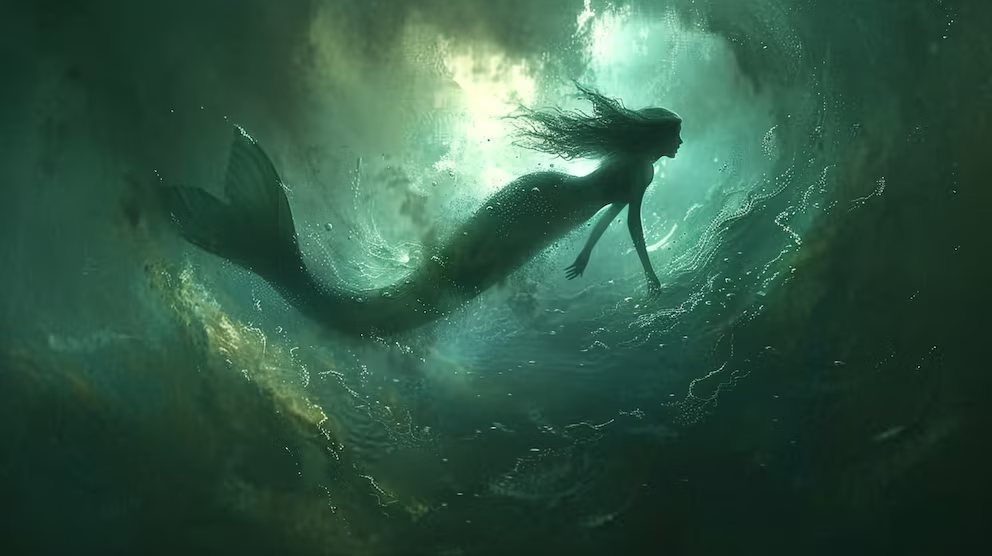
In early folklore, accounts of mermaids appear in diverse traditions from Europe to Asia, often as omens of catastrophe or seduction. In these narratives, the mermaid’s half-human form served as a liminal figure at the boundary between the known and the unknown, between ordered society and the unpredictable sea. Her beauty and song drew sailors toward danger, reflecting historical fears of loss of control and the ever-present threat of nature’s indifference. These early depictions framed femininity through a lens of perilous allure, situating the mermaid as both a warning and a fascination in cultures shaped by seafaring life.
As literary and artistic traditions evolved, so too did mermaid representations. The Romantic period of the nineteenth century, with its emphasis on emotion and the sublime, embraced hybrid figures like mermaids to explore themes of yearning and transcendence. Writers and painters drew on the creature’s dual nature to examine tensions between the spiritual and the corporeal, the rational and the instinctual. In this context, the mermaid’s fluid boundaries became an evocative metaphor for desires that elude easy definition or containment.
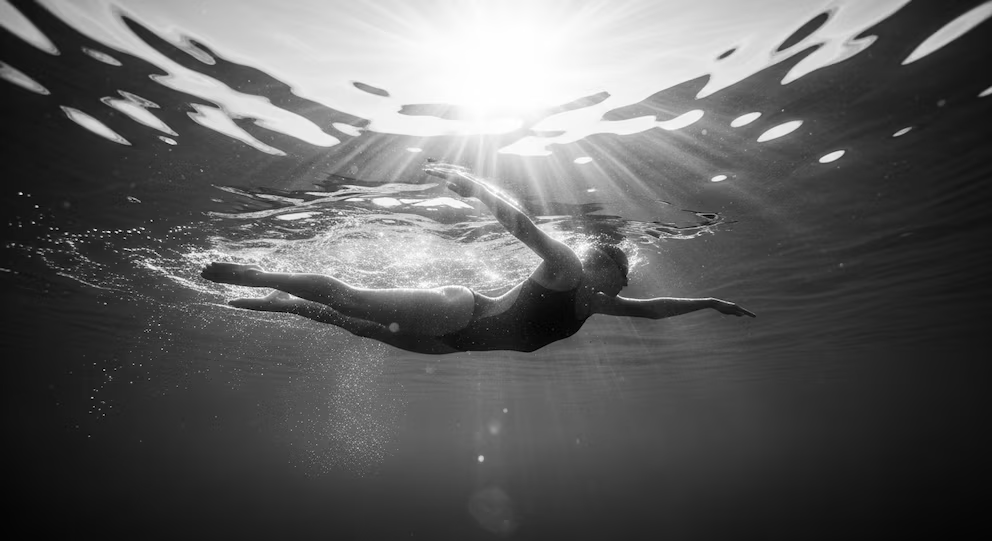
In the twentieth century, the rise of mass media and popular entertainment accelerated the mermaid’s global spread, reframing the figure in ways that both reflected and challenged prevailing cultural norms. Animated films, commercial art and popular music reinterpreted the mermaid as a figure associated with beauty and transformation, while still retaining traces of her mythic roots. These portrayals often foregrounded themes of agency and self-discovery, positioning mermaids not only as objects of fascination but as protagonists navigating the complexities of identity and belonging.
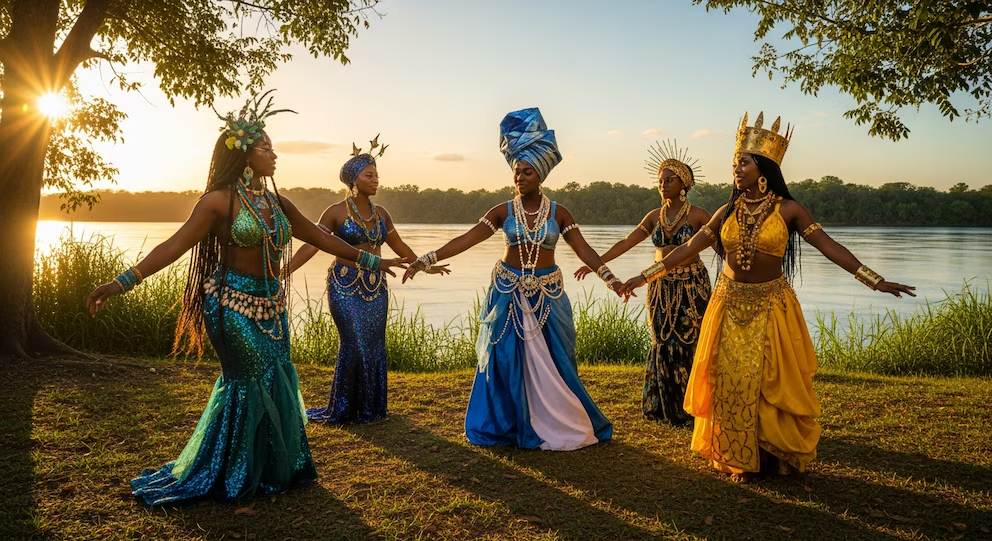
Contemporary discourse has expanded the mermaid’s symbolic role further, using her image to interrogate constructions of gender, difference and autonomy. Scholars in cultural studies and feminist theory have noted how mermaid narratives reveal underlying assumptions about femininity as both spectacle and subject. The mermaid’s existence at the intersection of land and sea, human and non-human, has made her an apt figure for exploring fluid identities that resist rigid categorization. In this reading, the mythic boundary she straddles becomes a space for questioning binary notions of sex, desire and social normativity.

Visual artists and performance makers have similarly adopted mermaid motifs to engage with issues of embodiment and transformation. In installations, dance, fashion and digital art, the mermaid’s aesthetic — shimmering scales, flowing forms, expansive movement — becomes a means of expressing dynamics of visibility and marginality. By emphasizing aspects of hybridity and divergence from the human norm, these works interrogate how cultural frameworks define and delimit difference, inviting audiences to reconsider assumptions about what constitutes the familiar or the foreign.
The evolution of mermaid imagery also intersects with environmental narratives, where the figure becomes emblematic of the relationship between humanity and the natural world. In an era of heightened awareness about ecological fragility, the mermaid evokes the water’s vast power and vulnerability alike, making her a potent symbol for dialogues about conservation, climate change and the interconnectedness of species. Her presence in environmental art and advocacy reflects a shift from viewing her as a mythical seductress to recognizing her as a voice in conversations about planetary stewardship and interdependence.

Across global media, the mermaid continues to inspire reinterpretation, from blockbuster films to literary reimaginings that foreground agency, diversity and the complexity of self-definition. Her capacity to inhabit multiple narrative worlds — mythic, commercial, ecological — speaks to the enduring flexibility of her form as a cultural symbol. By bridging historical traditions with contemporary concerns, mermaid imagery invites reflection on how stories evolve, carry meaning across contexts and shape collective understandings of identity and otherness.
Detrás de cada dato, hay una intención. Detrás de cada silencio, una estructura.
Behind every data point, there is an intention. Behind every silence, a structure.