

 Phoenix 24
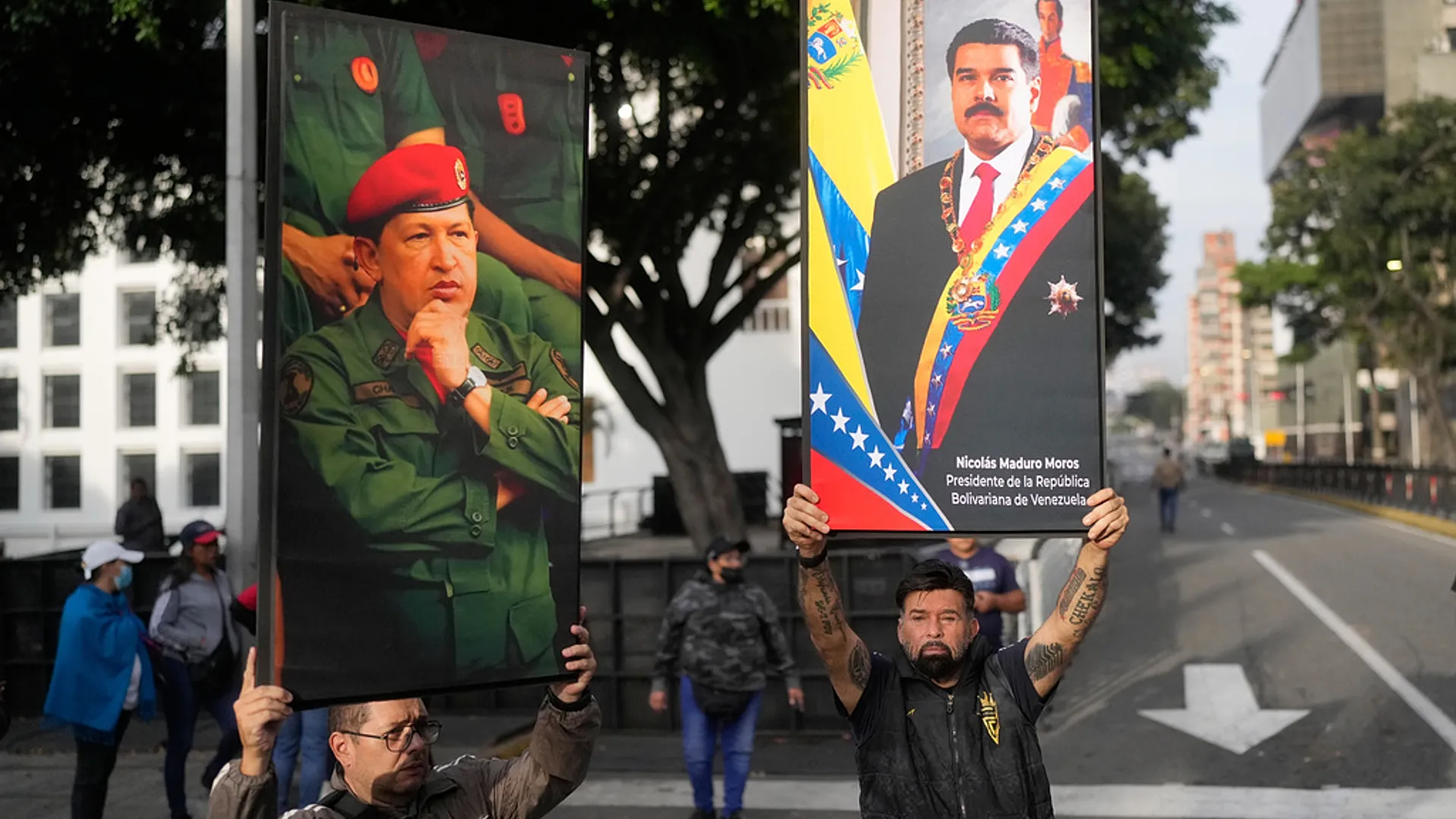
The Justice Department’s announcement formalizes long-standing allegations against the Venezuelan leader and signals continued legal and diplomatic pressure from Washington.
Washington, United States.
The United States Attorney General has confirmed that Nicolás Maduro, the president of Venezuela, has been formally charged in a U.S. federal indictment alleging involvement in a narcoterrorism conspiracy. The announcement, made by senior officials at the U.S. Department of Justice, outlines accusations that Maduro and associates participated in a scheme involving illicit drug trafficking and material support for designated terrorist groups, charges that have been under scrutiny by U.S. prosecutors for years.
According to the statement from the Attorney General’s office, the indictment represents the latest step in a broader U.S. law enforcement effort targeting transnational criminal activity linked to state actors and criminal networks in Venezuela. The charges do not stem from proceedings in Venezuela itself, but from U.S. statutes aimed at combating the distribution of illegal narcotics and the financing of violent groups that have been labeled as terrorist organizations under U.S. law. Officials emphasized that the indictment followed a thorough investigation, though specific evidence and details remain subject to the procedural protections of the U.S. criminal justice system.
The formal indictment of a sitting head of state is unusual and expected to draw attention in diplomatic and legal circles. U.S. authorities have long accused the Maduro government of facilitating drug shipments that transit through Venezuelan territory en route to markets in North America and Europe, allegations the Venezuelan leadership has consistently denied. The current charges expand on these accusations by tying the alleged trafficking networks to broader criminal and extremist activities, framing them within the framework of narcoterrorism — a designation that underscores the intersection of drug trafficking and violent political agendas.
The Attorney General’s confirmation did not include an announcement of Maduro’s arrest or extradition, and it remains unclear how or when the United States might pursue custody of the Venezuelan president should he travel to a jurisdiction where U.S. law enforcement has authority. U.S. officials noted that indictments are standard practice in federal prosecutions and do not necessarily imply immediate enforcement, particularly when the subject resides outside U.S. jurisdiction. The announcement did, however, signal continued legal pressure and a willingness to use judicial mechanisms to address alleged wrongdoing by foreign leaders when tied to U.S. statutes.
International reaction to the announcement has been mixed. Some governments and organizations supportive of U.S. anti-drug and counterterrorism efforts welcomed the step as a demonstration of commitment to the rule of law and accountability for transnational crimes. Others warned that criminal charges against a sitting president could complicate diplomatic relations and undermine prospects for negotiation or cooperation on broader regional issues, including migration, economic recovery and political dialogue in Venezuela.
Within Venezuela, state media and government representatives rejected the charges, characterizing them as illegitimate, politically motivated and a violation of national sovereignty. Leaders aligned with Maduro framed the announcement as an escalation of hostile U.S. policy toward Venezuela, asserting that domestic political dynamics should be resolved internally rather than through foreign judicial action. Opposition figures in Venezuela offered diverse reactions, with some welcoming the spotlight on alleged abuses and others expressing concern that U.S. legal action could further polarize an already divided political landscape.
Legal analysts note that indictments of foreign leaders are not unprecedented under U.S. law, but they carry significant symbolic weight and can influence diplomatic engagement. The U.S. legal framework allows for prosecution of individuals who violate specific statutes, including those related to drug trafficking and support for designated terrorist groups, regardless of official status. However, the practical execution of such charges depends on international cooperation, the availability of extradition treaties and the political will of other states to assist in enforcement.
The announcement comes amid ongoing tensions between the United States and Venezuela, where longstanding disputes over governance, human rights and regional influence have shaped bilateral relations for years. U.S. sanctions, diplomatic pressure and support for opposition movements have been central elements of U.S. policy toward Venezuela, and the indictment adds a legal dimension to these persistent pressures.
As legal proceedings move forward in the United States, questions remain about the implications for regional stability, diplomatic channels and the prospects for negotiated solutions to Venezuela’s political and economic crises. The Attorney General’s confirmation of the charges underscores the intersection of law, international relations and efforts to address complex criminal networks that span borders and challenge conventional frameworks of accountability.
Detrás de cada dato, hay una intención. Detrás de cada silencio, una estructura.
Behind every data point, there is an intention. Behind every silence, a structure.