

 Phoenix 24
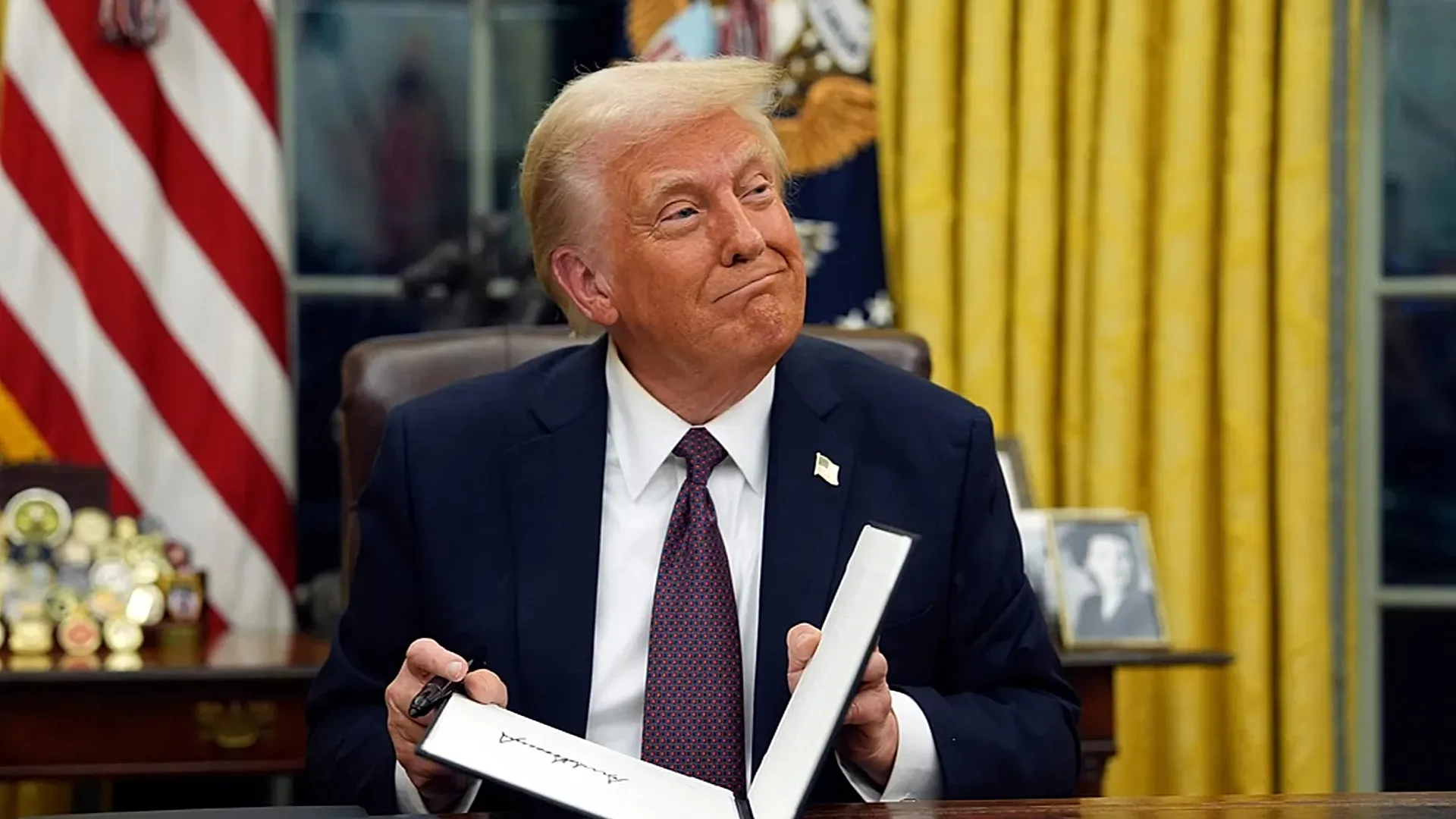
Market reaction suggests temporary relief for consumers and manufacturers, but underlying trade tensions remain unresolved.
Washington, United States.
In a notable adjustment to trade policy at the start of 2026, the administration of former President Donald Trump announced a postponement and scaling back of planned tariffs on a range of consumer goods, including furniture and food products such as pasta. The decision responds to mounting pressure from industry groups, domestic consumers and international partners who warned that sweeping tariff increases threaten inflationary pressures and disrupt supply chains that are essential to everyday commerce.
Economists and market analysts have described the tariff deferral as a short-term reprieve that eases immediate cost pressures on households and businesses. Manufacturers of goods such as sofas, tables and other home furnishings, as well as producers of staple food items like spaghetti, reported cautious optimism that a delay could mitigate price hikes that were anticipated upon the implementation of new duties. Consumer advocacy groups highlighted that postponing tariffs on widely consumed products provides a measure of stability for family budgets at a time when many households are already coping with high living costs.
The shift in trade policy reflects broader deliberations within the administration and among economic advisers about the balance between protecting domestic industries and maintaining competitive markets with global partners. While some sectors of the U.S. economy have supported the idea of tariffs as leverage in trade negotiations, critics have long warned that broad-based duties can have unintended consequences, including retaliatory measures from trading partners, supply disruptions and higher consumer prices.
Domestic furniture manufacturers expressed mixed reactions to the announcement. Some smaller producers welcomed the delay, noting that tariffs on imported raw materials and finished products had raised input costs and threatened to erode profit margins. At the same time, larger manufacturers with established global supply chains pointed out that trade uncertainty makes it harder to plan production and investment over the long term. Retailers, particularly those selling domestically assembled but globally sourced goods, also cited the postponement as beneficial in avoiding immediate price adjustments that could dampen consumer demand.
In the food sector, associations representing pasta producers and bakers lauded the decision to hold off on duties that would affect imported durum wheat and semolina, inputs essential to production. Trade groups emphasised that stable input costs help ensure consistent pricing for basic food products at a time when agricultural markets continue to adjust to climatic variability and evolving global demand. Food security advocates also noted that predictable supply conditions are important for maintaining access to staple goods across diverse economic regions.
The administration’s announcement did not entirely abandon the use of tariffs as a tool of trade policy, but it did signal a more calibrated approach that takes into account timing, economic conditions and potential downstream effects. Officials indicated that further consultations with industry representatives and international trading partners would inform whether and how future duties might be applied in ways that protect key strategic interests without imposing undue burdens on consumers or disrupting market equilibrium.
International response was measured. Some trading partners welcomed the suspension of planned measures as a sign that economic cooperation and negotiation remain viable even amid broader geopolitical tensions. Others maintained that uncertainty about future tariff schedules continues to complicate planning for exporters and multinational corporations that depend on stable trade regimes. Diplomatic channels in Europe and Asia noted that the decision could open space for renewed dialogue on broader trade issues, though they also underscored the importance of clarity and predictability in global commerce.
Market indicators in the immediate aftermath of the announcement reflected modest rallying in equities tied to consumer goods and basic materials, while futures in agricultural commodities, including wheat, showed signs of easing volatility as traders recalibrated expectations. Analysts cautioned that the relief may be temporary if long-term trade frameworks are not clarified, and that underlying tensions in global trade policy remain unresolved even as short-term pressures abate.
The debate over tariffs also intersects with broader political narratives about economic sovereignty, industrial policy and the role of government in shaping market outcomes. Proponents of strong trade protections argue that defensive measures are necessary to safeguard strategic industries and prevent unfair competition, while opponents contend that open markets and predictable regulatory environments are essential for innovation, investment and consumer welfare.
As the U.S. government moves into the early months of 2026, the tariff adjustment illustrates an ongoing negotiation between competing policy priorities. Elected officials, industry leaders and consumer advocates are likely to continue engaging in discussions about how best to balance domestic competitiveness with global economic integration, and how to mitigate the impact of trade measures on ordinary citizens.
Detrás de cada dato, hay una intención. Detrás de cada silencio, una estructura.
Behind every data point, there is an intention. Behind every silence, a structure.