

 Phoenix 24
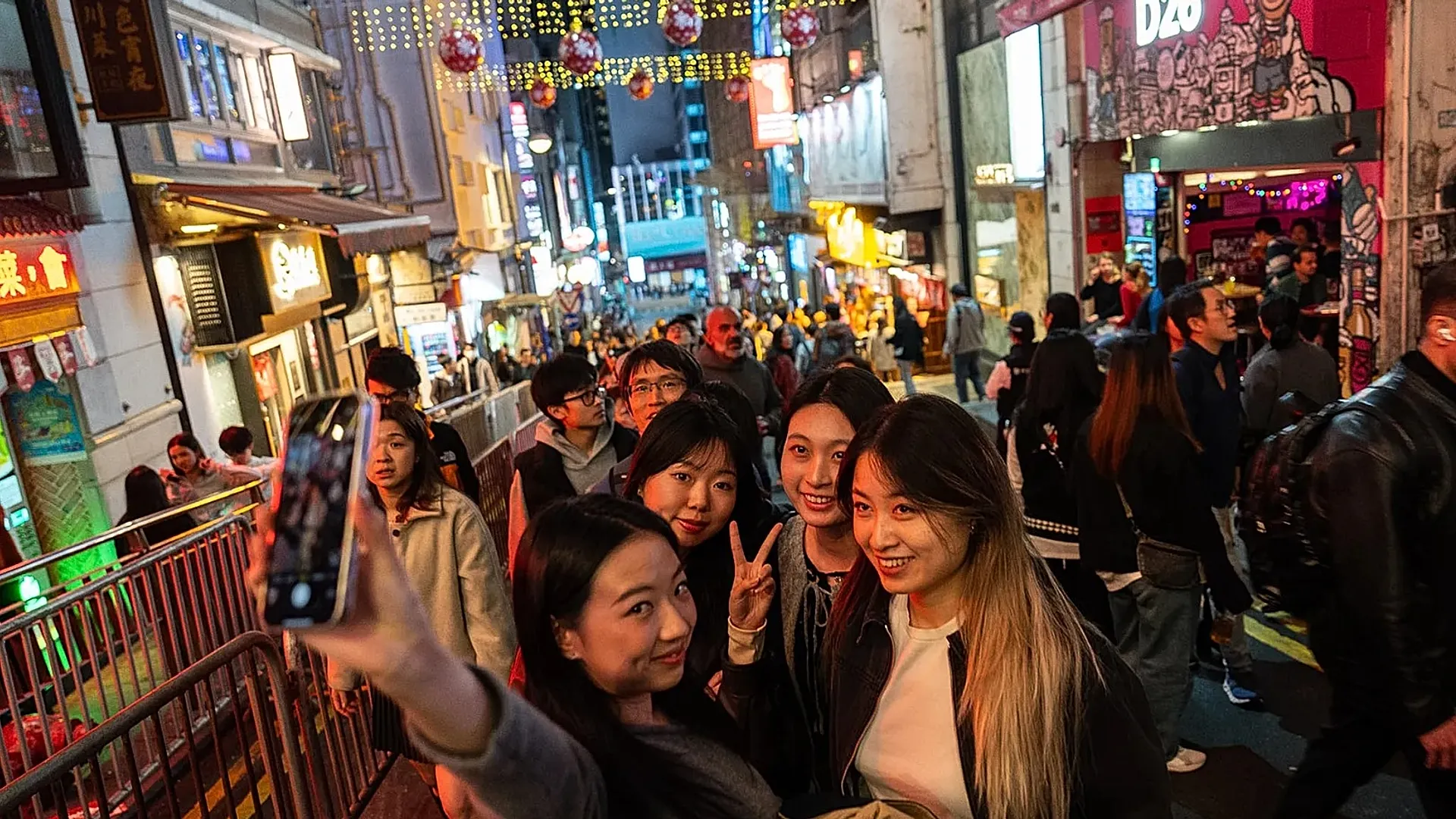
The cancellation of traditional displays reflects an extended period of mourning and concern over public safety, drawing sharp public attention to disaster response and accountability.
Hong Kong, China.
Hong Kong entered the New Year without its customary fireworks displays after the territory was shaken by a devastating residential fire that claimed 161 lives in late December, marking one of the deadliest urban blazes in its recent history. Authorities made the decision to cancel public pyrotechnic celebrations as a gesture of respect for the victims and their families, and amid heightened scrutiny over safety standards and emergency preparedness.
The fire occurred in a high-rise residential building in a densely populated district, where narrow access ways and structural conditions complicated rescue operations. In the immediate aftermath, emergency responders faced persistent challenges reaching upper floors and evacuating residents, issues that have since been the subject of intense public and official review. The scale of the human toll prompted widespread grief and condolences across Hong Kong’s diverse communities, reinforcing a collective sense of loss at a moment typically associated with celebration.
In announcing the suspension of fireworks, government officials cited both respect for the bereaved and practical concerns about public safety. The pyrotechnic shows, which traditionally draw large crowds along Victoria Harbour and surrounding districts, require extensive logistical coordination, crowd management, and safety oversight. Against the backdrop of ongoing investigations into the cause of the fire and questions about regulatory enforcement, officials argued that redirecting public focus toward mourning was appropriate and necessary.
The decision was met with mixed reactions among residents. Many welcomed the pause in festivities as a respectful acknowledgment of the tragedy, while others expressed disappointment, noting that fireworks have been an ingrained part of Hong Kong’s New Year cultural identity. For some, the absence of displays heightened the emotional weight of recent events, reinforcing reflections on loss and the fragility of urban life.
Public discussion surrounding the disaster has extended beyond immediate mourning to broader considerations of building safety, emergency readiness and social support systems. Critics have raised concerns about maintenance standards, inspection regimes and the effectiveness of regulatory frameworks governing older residential properties. Advocates for reform argue that systemic vulnerabilities contributed to both the severity of the fire and the difficulty of response, calling for comprehensive reviews and concrete action to prevent future catastrophes.
Government officials have acknowledged these concerns and pledged to conduct thorough investigations into the causes and contributing factors of the blaze. Early reports suggest that a combination of electrical faults, structural constraints and delayed detection may have played roles in the fire’s rapid spread. Authorities have indicated that interim measures to strengthen inspection protocols and fire prevention standards will be implemented even as formal inquiries continue.
The collective impact of the tragedy and the absence of fireworks has also influenced how communities observed the transition to 2026. Instead of public spectacles, many residents and community groups organised moments of reflection, vigils, and small-scale commemorations to honour the victims and support affected families. These activities highlighted a shift in public mood, from festivity to empathy, as shared grief became a central theme in civic life.
Emergency and health services have maintained an elevated posture following the incident, with ongoing support programmes for survivors and families of victims. Mental health professionals and social service organisations have mobilised resources to provide counselling and assistance, recognising the complex emotional aftermath of traumatic events in dense urban environments.
In public statements, civic leaders emphasised the need for unity and resilience as Hong Kong navigates the early months of 2026. The absence of traditional fireworks was described not as a permanent change to cultural practices, but as a temporary measure reflecting a moment of collective grief and introspection. Leaders also reiterated commitments to improving safety frameworks and ensuring that the tragedy informs long term policy improvements.
The shift from celebration to commemoration at the turn of the year underscores how acute tragedy can reshape public rituals and priorities. In place of dazzling displays and crowd gatherings, Hong Kong’s welcome to 2026 was marked by silence in the skies and a renewed focus on community wellbeing, safety and accountability.
Detrás de cada dato, hay una intención. Detrás de cada silencio, una estructura.
Behind every data point, there is an intention. Behind every silence, a structure.