

 Phoenix 24
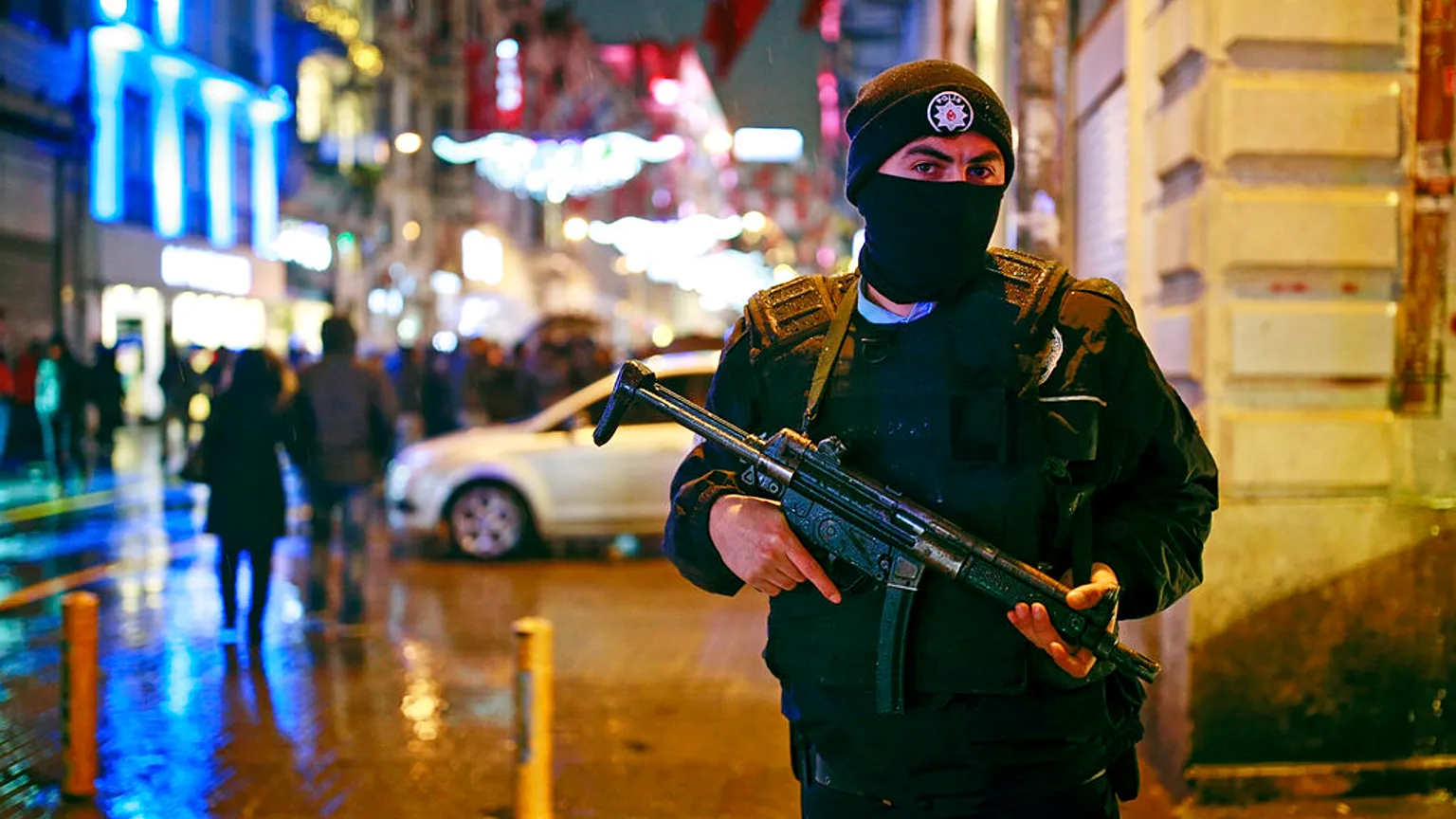
The arrests underscore Ankara’s ongoing counterterrorism campaign as authorities aim to disrupt extremist networks operating within the country.
Ankara, Turkey.
Turkish security forces have detained 125 individuals suspected of links to the Islamic State, in a series of coordinated raids carried out across multiple provinces, marking one of the larger counterterrorism sweeps in recent months. Officials said the operation targeted both local cells and support networks that intelligence services believe were facilitating recruitment, financing and planning for potential attacks. The detentions reflect Ankara’s continued emphasis on pre-emptive disruption of extremist actors amid a complex security environment that includes regional conflict spillovers and evolving transnational threats.
The Ministry of Interior reported that the detainees were arrested during pre-dawn raids conducted simultaneously in urban centres and smaller districts, following weeks of intelligence gathering and surveillance. Security sources indicated that the suspects were linked to activities ranging from online radicalisation efforts to logistical support for fighters abroad. The sweep was described as part of an integrated strategy to dismantle dormant and active networks, with a focus on preventing plots before they reach execution stages.
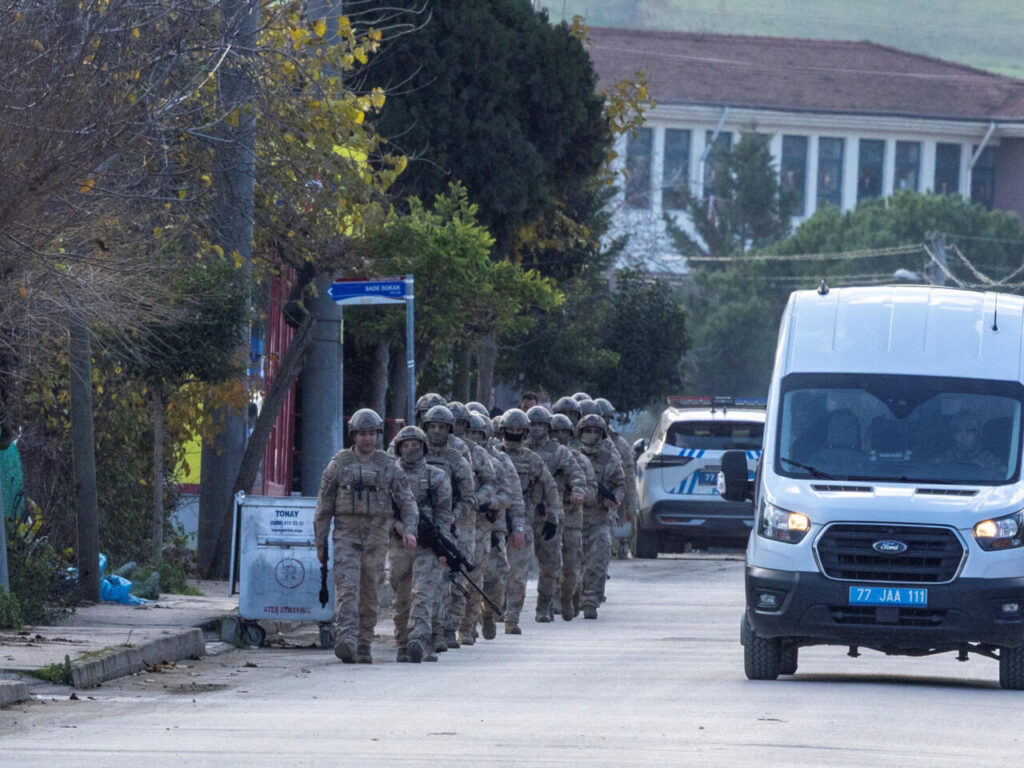
Authorities said they seized a range of materials during the operations, including digital devices, propaganda materials and documentation believed to be associated with recruitment and communication channels. Some suspects were also accused of involvement in financial transactions that allegedly supported extremist operations, although detailed evidence for specific acts has not been made public. Prosecutors are expected to seek formal charges related to membership in a terrorist organisation and facilitation of extremist activity.
Turkey’s geography and its proximity to conflict zones in the Middle East have long shaped its counterterrorism priorities. Ankara has faced a range of threats from various armed groups over the past decade, and Islamic State affiliates have been among the most persistent, adapting their methods through clandestine communication and recruitment strategies. The presence of foreign fighters returning or transiting through Turkish territory has added further complexity to security operations, prompting sustained efforts to monitor and intercept suspicious activity.
The current detentions come as part of a pattern of periodic security campaigns that Turkish authorities describe as necessary to safeguard public safety. In recent years, police and intelligence services have conducted similar operations targeting suspected Islamic State operatives, as well as individuals linked to other extremist organisations. These efforts often involve interagency collaboration between national police, gendarmerie units and counterterrorism divisions tasked with analysing both online and offline networks.
Officials framed the latest sweep as evidence of Turkey’s resolve in confronting radicalism and preventing violence. Senior government spokespeople underscored that maintaining security requires constant vigilance, particularly in an era where extremist ideologies can spread through social media and encrypted platforms. The authorities reiterated their commitment to balancing civil liberties with security imperatives, insisting that detentions followed legal procedures and were based on credible intelligence.
Critics caution, however, that broad crackdowns can risk civil liberties when definitions of extremist support are applied expansively. Human rights organisations have previously expressed concern about the potential for abuse in counterterrorism arrests, especially when evidence is not transparently disclosed or when detainees include individuals accused of minor or indirect associations. The tension between security measures and rights protections remains a point of contention in public and legal debates.
For now, the focus remains on the judicial process, where prosecutors must present evidence to secure formal indictments. Turkey’s courts will assess whether the detentions translate into prosecutable cases under anti-terrorism legislation, a process that can be lengthy and subject to scrutiny from both domestic observers and international watchdogs.
The operation also highlights the broader regional context in which Turkey conducts its security policies. Conflicts in neighbouring parts of the Middle East, the movement of displaced populations and the persistence of extremist ideologies all intersect with Ankara’s domestic priorities. Efforts to counter Islamic State networks are part of a wider strategy that also engages diplomatic channels and international cooperation, particularly with Western and regional partners focused on stabilisation and counter-radicalisation.
As the legal proceedings unfold, the 125 detentions serve as a reminder of the continued presence and adaptation of extremist threats. The success of such operations is measured not only by arrests but by the ability of institutions to dismantle support infrastructures and prevent future acts of violence, a complex task in an environment where ideology, geography and technology intersect.
Detrás de cada dato, hay una intención. Detrás de cada silencio, una estructura.
Behind every data point, there is an intention. Behind every silence, a structure.