

 Phoenix 24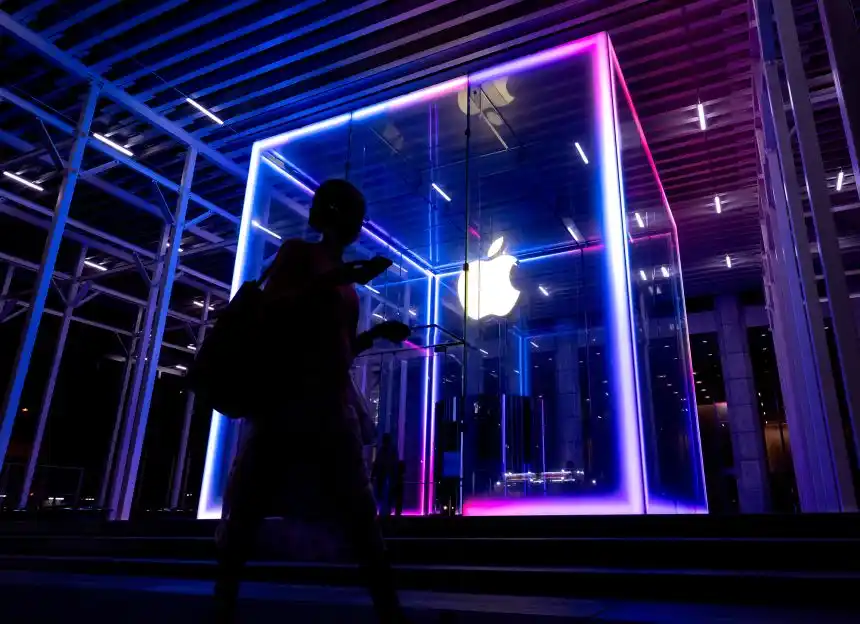
The departure of four senior executives follows internal challenges surrounding Apple Intelligence and highlights pressure on one of the world’s most influential technology companies to deliver on its artificial intelligence strategy.
Cupertino, December 2025, Apple Inc. is undergoing a notable shift in its executive ranks as four senior leaders have left the company amid ongoing challenges related to its artificial intelligence initiative, known as Apple Intelligence. The departures underscore internal tensions and strategic recalibrations at a moment when the competitive landscape for AI technologies is intensifying rapidly, prompting stakeholders to scrutinize how the company is positioning itself in a field dominated by rapid innovation and aggressive rivals.
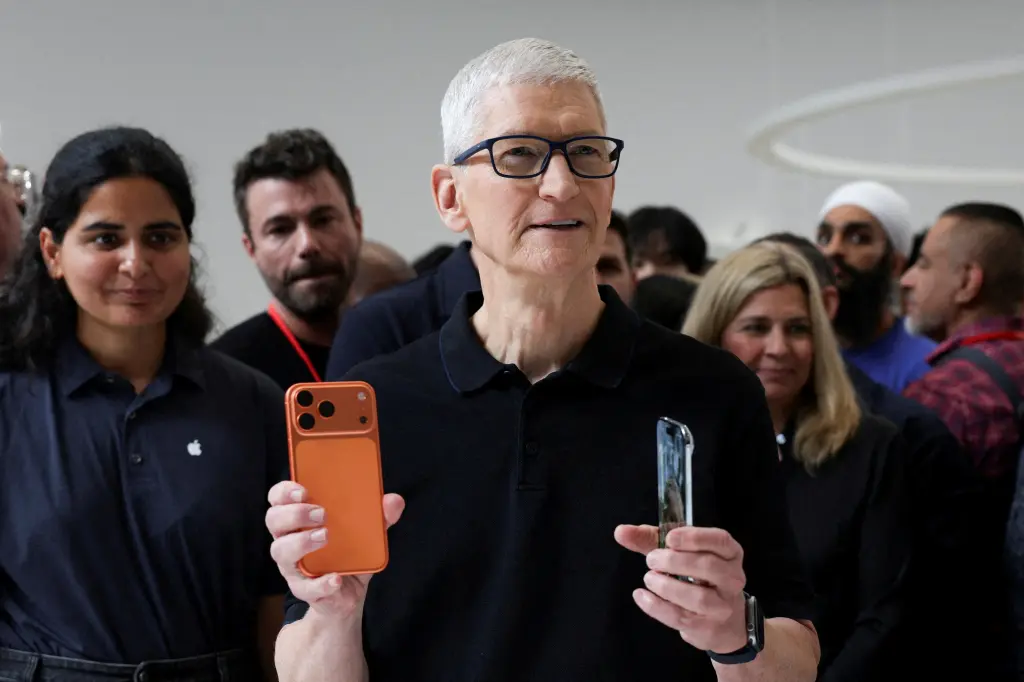
The executives who left represented key roles in areas connected to the design, development and strategic integration of Apple Intelligence across the company’s ecosystem of products and services. Though specific reasons for each departure vary, people familiar with the situation describe a combination of frustration over technical setbacks, differing visions about the future of AI integration, and the high expectations placed on leadership to deliver groundbreaking results in a market where competitors are moving aggressively.
Apple Intelligence was introduced as the company’s flagship initiative to bring advanced generative artificial intelligence capabilities to its hardware and software platforms, aiming to enhance user experiences through personalized assistance, context-aware computing and seamless integration across devices. Initial demonstrations generated interest and speculation, but as the rollout progressed, users and developers encountered limitations that prompted criticism about performance gaps, feature consistency and the pace of improvements.
The executive exits follow a series of reports indicating that some of the early iterations of Apple’s AI tools did not meet internal benchmarks or external expectations. Insiders say that discussions around product strategy and technical direction became increasingly fraught as the company sought to balance innovation with its longstanding emphasis on privacy, security and user control. These priorities, central to Apple’s brand identity, have posed unique challenges for incorporating data-driven AI features in a way that aligns with its philosophy.
Industry analysts note that while many companies have pursued AI with a singular focus on speed and scale, Apple’s cautious approach has created tension between ambitious goals and the need to maintain user trust. The departures of high-level executives may reflect internal debates about how to reconcile these priorities, as well as differing perspectives on the technical roadmap for AI development within the company.
Investors and market watchers responded to the news with a mixture of concern and cautious optimism. Some see the leadership changes as symptomatic of broader growing pains as Apple moves to strengthen its presence in an area that has become a defining focus for the entire technology sector. Others believe that new leadership could inject fresh momentum and alignment, offering opportunities to refine the strategy and accelerate progress.
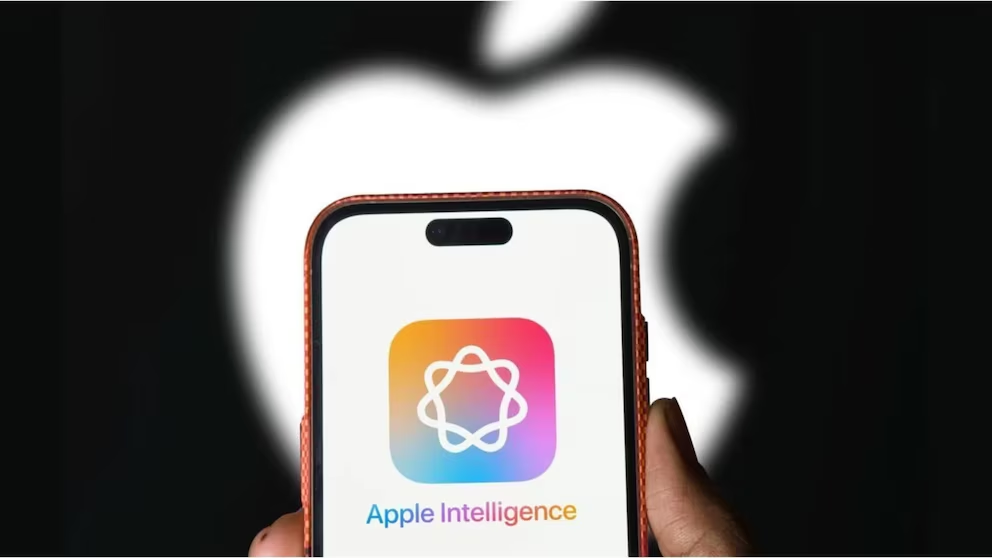
Although Apple did not publicly disclose the full details of the executive departures, company representatives have reiterated their commitment to advancing Apple Intelligence and integrating AI features in ways that respect user privacy and system security. This message aligns with long-held principles but also raises questions about how the company will address competitive pressures while remaining true to its core values.
For years, Apple’s approach to technology innovation has emphasized careful integration, polished end-user experiences, and incremental yet impactful improvements. This methodology has served the company well in areas such as hardware design, operating system continuity and device ecosystem integration. However, artificial intelligence represents a different frontier, one where rapid iteration and real-time learning are often critical to relevance and adoption.
The executives who left oversaw teams responsible for key components of Apple’s AI strategy, including software engineering, system architecture, and user experience design for AI-powered features. Their departure comes at a time when AI capabilities have become essential elements of competitive differentiation in consumer technology, shaping how digital assistants perform, how recommendations are generated, and how devices anticipate user needs.
Beyond internal dynamics, Apple’s AI efforts must also contend with immediate competitive pressures. Rivals have introduced increasingly sophisticated AI tools that leverage extensive data processing, real-time updates and expansive third party integrations. These features stand in contrast to Apple’s more controlled ecosystem, which limits how external data is used and how services interact with applications outside its network.
Some observers argue that Apple’s strength has always been in seamless user experience rather than raw technological horsepower. Integrating artificial intelligence in a way that enhances that experience while preserving data privacy poses a strategic balancing act. The recent leadership departures highlight just how complex that balancing act can be, especially when mixed with the expectations of investors, developers and end users.
The company’s stock performance saw mild volatility in the wake of the announcements, as market participants weighed the implications of executive turnover against the long-term prospects of AI integration within Apple’s product lines. Market analysts emphasize that leadership changes are common in major technology firms, particularly during periods of strategic evolution, but the high profile of the executives involved underscores the importance of Apple’s AI agenda.
Looking ahead, Apple faces both challenges and opportunities. The company must refine its internal structures for AI development, clarify its long term roadmap and ensure that new leadership can accelerate progress without compromising the user experience that has defined its brand. The coming months are likely to include renewed efforts to clarify product timelines, enhance developer tools and communicate more transparently with the public about future AI enhancements.
At the same time, industry trends suggest that artificial intelligence will only continue to expand in scope and influence, shaping everything from mobile interfaces to cloud services, and redefining expectations for interactive technology. Apple’s success in navigating this transition will depend on its ability to harmonize innovation with its established principles of security and user privacy, while also adapting to competitive realities.
Behind every data point, there is an intention. Behind every silence, there is a structure.
Detrás de cada dato, hay una intención. Detrás de cada silencio, una estructura.