

 Phoenix 24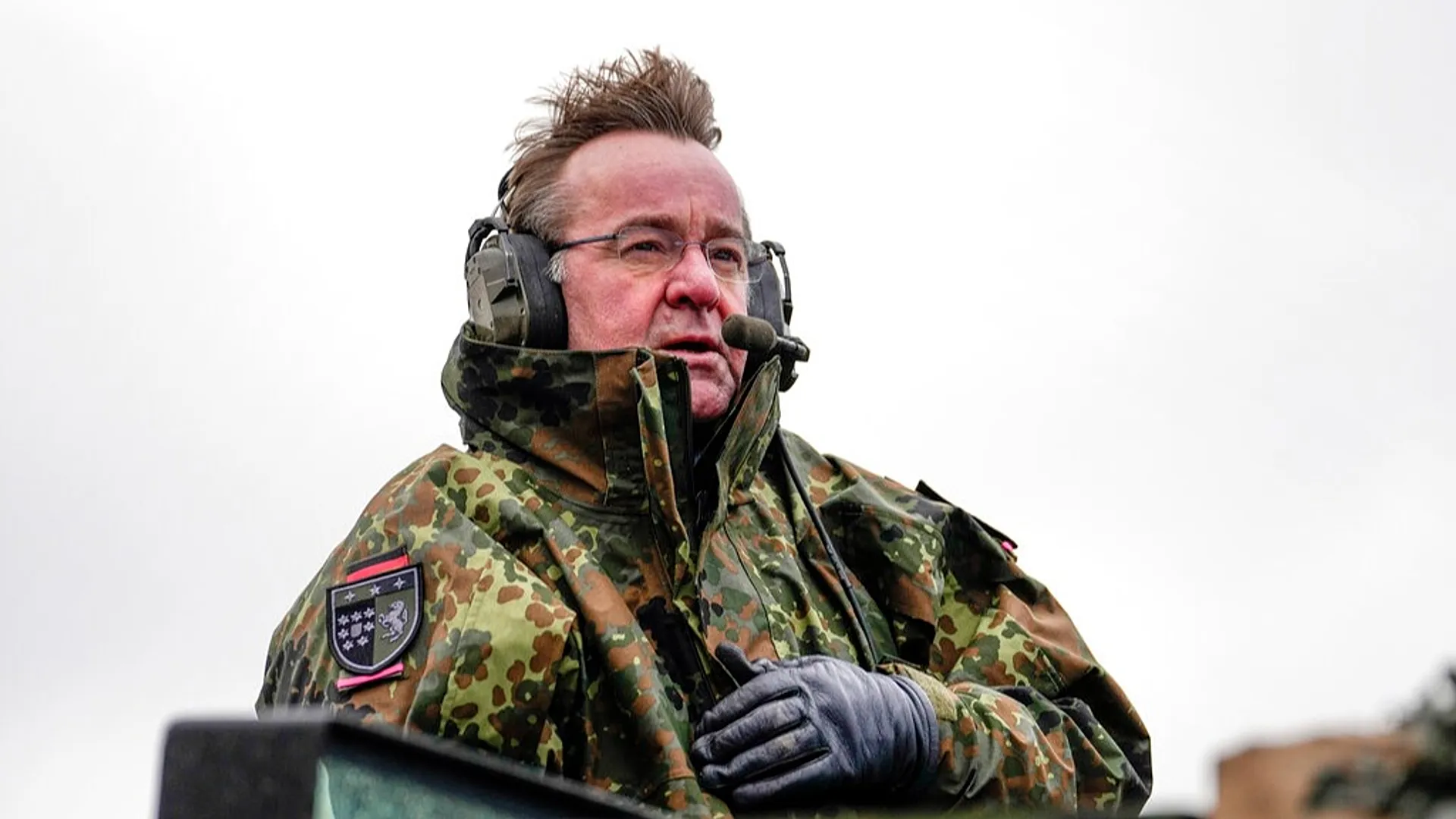
What began as an emergency response has evolved into a structural transformation of German power.
Berlin, December 2025
Germany is undergoing one of the most consequential military transformations in its post war history. What was once a deliberately restrained defense posture has given way to an unprecedented cycle of procurement, modernization, and strategic recalibration. In 2025 alone, Berlin approved record levels of arms purchases and long term defense contracts, signaling that the shift triggered by recent geopolitical shocks is no longer temporary but systemic.
At the center of this transformation lies the Bundeswehr’s accelerated modernization program. German authorities authorized a historic number of acquisition projects during the year, covering land, air, naval, and digital domains. These purchases include armored vehicles, air defense systems, logistics platforms, communications infrastructure, and personal equipment for troops. The scale of spending reflects not only urgency but also a political decision to close long acknowledged capability gaps that had accumulated over decades of underinvestment.
This surge is closely linked to the strategic doctrine known domestically as Zeitenwende, the turning point announced after Russia’s invasion of Ukraine. What initially appeared as an exceptional response to an extraordinary crisis has since solidified into a new baseline for German defense policy. Parliamentary approval of additional multiyear contracts suggests that defense expenditure is being normalized at levels previously considered politically unattainable.
From a European perspective, Germany’s rearmament carries weight well beyond its borders. As the continent’s largest economy, Berlin’s choices shape collective defense dynamics within NATO and the European Union. According to assessments from NATO aligned defense analysts, Germany’s increased spending contributes significantly to reinforcing the alliance’s eastern flank and redistributing the burden of deterrence more evenly among European members.
The industrial implications are equally significant. German defense manufacturers, alongside European partners, are benefiting from sustained demand driven by long term procurement planning. At the same time, Berlin continues to balance domestic production with strategic purchases from allied suppliers to ensure interoperability within NATO frameworks. This dual approach reflects broader European debates about defense autonomy, industrial resilience, and strategic dependence.
Yet the acceleration has not been without friction. Within Germany, critics have raised concerns over procurement efficiency, bureaucratic bottlenecks, and civilian oversight. Transparency advocates argue that the speed of approvals risks weakening parliamentary scrutiny, particularly as defense contracts grow in size and complexity. Economists have also questioned how sustained military spending will interact with fiscal pressures stemming from inflation, energy costs, and demographic change.
From an international vantage point, observers in Asia and the Middle East view Germany’s shift as emblematic of a broader European awakening. For decades, Germany’s military restraint was perceived as a defining feature of its post war identity. Its current trajectory suggests a recalibration of that identity, one in which economic power and military capability are increasingly aligned. Analysts at Asian security institutes note that this shift may alter perceptions of Europe as a security actor, particularly in regions where deterrence credibility remains central.
The strategic logic underpinning Berlin’s decisions is rooted in deterrence rather than projection. German officials have emphasized that modernization is intended to ensure readiness, territorial defense, and alliance commitments, not unilateral power projection. Nevertheless, the scale of investment inevitably elevates Germany’s influence within European security debates, whether intentionally or not.
Beyond hardware, the modernization effort exposes deeper institutional challenges. Recruiting and retaining skilled personnel, integrating new technologies, and adapting military culture to rapidly changing threat environments remain ongoing tasks. Defense experts caution that procurement alone cannot resolve structural weaknesses without parallel reforms in training, command structures, and civil military coordination.
As Europe faces an increasingly fragmented security landscape, Germany’s record armament purchases signal a departure from the strategic minimalism of the past. The Bundeswehr is no longer being rebuilt as a symbolic force but as a central pillar of continental defense architecture. Whether this transformation achieves its intended stability will depend not only on budgets and contracts, but on governance, coordination, and sustained political consensus.
Germany’s rearmament is therefore not merely a national policy shift. It is a signal to allies, adversaries, and markets that Europe’s center of gravity is redefining its relationship with power, responsibility, and risk in a far less predictable world.
Hechos que no se doblan.
Facts that do not bend.