

 Phoenix 24
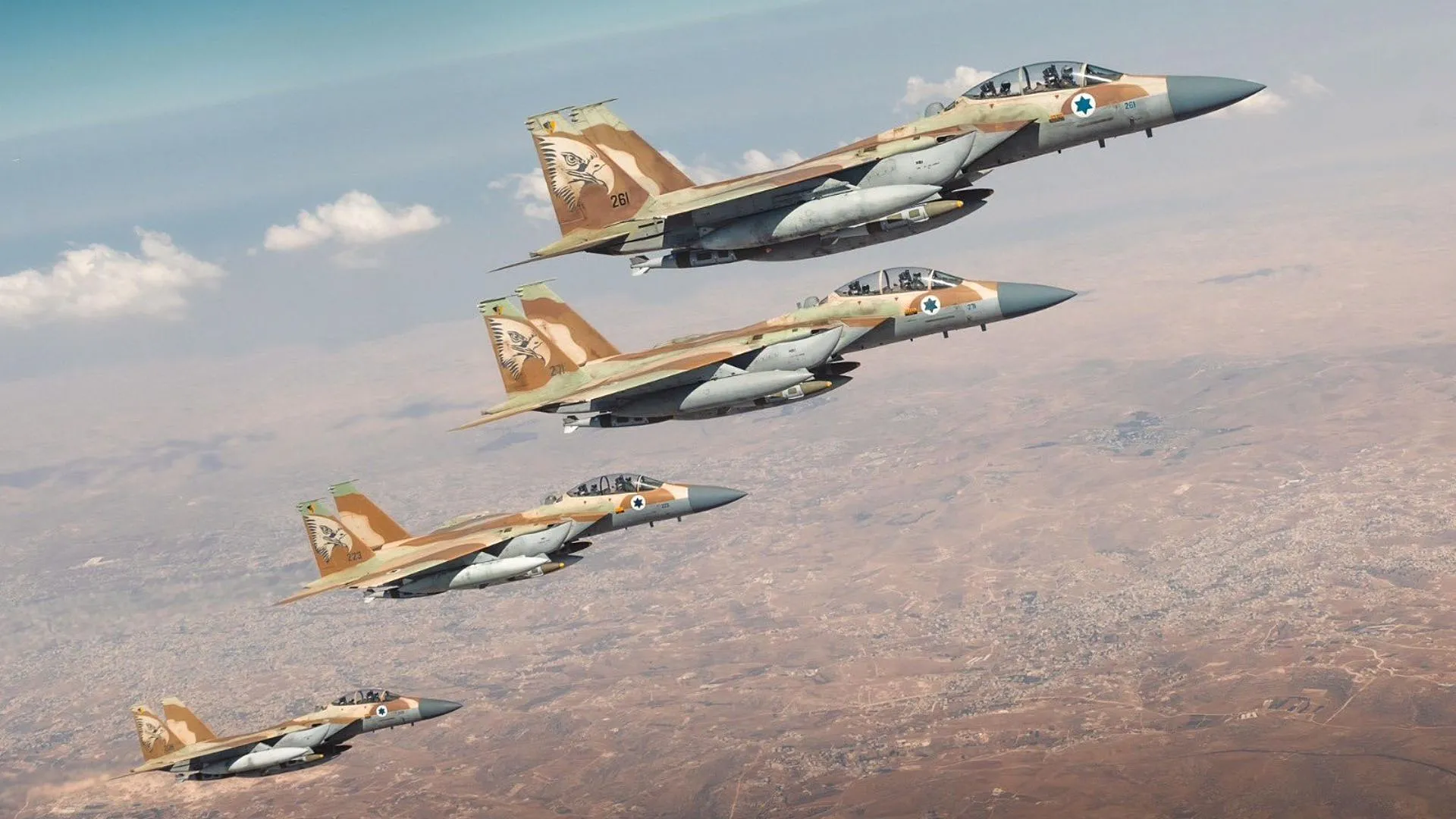
When the calculus of force collides with diplomacy, strategic ambiguity narrows and consequences multiply.
Washington, December 2025
Israeli Prime Minister Benjamin Netanyahu is reportedly preparing to present the United States with several possible military courses of action against Iran, amid growing concern in Jerusalem over Tehran’s advancing missile capabilities and the restoration of key elements of its nuclear infrastructure. Officials familiar with the discussions indicate that the Israeli government views the current moment as a narrowing window in which strategic decisions could alter the regional balance before Iran consolidates further deterrence capacity.
According to individuals briefed on the matter, Netanyahu intends to outline a range of operational scenarios that differ in scale, leadership and level of American involvement. One option under consideration is an Israeli strike conducted independently, aimed at damaging Iranian nuclear and missile facilities without direct U.S. participation. Another scenario would involve Israeli action supported indirectly by the United States through intelligence sharing, logistical coordination or defensive coverage. A third approach would contemplate a joint operation, combining Israeli regional proximity and planning with U.S. military reach and technological assets. A fourth possibility would see the United States take the lead militarily, with Israel operating in a supporting role. These alternatives reflect ongoing consultations between Israeli and American officials about how to respond should diplomatic efforts fail to constrain Iran’s strategic programs.
Israeli security assessments indicate that recent strikes earlier in the year have not eliminated Iran’s capacity to rebuild or conceal critical infrastructure. Intelligence evaluations suggest that Tehran has continued work on enrichment capabilities and missile production, reinforcing concerns that time is working in Iran’s favor. For Israeli leadership, these developments are framed as both a military and political challenge, particularly as Iran signals resilience despite international pressure.
The United States administration has publicly emphasized that diplomacy remains the preferred pathway, while also reiterating its commitment to preventing Iran from acquiring capabilities that could destabilize the region or threaten Israel’s security. This dual posture reflects longstanding tensions in U.S. policy between deterrence and de escalation. American officials are reportedly cautious about the risks of escalation, including the potential for regional spillover, disruption of global energy markets and retaliation through proxy networks.
Iranian officials, for their part, continue to assert that their nuclear program is civilian in nature, while warning that any military attack would provoke a significant response. Public statements from Tehran have emphasized preparedness and deterrence, reinforcing the perception that any strike could trigger a broader confrontation extending beyond direct Israeli Iranian engagement.
Analysts note that each option under discussion carries distinct strategic trade offs. An Israeli only operation underscores autonomy but risks diplomatic isolation and heightened retaliation. A joint operation enhances military effectiveness and legitimacy but deepens American involvement in an already volatile theater. Limited U.S. support creates ambiguity that may complicate both execution and messaging. A U.S. led strike places Washington at the center of escalation dynamics, demanding broad political consensus and long term strategic commitment.
As Netanyahu prepares to engage U.S. leadership on these options, the discussions highlight the increasingly blurred line between military planning and diplomatic leverage. The coming decisions will test alliance cohesion, regional stability and the capacity of international mechanisms to prevent a shift from pressure to open conflict.
Phoenix24. The visible and the hidden, in context. / Phoenix24. Lo visible y lo oculto, en contexto.