

 Phoenix 24
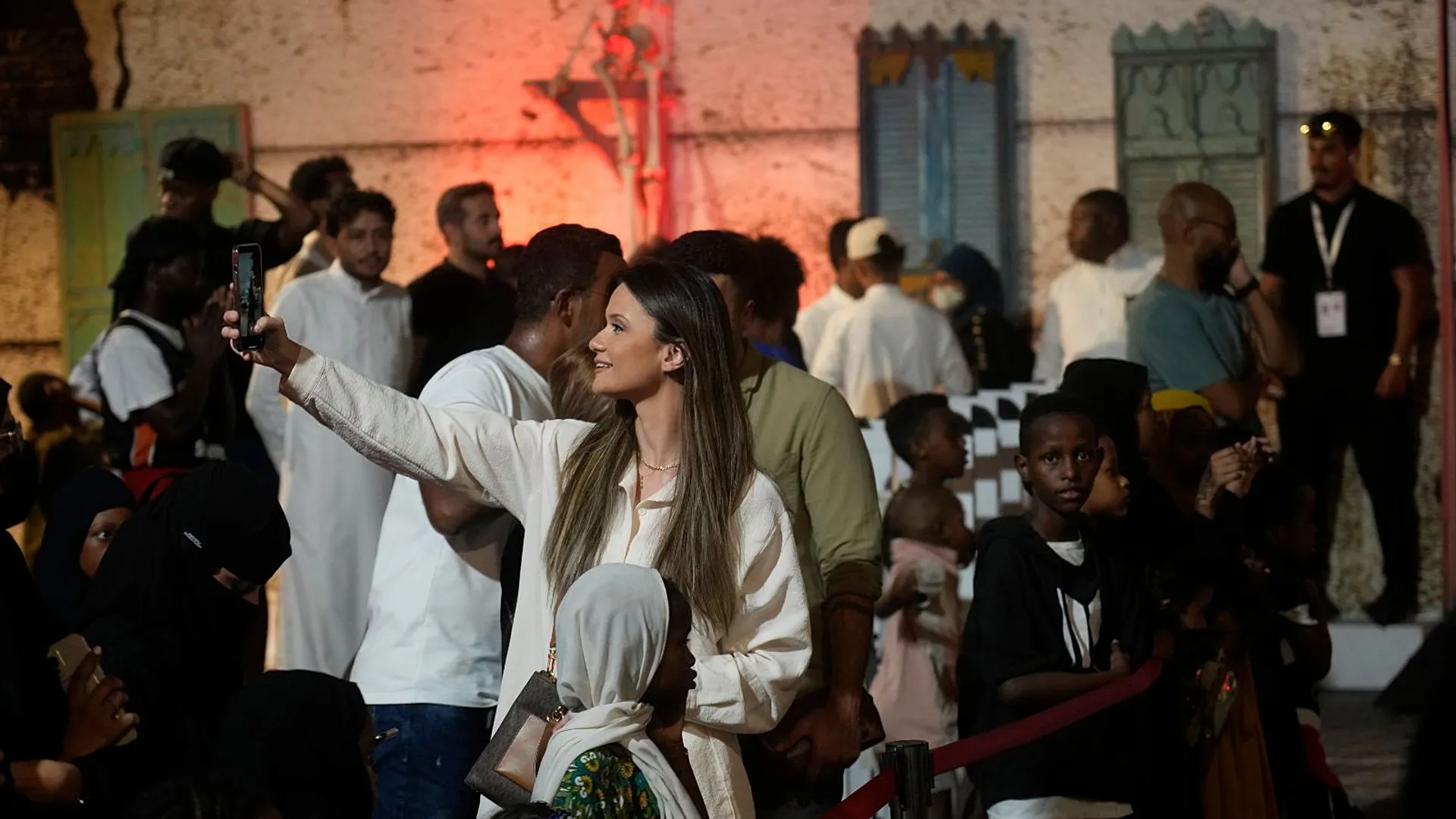
When cultural norms intersect with economic adaptation, the rules of daily life reflect negotiation between tradition and change.
Riyadh, December 2025
Authorities in Riyadh have clarified that the sale of alcoholic beverages within the capital will be permitted only to non-Muslim foreigners, a policy framed as balancing cultural values with the expansion of tourism and international engagement. The announcement follows months of evolving regulations aimed at recalibrating Saudi Arabia’s social landscape as part of broader economic diversification efforts. Saudi officials emphasised that the decision respects local sensibilities while accommodating the expectations of visitors and expatriate residents whose lifestyles differ from those of the majority.
Under the new arrangement, licensed establishments catering to foreign guests can serve alcoholic drinks, but transactions are restricted to individuals who can demonstrate non-Muslim status. Verification processes include documentation reviewed at points of sale to ensure compliance with the policy. Government spokespeople explained that these measures are designed to uphold respect for Islamic principles, which traditionally prohibit alcohol consumption for Muslims, while also facilitating an environment attractive to international business and leisure travellers. The clarification aims to prevent confusion and ensure that both residents and visitors understand the scope and limits of the policy.
Observers note that this development reflects a gradual adjustment in the kingdom’s approach to lifestyle regulations. In recent years, Saudi Arabia has opened new cultural venues, expanded entertainment offerings and hosted international events as part of a strategy to attract global audiences and investors. The sale of alcohol to specific categories of non-Muslim guests is seen by some analysts as a pragmatic step aligned with the goal of making the country more accommodating to diverse populations, particularly in urban centres with significant expatriate communities.
At the same time, the policy underscores the sensitive balancing act between modernization and tradition. Islamic law, which influences public policy in Saudi Arabia, prohibits the consumption of alcoholic beverages by Muslims. Authorities have reiterated that the updated regulations do not alter the religious or legal framework for citizens or residents who adhere to Islam. Enforcement measures remain in place to ensure that alcohol remains inaccessible to those for whom it is prohibited, and public messaging emphasises communal respect and cultural understanding.
Tourism industry representatives have welcomed the clarification, suggesting that clear rules can enhance visitor confidence and promote economic activity in hospitality sectors. International business organisations pointed to the importance of predictable regulatory environments for planning conferences, corporate travel and long-term assignments. For expatriates living in Riyadh, the policy has been interpreted as an indication that social accommodations can evolve in ways that acknowledge the presence of diverse communities, while still anchoring public life within established cultural norms.
Critics of the policy have raised questions about potential social tensions and the administrative burden of verification at points of sale. Some commentators argue that confining alcohol consumption to certain groups could create divisions or misunderstandings if not implemented with sensitivity and clear communication. Authorities have responded by emphasising training for vendors and guidelines for respectful interaction, while urging residents and visitors alike to engage with the policy in good faith.
The broader context of social change in Saudi Arabia includes a series of reforms and cultural openings that have transformed aspects of public life in recent years. From expanded entertainment options to new visa policies aimed at diversifying the economy, the kingdom has signalled an intention to participate more fully in global culture while maintaining core values. The focused allowance for alcohol sales to non-Muslim foreigners is part of that larger narrative, reflecting an incremental approach to accommodating diverse expectations without undermining foundational principles.
For residents and visitors in Riyadh, the policy brings clarity at a time when the city is increasingly a nexus for international interaction. How the rules are applied in practice and how communities respond will shape perceptions of social adaptability and governance. In a region where cultural continuity and economic innovation coexist, the debate over alcohol sales offers a lens into the ongoing negotiation of identity and openness.
Phoenix24. The visible and the hidden, in context. / Phoenix24. Lo visible y lo oculto, en contexto.