

 Phoenix 24
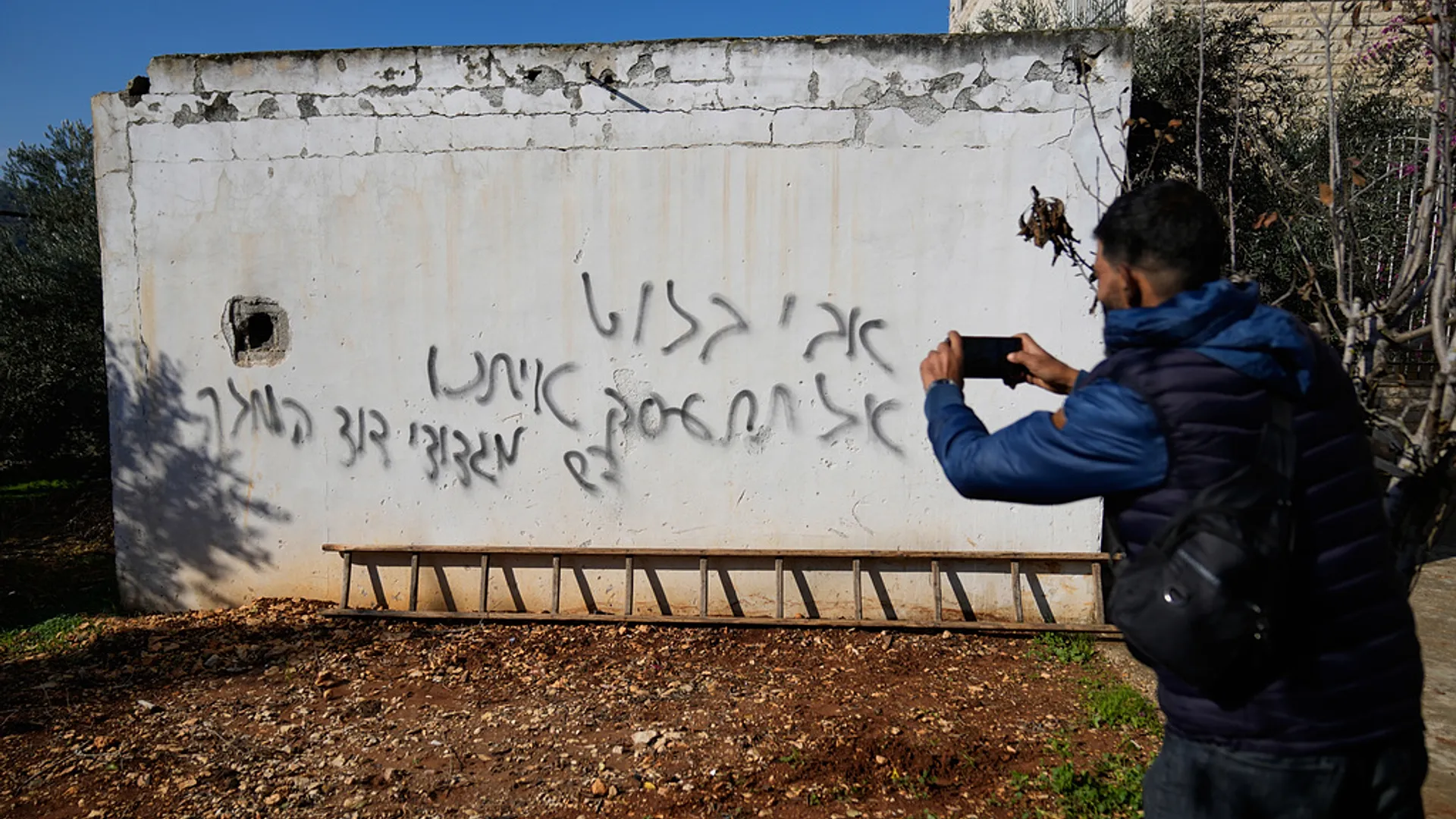
When decisions redraw territory through policy, political realities harden on the ground.
Jerusalem, December 2025
Israel’s government has approved a proposal to establish nineteen new Jewish settlements in the West Bank, a move that significantly expands civilian presence in a territory that remains central to one of the world’s longest standing conflicts. The decision was endorsed by the security cabinet and reflects the priorities of the current governing coalition, which has placed settlement expansion at the core of its territorial and political agenda. Israeli officials described the measure as part of a broader effort to consolidate administrative control and support population growth in areas under Israeli authority.
The approved settlements include locations that had previously been evacuated as well as areas that until now lacked formal recognition. Government representatives argued that formalizing these sites provides legal clarity, infrastructure development and improved security coordination. Supporters within Israel view the move as a continuation of historical claims and a response to demographic and strategic considerations, particularly in zones perceived as vital to national security.
The announcement triggered immediate condemnation from Palestinian authorities, who described the decision as a direct blow to prospects for a negotiated political settlement. Palestinian officials warned that expanding settlements further fragments the territory of the West Bank, complicating governance and daily life while eroding the geographic continuity envisioned for a future Palestinian state. Civil society groups echoed these concerns, emphasizing the social and economic strain placed on Palestinian communities as settlement activity expands.
International reactions were swift and critical. Governments and multilateral bodies reiterated longstanding positions that settlement construction in occupied territory violates international legal frameworks and undermines diplomatic efforts aimed at conflict resolution. Calls for restraint and renewed negotiations accompanied warnings that unilateral actions risk entrenching instability rather than advancing peace. The decision adds strain to relations between Israel and several of its partners, who continue to frame settlement activity as a central obstacle to de escalation.
Within Israel, the approval has also deepened domestic debate. While coalition leaders defended the move as a sovereign decision aligned with voter mandates, opposition figures cautioned that accelerated settlement expansion risks isolating Israel diplomatically and fueling cycles of violence. Analysts note that the settlement issue has become both a domestic political instrument and a flashpoint in Israel’s external relations, intertwining internal governance with regional diplomacy.
The timing of the approval coincides with heightened tensions across the region, including sporadic violence in the West Bank and broader instability linked to ongoing conflicts nearby. For residents on both sides, the settlement decision carries immediate implications, from land use disputes to increased security measures and restrictions on movement. These dynamics reinforce the perception that political decisions taken at the national level translate directly into lived realities on the ground.
As international actors continue to call for dialogue, the authorization of nineteen new settlements signals a strategic direction that prioritizes territorial consolidation over negotiated compromise. Whether this approach strengthens Israel’s internal cohesion or deepens long term conflict remains a central question shaping regional discourse. What is clear is that the settlement expansion further hardens positions at a moment when diplomatic space is already constrained.
Phoenix24. The visible and the hidden, in context. / Phoenix24. Lo visible y lo oculto, en contexto.