

 Phoenix 24
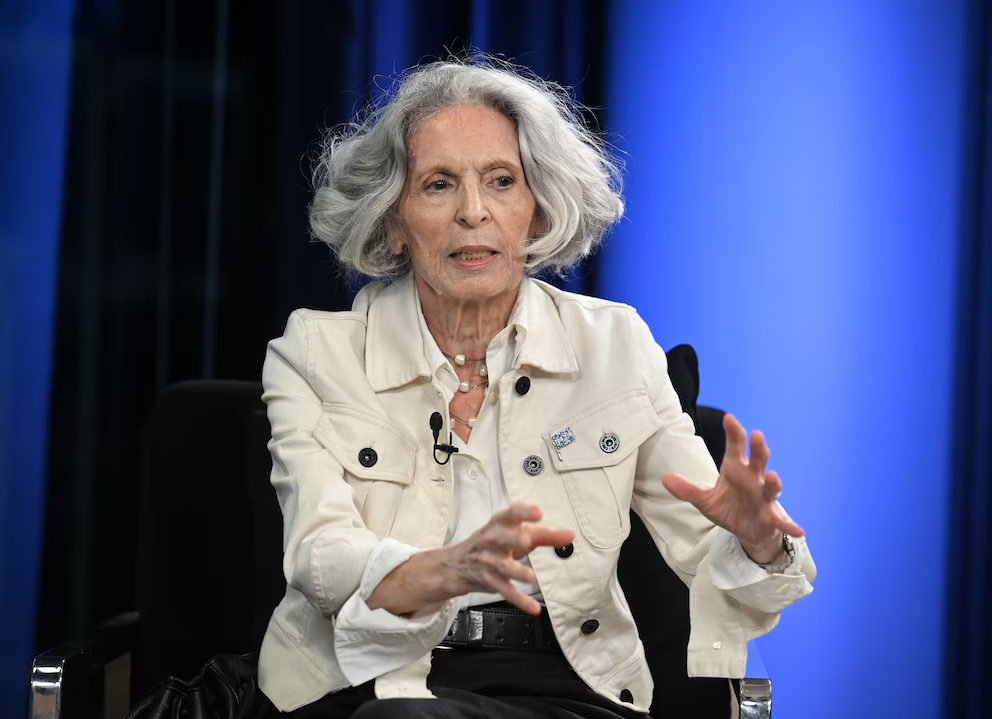
When ageing becomes an art, youth is no longer the sole measure of value.
Buenos Aires, December 2025
Cecilia Absatz, a respected voice in cultural commentary and social observation, has articulated a perspective that reframes ageing as a creative and liberating process rather than a decline to be mitigated. In her latest reflections, she suggests that the key to ageing well lies not in clinging to youth but in embracing the unique opportunities that later stages of life provide. Her stance challenges pervasive cultural narratives that equate ageing with loss and positions it instead as a phase rich with potential for self-discovery, contribution and aesthetic growth.
Absatz’s philosophy emerges from a lifetime of engagement with artistic communities, intellectual circles and intergenerational dialogues. She observes that societies have historically undervalued the lives of older adults by prioritising aesthetics and productivity associated with young adulthood. That prioritisation, she notes, often obscures the depth of experience, perspective and emotional nuance that can flourish with age. By inviting audiences to shift the frame, Absatz encourages a cultural conversation that validates the lived complexity of later life.
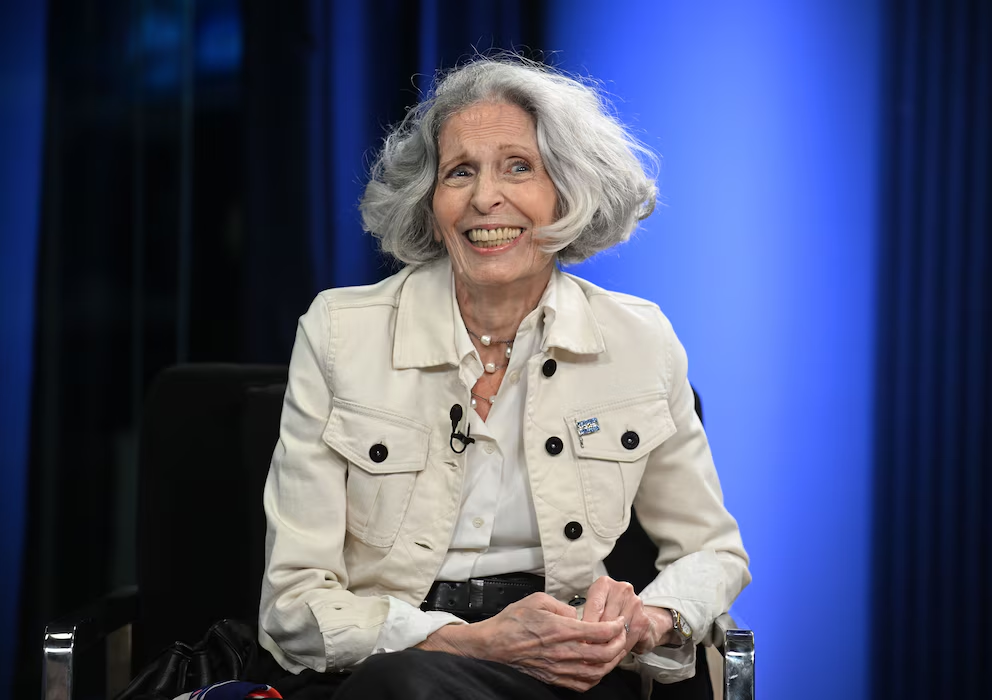
In her view, resisting the pressure to look or act young is not a rejection of vitality but a declaration of authenticity. She argues that viewing ageing as an art form allows individuals to cultivate resilience, narrative continuity and a broader sense of purpose. Through this lens, wrinkles, lines and changes in physical stamina cease to be markers of loss and become instead part of a person’s evolving aesthetic. The emphasis moves from preservation of youth to the expression of a self that has been shaped by encounters, choices and time.
Absatz’s reflections resonate particularly in societies experiencing demographic shifts toward older populations. As lifespans lengthen and the proportion of adults over sixty grows, cultural frameworks must adapt to encompass the realities of ageing. Herbst’s insights suggest that how communities narrate the process of getting older — whether as decline or growth — has real implications for public policy, workplace dynamics and intergenerational relations. Her commentary invites a broader reconsideration of how age intersects with identity, creativity and belonging.
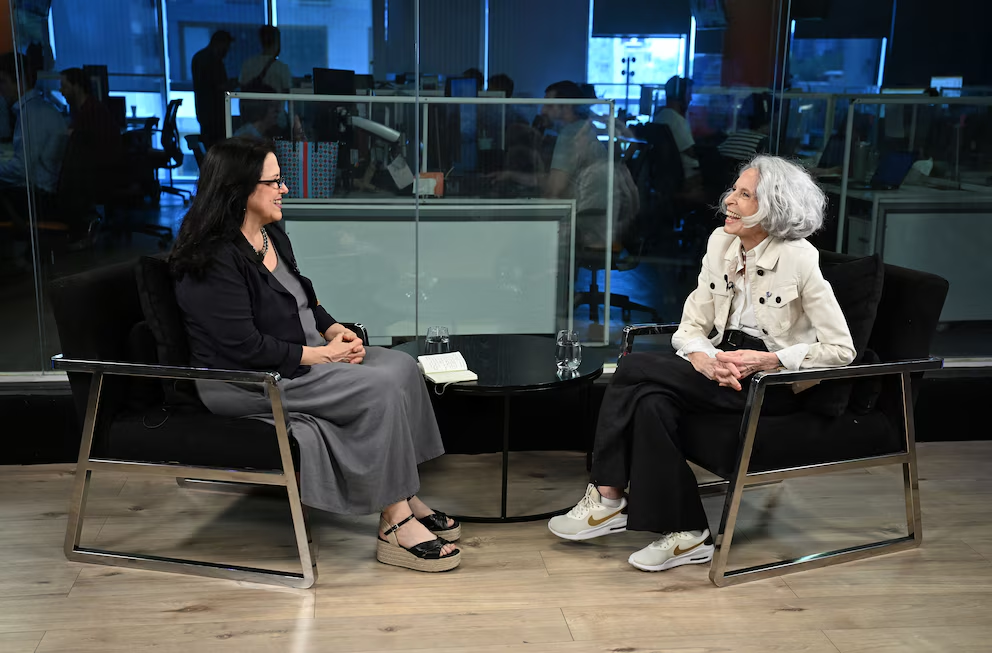
Her perspective also touches on the psychological dimensions of ageing. She highlights the tension between internal self-perception and external societal expectations, a friction that can intensify as cultural messages overwhelmingly valorise youth. By advocating for a conscious artistic approach to ageing, she underscores the importance of internal coherence and self-defined meaning. For many, this reframing offers a route to emotional equilibrium in a cultural climate that often privileges novelty over depth.
Critics of age-affirming narratives sometimes argue that societal pressures are too entrenched for a simple shift in perspective to make a substantive difference. Absatz acknowledges these challenges while insisting that transformation begins at the level of individual consciousness and then ripples outward. Her message is not one of denial but of adaptation — a reallocation of attention from resisting physical change to enriching the inner life that continues to unfold.
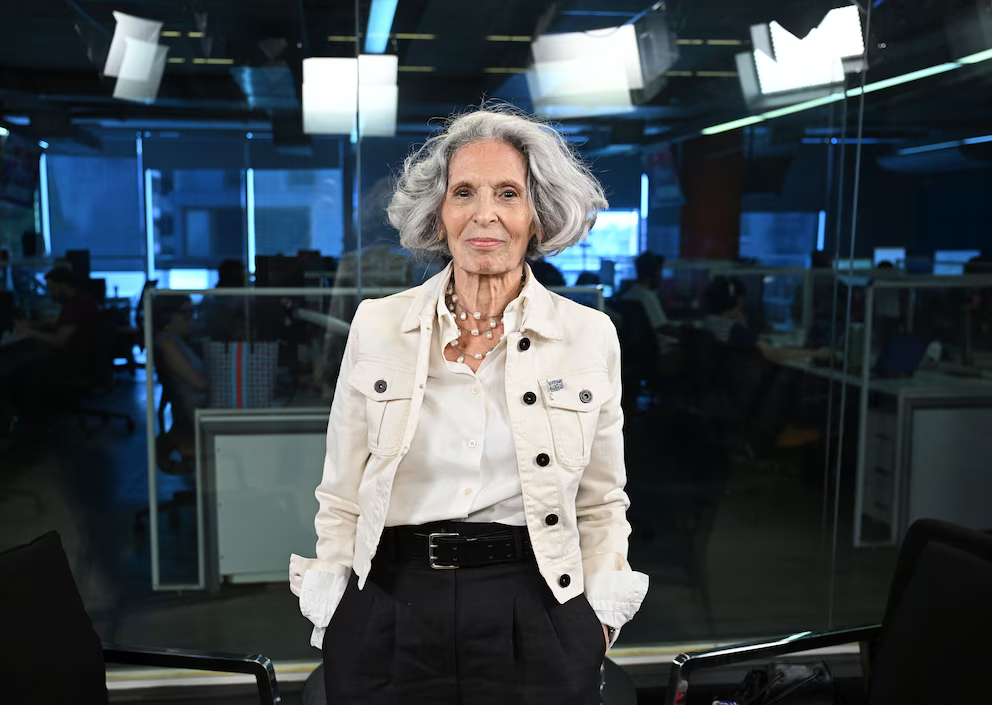
Her reflections have sparked discussion in cultural forums, artistic communities and public conversations about ageing policy. Workshops, panel discussions and literary events have begun to integrate her ideas, exploring how ageing can be reconceived as a dynamic interplay of memory, aspiration and creative expression. Participants in these dialogues emphasise that aging, like art, invites engagement rather than resignation.
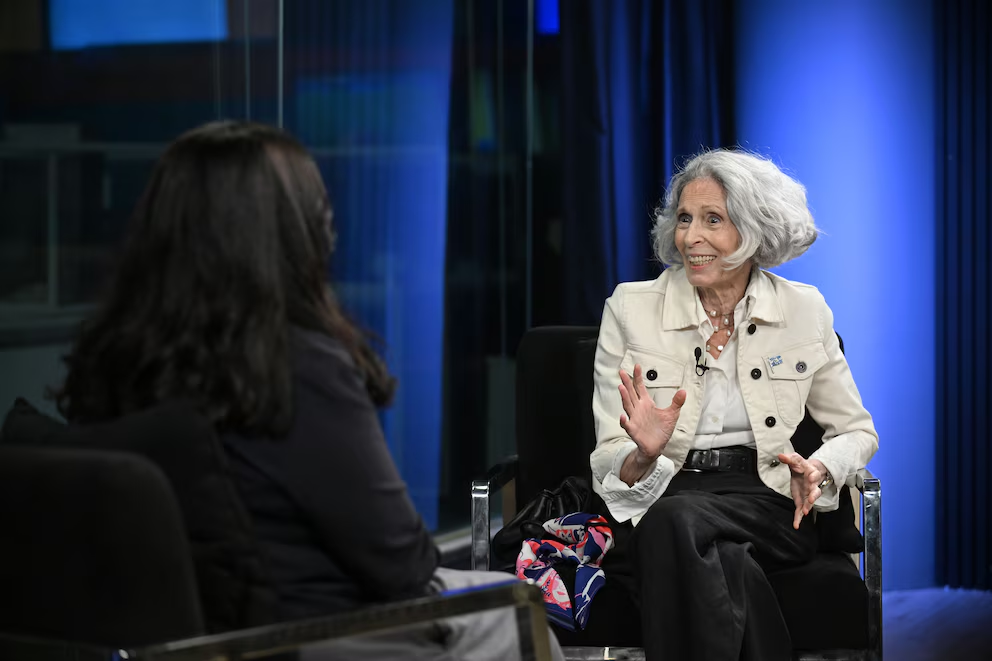
As global populations change and the experience of ageing becomes more central to the human story, voices like Absatz’s contribute to a shift in narrative. They remind us that ageing need not be a retreat into irrelevance but can instead become a terrain where wisdom, imagination and aesthetic presence converge. In her telling, the art of ageing reveals that the port of maturity may indeed be less a final stop than a new chapter of perpetual creation.
Phoenix24. The visible and the hidden, in context. / Phoenix24. Lo visible y lo oculto, en contexto.