

 Phoenix 24
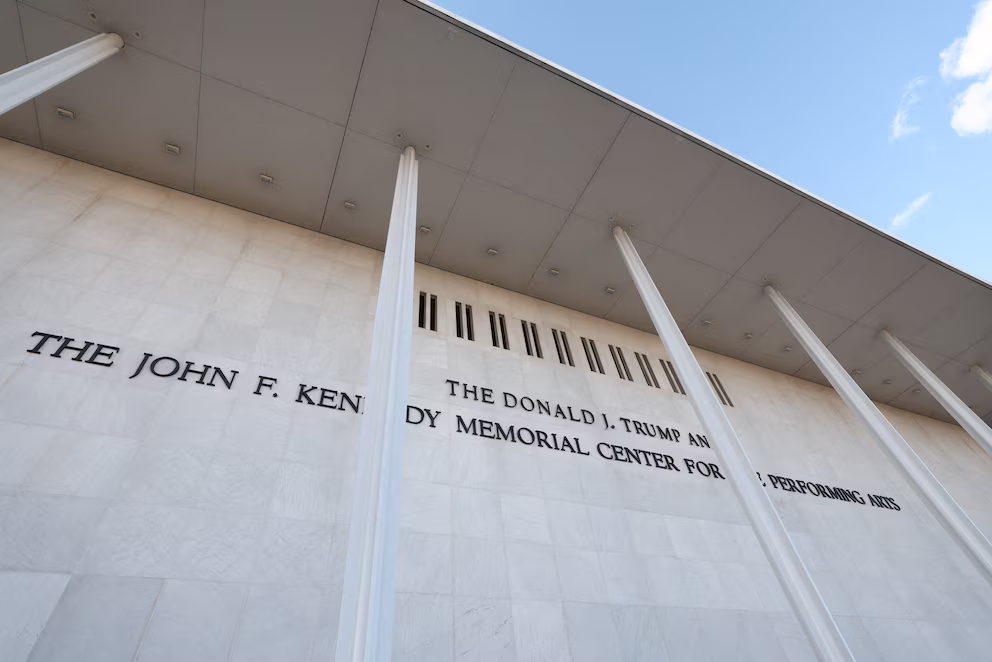
When monuments shift meaning, culture and politics collide in the same frame.
Washington, December 2025
A sculpture installed on the main façade of the John F. Kennedy Center for the Performing Arts has sparked an intense cultural debate after its unveiling became public. The bust of former U.S. president Donald Trump was placed without widespread consultation, prompting immediate reactions from artists, audiences and cultural critics. Supporters argued that the series of portraits spanning modern American leadership makes room for diverse figures, while opponents called the addition incongruous with the institution’s mission and historical symbolism. Within hours, discussions about art, politics and collective memory permeated social media, editorial pages and corridors of cultural institutions, revealing how public art can become a lightning rod for broader disputes over identity, legacy and institutional purpose.
The Kennedy Center, long associated with artistic excellence and national celebration of the performing arts, has welcomed tributes to presidents and cultural icons over decades. Its architecture and curated spaces are designed to reflect values of inclusion, creativity and civic engagement. The introduction of a Trump effigy, however, introduced a new layer of complexity. On one hand, proponents frame the addition as part of a democratic archive that resists erasure of recent leadership. On the other, many critics see it as a political gesture that intersects uneasily with the center’s cultural mandate. They warn that conflating political figures with artistic commemoration risks diminishing the independence of artistic institutions.
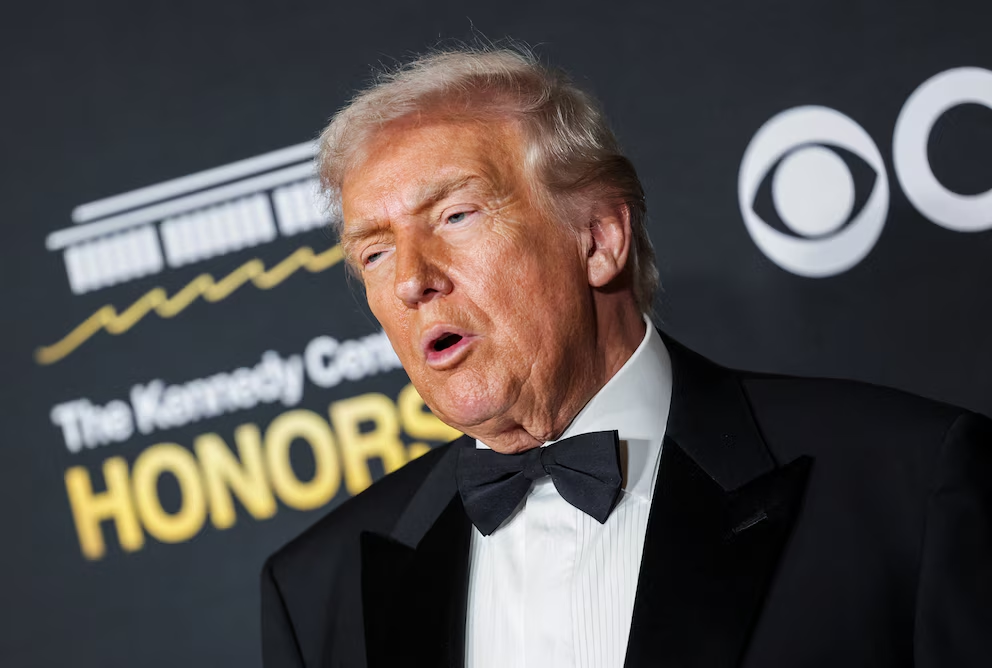
Artists and cultural leaders across the country expressed concern that the decision was made without broad stakeholder engagement. Several performers scheduled for upcoming seasons issued statements emphasising that artistic venues should remain spaces that prioritise aesthetic and cultural values over partisan symbolism. They argued that the presence of a divisive political figure on the center’s principal façade could overshadow creative expression and alienate audiences who perceive the gesture as an endorsement rather than a reflection of artistic heritage. Critics of the bust also called for a reaffirmation of the center’s core mission, urging that decisions of public commemoration be guided by consensus rather than unilateral placement.
Supporters of the installation responded that public art inevitably reflects the contested nature of contemporary society. They maintained that acknowledging all facets of recent history — including controversial leadership — can prompt valuable public reflection and discourse. Some commentators emphasised that art’s role is not only to comfort but also to challenge audiences, and that refusing to represent uncomfortable or polarising figures risks sanitising public memory. Their view is that cultural institutions should serve as forums for engagement with complexity rather than retreat from it.
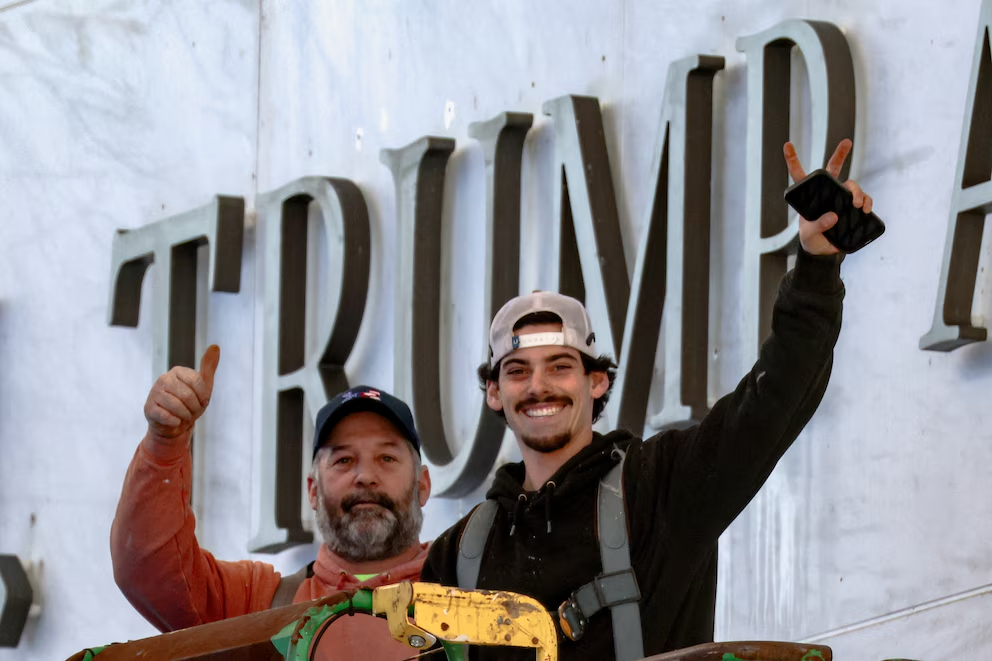
The controversy has also drawn attention from lawmakers and civic leaders. Members of Congress weighed in, framing the dispute within larger conversations about national identity, historical narrative and federal support for cultural spaces. Some called for hearings on the process by which the sculpture was installed, arguing that transparency and public accountability are essential when national institutions make decisions that symbolically represent generations of citizens. Others urged restraint, warning against politicising arts funding or imposing retrospective judgments that could chill cultural expression.
At the Kennedy Center itself, board members issued a brief statement acknowledging the passion of the debate and reiterating their commitment to artistic freedom. They invited dialogue and indicated plans for public forums to discuss the role of commemoration in cultural contexts and the criteria by which figures are celebrated within national institutions. That move seeks to position the centre not as an arbiter of partisan truth, but as a space where contested meanings can be aired and examined in civil discourse.
For visitors passing under the columns of the Kennedy Center, the bust now stands as a physical reminder that art and memory are not separate from the social and political currents that shape public life. Whether one views the sculpture as a legitimate piece of historical representation or an unwelcome imposition, its presence has already altered the conversation about who is honoured in public spaces and how those honours reflect collective values.
As the debate continues, the case highlights a broader cultural tension: how to balance respect for plurality with stewardship of shared cultural spaces. The responses from artists, institutions and the public at large reveal that decisions about commemoration resonate far beyond the object itself. They touch on how societies choose to remember, whom they elevate, and the implicit narratives embedded in stone, metal and space.
Phoenix24. The visible and the hidden, in context. / Phoenix24. Lo visible y lo oculto, en contexto.