

 Phoenix 24
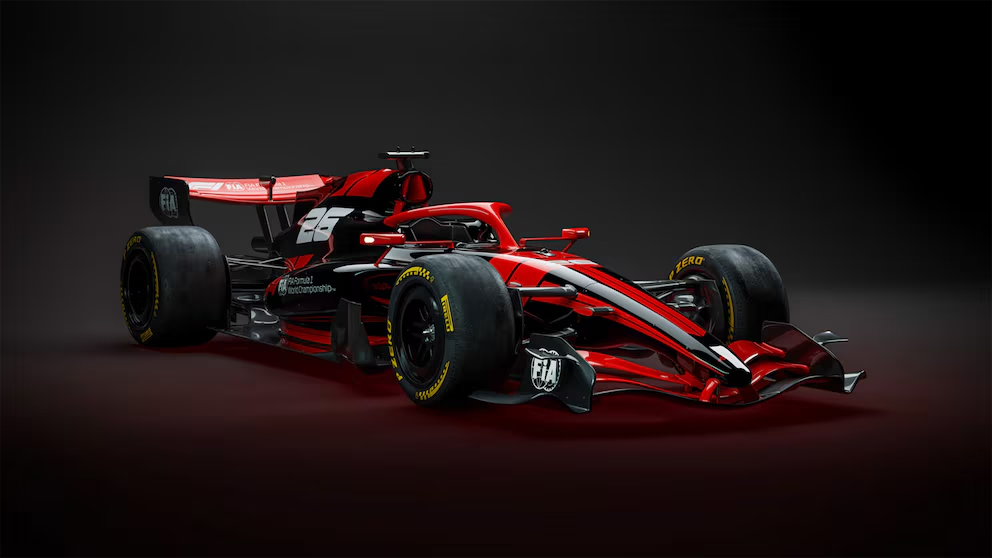
The sport’s next evolution blends aerodynamic innovation with strategic race enhancements aimed at intensifying competition.
London, December 2025.
Formula 1 has released the first official images of its 2026 cars alongside a detailed description of a new overtaking assistance mode, offering a preview of technical and strategic shifts set to shape the next era of grand prix racing. The unveiling comes after months of development under a revised regulatory framework designed to improve on-track action, increase aerodynamic efficiency and enhance opportunities for drivers to execute decisive manoeuvres during races. Teams, engineers and drivers have greeted the announcements with a mix of analytical interest and cautious optimism as preparations intensify for the forthcoming season.
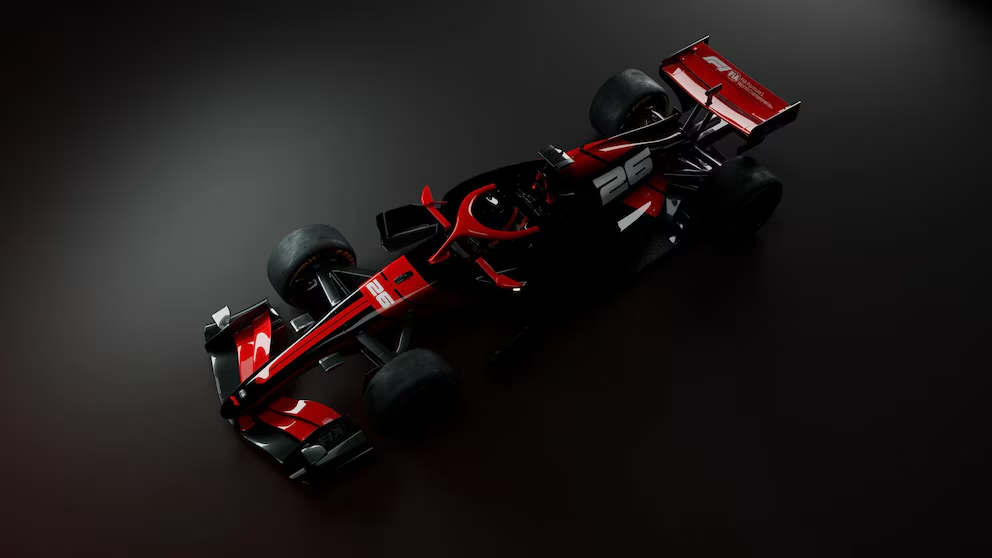
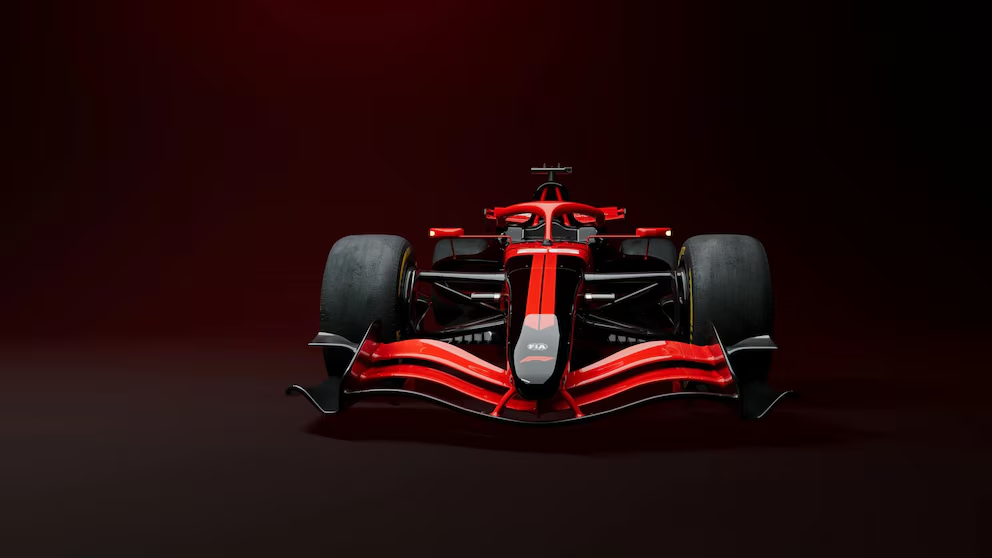
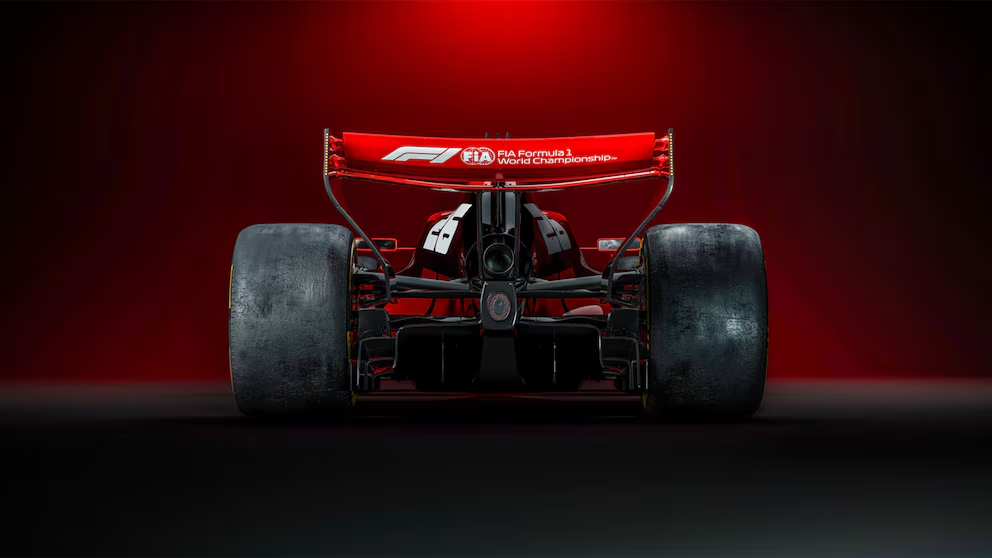
The images of the 2026 cars reveal significant design evolution, reflecting regulatory adjustments aimed at reducing turbulent air and enabling closer racing. Engineers reconfigured bodywork, diffusers and aerodynamic surfaces to promote cleaner airflow and lessen the negative impact of wake from leading cars. The visual presentation emphasises both aesthetic continuity with the sport’s heritage and substantive engineering shifts that could influence team development programmes. While the specifics of each team’s interpretation will only become fully apparent on track, the conceptual direction signifies an ongoing effort to balance performance with competitive equity.
In parallel with technical changes, Formula 1 detailed a new overtaking assistance mode that is expected to add a strategic layer to racecraft. The mechanism, developed to increase opportunities for successful passes, integrates software and power unit calibration that temporarily augments acceleration at critical moments when drivers attempt to overtake competitors. The mode will be governed by usage limits to preserve tactical nuance, ensuring that teams must decide when best to deploy this boost within the broader context of tyre wear, fuel management and positional objectives.
Regulatory authorities within the sport framed the new overtaking system as a response to longstanding calls for enhanced on-track excitement. Fans, broadcasters and teams have often highlighted that while driver skill remains paramount, opportunities for dynamic positional changes were constrained under previous rulesets that emphasised downforce and aerodynamic stability at the expense of overtaking frequency. The proposed assistance mode aims to address this by offering calculated performance windows that can be contested and countered by rival teams, reinforcing strategic depth rather than replacing driver agency.
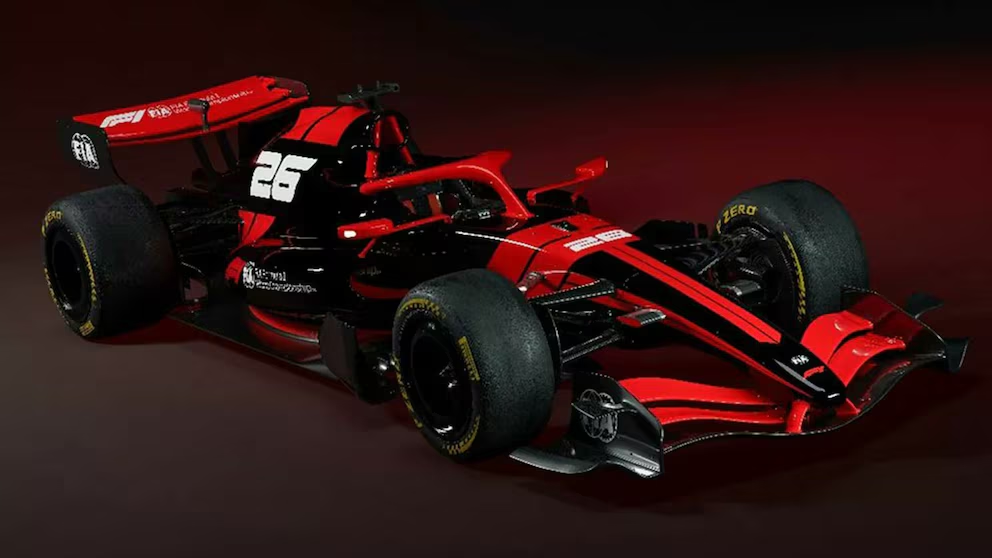
Early reactions from team principals and technical directors underscored that implementing both the 2026 car designs and the overtaking mode will require meticulous integration within race strategies. Discussions during technical briefings and simulation sessions have centred on how best to exploit the new elements without compromising reliability or tyre management, factors that remain central to race outcomes. Engineering teams are also analysing how the overtaking assistance interface with energy recovery systems and hybrid powertrain responses, given the sport’s ongoing commitment to efficiency and sustainability.
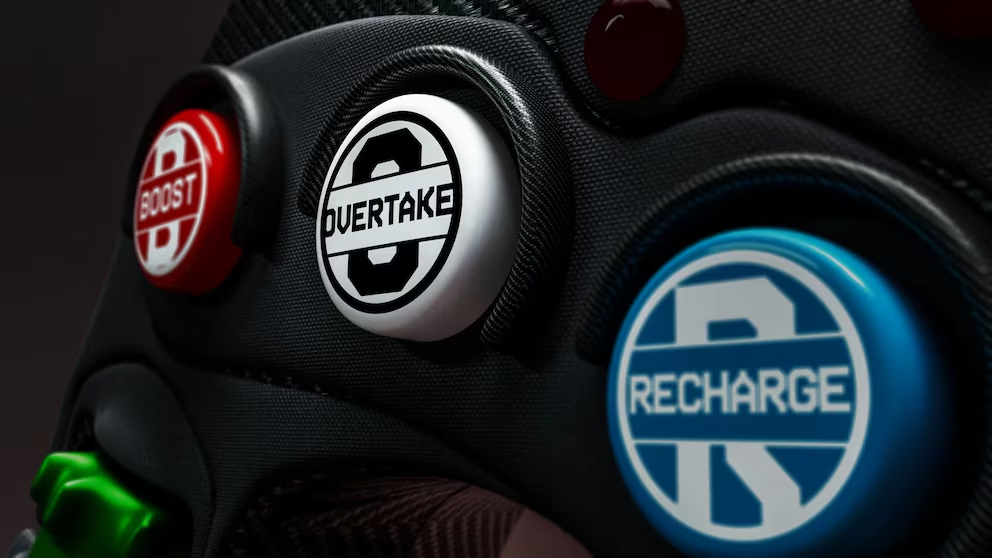
Drivers have expressed a range of attitudes toward the developments. Some welcome the potential for more overtaking as a means of showcasing competitive skill, while others emphasise the importance of ensuring that any assistance preserves the integrity of driver decision-making. Pre-season testing will serve as the first opportunity to experience the combined effect of the new aerodynamic configurations and overtaking mode in integrated practice sessions, offering tangible data that will shape race strategies ahead of the championship’s commencement.
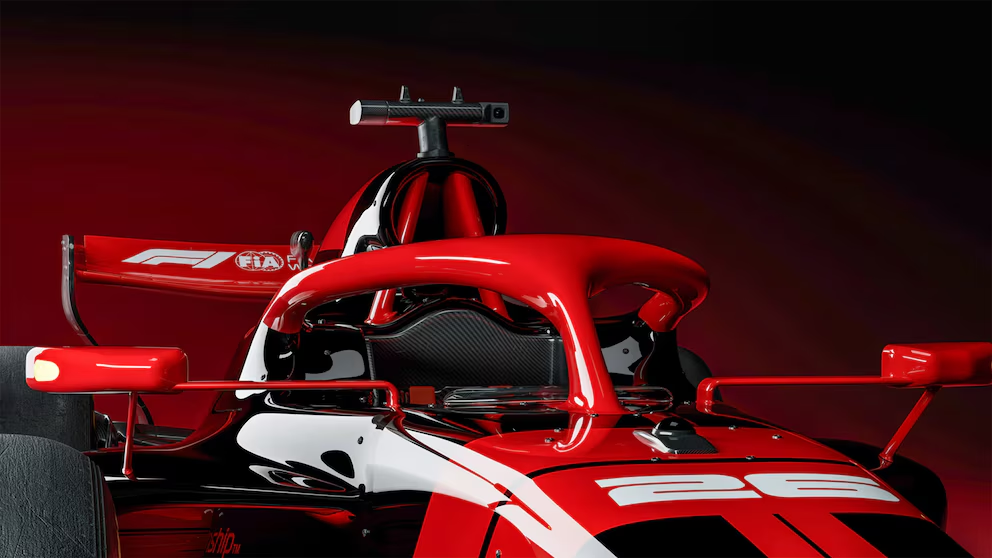
The 2026 technical evolution reflects a broader trajectory within Formula 1 toward leveraging innovation to enhance spectacle without diluting the precision and excellence that define the sport. Balancing technological progress with sporting fairness is a recurrent theme in governance discussions, and the ability to iterate on regulations while engaging teams and stakeholders underscores the collaborative nature of the championship’s development.
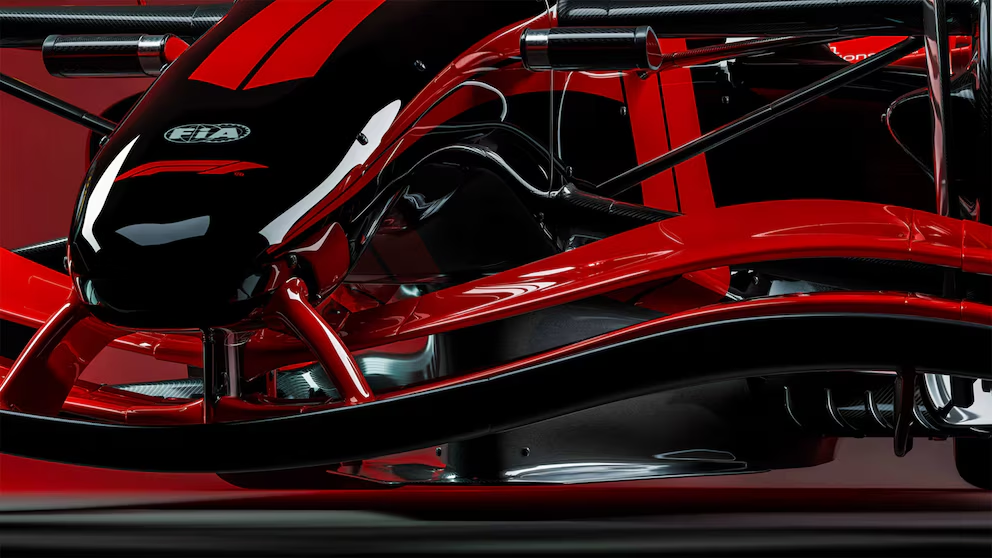
As the winter break gives way to dedicated preparation for pre-season testing, the anticipation among fans and competitors alike is palpable. The forthcoming season promises not only refined machinery and strategic complexity but also a renewed emphasis on the competitive narratives that unfold when cars and drivers are pushed to the limits of both regulation and ingenuity.
Hechos que no se doblan.
Facts that do not bend.