

 Phoenix 24
The ranking no longer rewards diversity, but scale, ecosystems, and control.
Cupertino, December 2025
The global smartphone market closed 2025 with an unmistakable picture. The ten best-selling phone models worldwide came from just two companies. Apple and Samsung fully occupied the top tier, confirming that the mobile industry has entered a phase of structural concentration in which volume, ecosystem integration, and user loyalty outweigh isolated innovation.
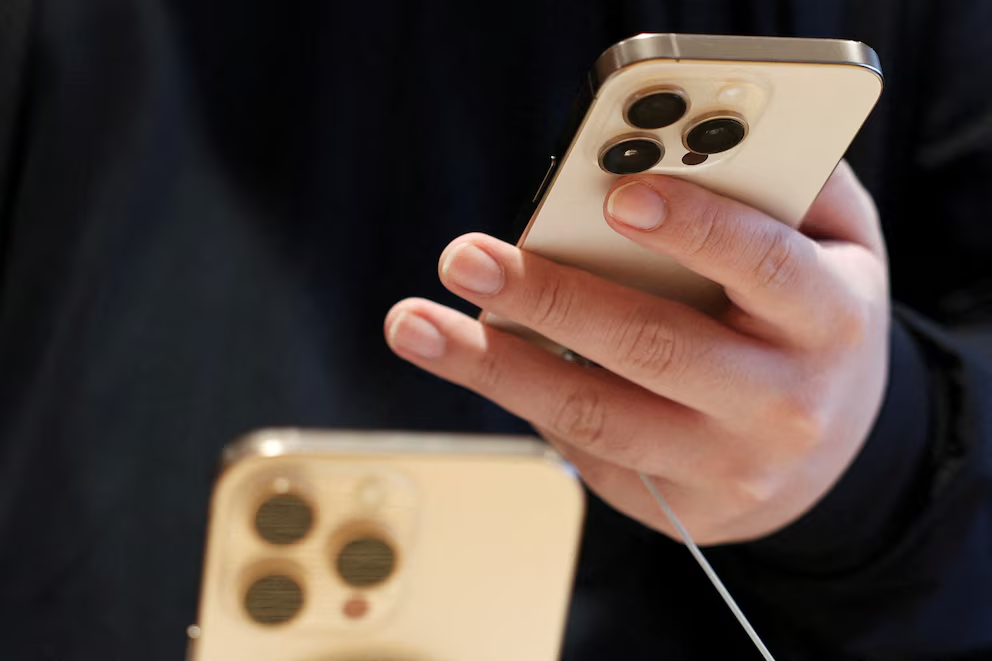
This dominance is not the result of a single advantage. In Apple’s case, leadership rests on a tightly controlled ecosystem that continues to demonstrate an exceptional ability to retain users and renew devices within the same product family. The latest iPhone models led the premium segment, driven by strong demand in North America, Western Europe, and parts of East Asia. The combination of hardware, software, and services once again proved to be a commercial anchor that competitors struggle to dislodge.
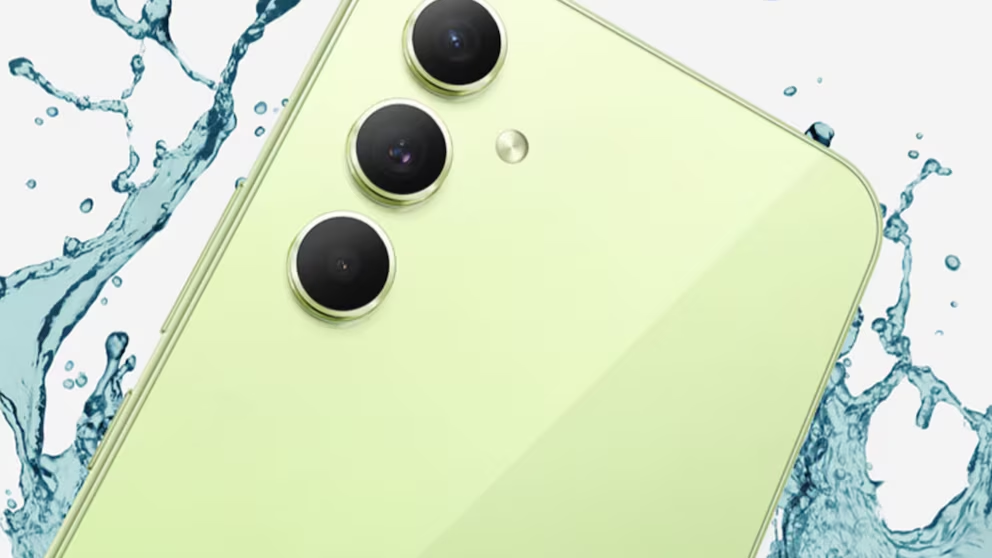
Samsung followed a different, but complementary, path. While it maintains a visible presence in the high-end segment, its true commercial strength in 2025 came from mid-range and entry-level devices. Across Asia, Africa, and Latin America, the South Korean company moved massive volumes through a broad portfolio, tiered pricing, and a distribution network that remains difficult to match. This dual strategy allowed Samsung to compete simultaneously on accessibility and scale.
The result was a near-perfect split of the global top ten. Five Apple models and five Samsung models accounted for the world’s highest sales volumes, leaving out manufacturers that only a few years ago regularly challenged for those positions. Chinese brands with strong regional footprints and notable advances in cameras, batteries, and design failed to break through the ceiling imposed by global scale and mainstream consumer trust.
From an economic perspective, technology and trade specialists have noted that this concentration reflects a mature market. The Organisation for Economic Co-operation and Development has pointed out that when penetration reaches saturation, consumers increasingly prioritize stability, compatibility, and after-sales support over radical innovation. The smartphone, now an essential daily tool, is no longer purchased purely for specifications, but for its place within a reliable system.
Asia offers another layer of interpretation. Industry analysts across the region have observed that Apple’s and Samsung’s competitive edge extends beyond the final product to control over supply chains. In a year marked by trade frictions, semiconductor adjustments, and fluctuating logistics costs, both companies showed operational resilience that smaller rivals could not easily replicate.
Europe reinforces this reading. Market studies across the continent indicate that brand loyalty reached record levels in 2025. European consumers switched manufacturers less frequently than in previous years, a behavior that favors companies with long-established reputations. In that environment, Apple benefited from its premium positioning, while Samsung capitalized on its image of versatility and broad choice.
The absence of other manufacturers from the top ten does not signal their disappearance, but it does indicate a shift in roles. Brands that once competed for global volume increasingly retreat to niches or specific regions. Competition migrates away from the top of the ranking toward specialized segments such as advanced photography, foldable devices, or gaming-focused phones.
From a North American viewpoint, technology policy analysts have warned that this duopoly also shapes the direction of innovation. When two firms concentrate most of the market, their design choices tend to become de facto standards. This influence extends from application development to investment priorities in research and development, subtly steering the broader technological ecosystem.
The impact even reaches industrial policy. In countries where smartphones are central to digitalization strategies, reliance on a narrow set of suppliers raises questions about technological sovereignty and diversification. Multilateral institutions have begun to flag these risks, though without immediate measures capable of altering the current balance.
For consumers, the dominance of Apple and Samsung brings both benefits and constraints. The experience is more predictable, support is more consistent, and compatibility is wider. At the same time, genuine diversity at the most visible end of the market narrows, and incremental improvements increasingly replace disruptive leaps.
By the end of 2025, the conclusion is difficult to avoid. The global smartphone market is no longer an open field where many brands compete on roughly equal footing. It is a hierarchical space in which two giants set the pace and others adapt around that center of gravity. The question moving forward is not who leads, but whether anyone can realistically challenge that equilibrium.
Beyond the news, the pattern. / Beyond the news, the pattern.