

 Phoenix 24
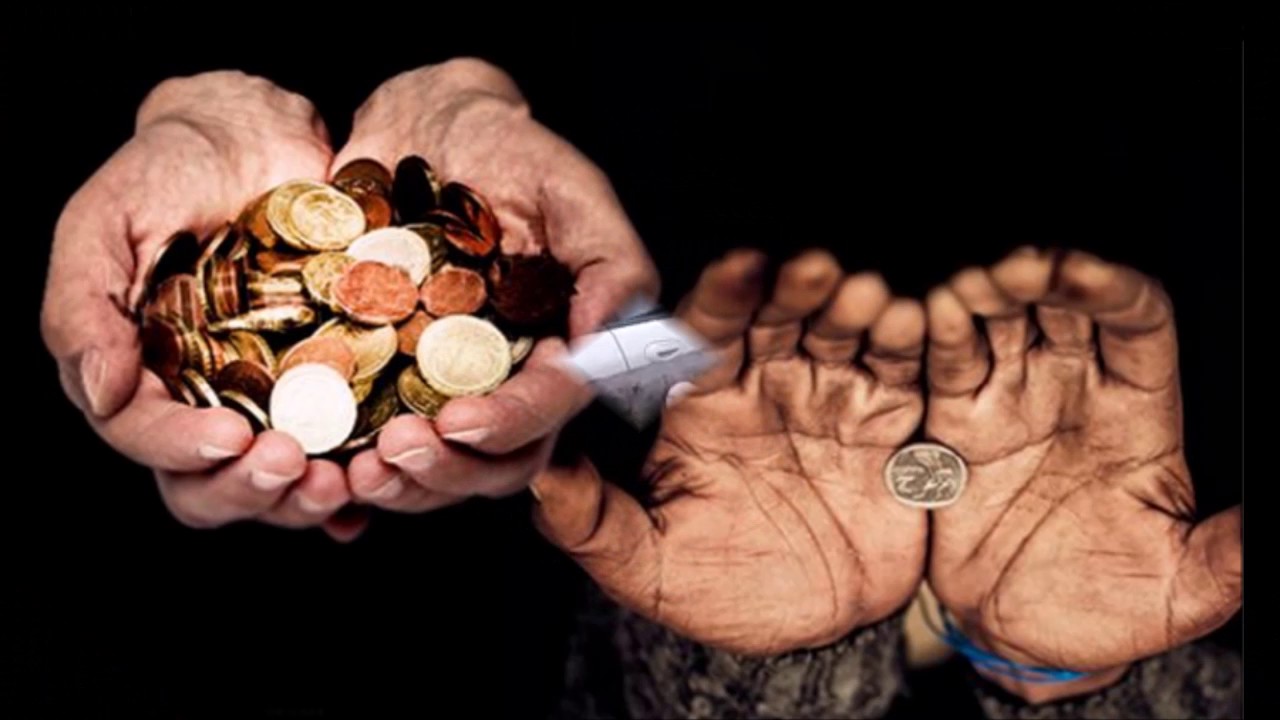
Rising inequality is now emerging as a defining factor in both fiscal policy debates and environmental justice movements around the globe.
Geneva, December 2025.
In recent months, debates over wealth concentration and its broader consequences have surged back into public view as new data underscore persistent gaps between economic elites and the wider population, revealing how these disparities extend far beyond income and into realms of political influence, environmental impact and public finance. Reports emerging from international research consortia show that a tiny fraction of the global population now controls a disproportionate share of wealth and, in turn, exerts outsized influence on economic outcomes and climate dynamics. These findings have sparked policy discussions in capitals, international forums and civil society platforms about the role of taxation, redistribution and climate justice in a world where wealth accumulation among the richest continues to accelerate.
At the heart of the debate is the contrast between the concentration of wealth among the top fractions of society and the economic experience of ordinary citizens. According to recent global inequality assessments, the richest 0.001 percent of the world’s population now hold multiple times more wealth than the bottom half combined, while the wealthiest ten percent control the vast majority of global assets. This concentration accentuates existing social fractures and raises questions about the sustainability of tax systems that rely heavily on consumption and income taxes paid predominantly by lower and middle income groups. Economists tracking distributional trends argue that regressive fiscal structures, including reliance on indirect taxes, contribute to the burden falling disproportionately on those least able to bear it, while the ultra-wealthy benefit from favorable regimes and loopholes that reduce their effective tax rates. These systemic imbalances have prompted proposals for progressive wealth levies as part of broader fiscal reform agendas.
The environmental implications of economic inequality are equally striking. Scientific research indicates that the wealthiest segments of society contribute far more to greenhouse gas emissions on a per capita basis than average citizens. Concentrated affluence often correlates with high consumption lifestyles, extensive travel and capital investments in carbon intensive sectors, meaning that emissions linked to elite consumption patterns can significantly outpace the contributions of lower income populations even as the latter bear the brunt of climate impacts. Analyses suggest that the top ten percent of global emitters have been responsible for a majority share of warming observed over recent decades, driving more frequent and severe heat extremes and exacerbating vulnerability in regions least responsible for emissions increases. In this context, climate scientists and justice advocates highlight the need to integrate equity considerations into global mitigation strategies, recognizing that addressing emissions inequality is inseparable from achieving broader environmental goals.
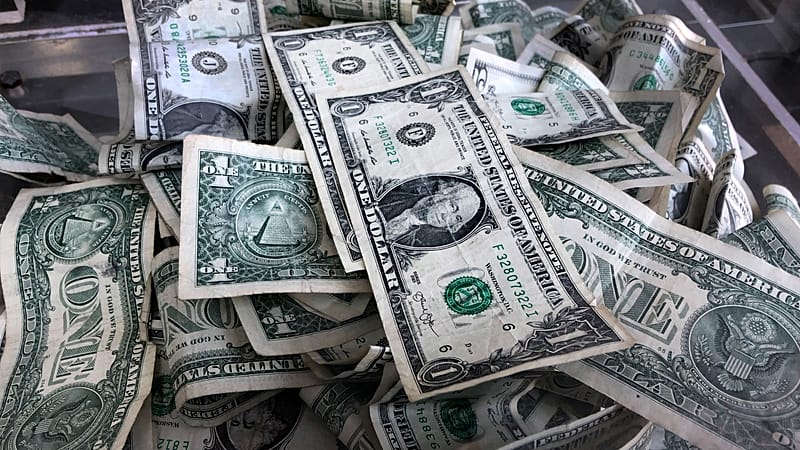
These intersecting dynamics of wealth, taxation and climate exposure have catalyzed activism and policy proposals in multiple regions. Civil society groups have organized high profile actions calling for fair taxation of polluting elites and multinational corporations, arguing that resource mobilization for climate action and social goods should not rest solely on the shoulders of ordinary taxpayers. Advocates urge reforms that would enable wealth taxes, curb profit shifting and close loopholes that allow extreme fortunes to grow largely untaxed, thereby generating substantial public revenue that could support education, health, energy transition and climate adaptation initiatives. Public opinion surveys in diverse countries indicate widespread support for taxing the affluent to fund essential services and climate investment, reflecting a global appetite for more equitable fiscal structures.
Within the European Union, policy discussions have included proposals to rewrite tax rules and introduce measures aimed at making the wealthiest individuals contribute their fair share. Analysts note that billionaire wealth in the EU has expanded notably in 2025, far outpacing growth in broader incomes, even as ordinary citizens continue to struggle with cost pressures and uneven economic recovery. This disparity has intensified calls from labor and social movements for harmonized policies that tax extremes of wealth, strengthen safety nets and reinvest revenues into sustainable development objectives. Parallel conversations are unfolding in other advanced economies and emerging markets, where questions about how to balance competitiveness with fairness are increasingly central to legislative agendas.
In developing regions, experts emphasize that the climate crisis and inequality are deeply intertwined. Nations with limited fiscal capacity and high vulnerability to extreme weather are particularly challenged by the dual pressures of redistributing wealth and financing adaptation. International tax cooperation initiatives, including ongoing negotiations under multilateral frameworks, aim to address these challenges by promoting transparency, curbing illicit financial flows and enabling countries to reclaim taxing rights that have eroded under globalized profit shifting. Solutions that align tax sovereignty with climate finance objectives are being explored as mechanisms to redirect resources toward equitable transition pathways without imposing undue burdens on vulnerable populations.
While consensus on specific policy measures remains elusive, the convergence of inequality, environmental impact and taxation debates points to a growing recognition that traditional approaches to economic and climate policy must evolve. Scholars and practitioners alike contend that equitable tax systems, robust redistribution mechanisms and targeted climate finance are essential components of a future in which prosperity and environmental stewardship are not mutually exclusive. Whether governments, institutions and civil society can translate these imperatives into effective action will shape the social and ecological contours of the coming decades.
Phoenix24: global narrative resilience.
Resistencia narrativa global.