

 Phoenix 24
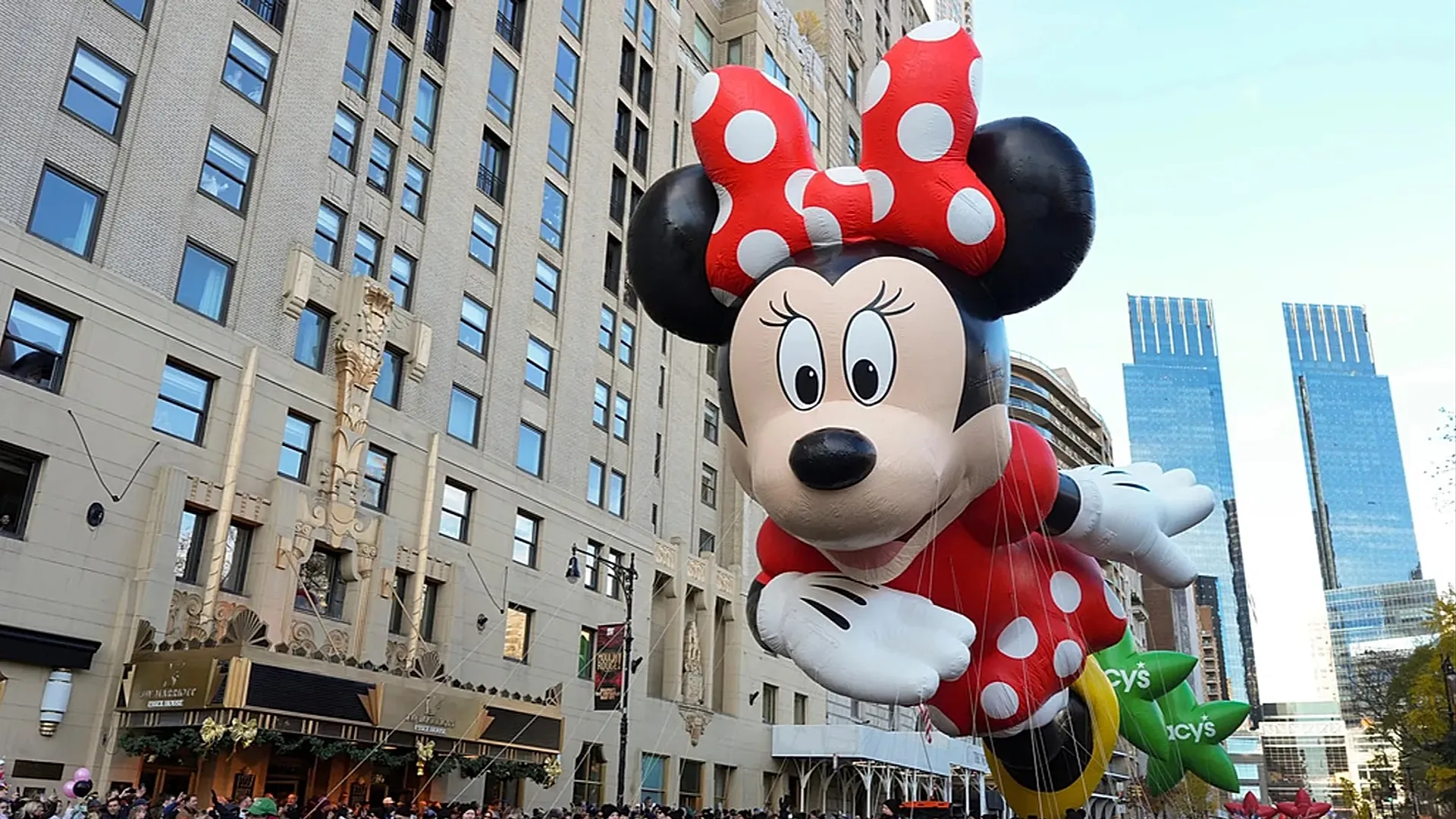
A global entertainment titan steps into the next era of creative technology by reimagining how audiences interact with iconic characters.
Los Angeles, December 2025.
The Walt Disney Company has entered a landmark partnership with OpenAI to explore a new ecosystem of short form video creation in which viewers become active participants in shaping stories built around some of the world’s most recognizable characters. The agreement grants OpenAI licensed access to an extensive catalog of animated and illustrated figures from Disney, Pixar, Marvel and Lucasfilm, allowing users to generate original micro stories through text based instructions interpreted by advanced generative models. Disney’s leadership framed the collaboration as a long term strategic move designed to expand the boundaries of digital engagement and strengthen the emotional connection between audiences and its expansive narrative universes.
The decision signals a broader shift in entertainment economics. Analysts in North America have noted that traditional content pipelines now operate alongside participatory formats in which fans blend creativity with algorithmic tools. By authorizing controlled use of intellectual property within an AI environment, Disney positions itself at the forefront of an industry attempting to balance innovation with responsibility. European media researchers observing the partnership emphasized that such arrangements could redefine how studios monetize digital fandom, especially as short form storytelling becomes a dominant mode of consumption across social platforms.
OpenAI’s video generation system serves as the operational core of the initiative. Unlike earlier digital tools that relied on fixed animation templates, modern generative engines synthesize movement, lighting and narrative structure from natural language prompts. Technology reviewers in Asia who track the evolution of multimodal AI argue that this collaboration places Disney in a unique position to integrate character driven storytelling into a global creative commons while still preserving a protective framework around brand integrity. The company has clarified that the system is restricted to animated representations and does not allow synthetic replication of actor likenesses, a boundary set to address concerns raised by guilds and creators about the misuse of personal identity.
Within the entertainment sector, the financial dimension of the alliance has also drawn attention. Disney’s investment in OpenAI signals confidence in the long term trajectory of generative intelligence as a pillar of future content infrastructure. Market specialists in Europe observed that major studios are competing not only for audience share but for technological leverage capable of reshaping distribution models and production costs. The partnership therefore operates simultaneously as a creative experiment and as a strategic foothold in a rapidly consolidating landscape where artificial intelligence is becoming integral to scripting, design and audience analytics.
Despite the enthusiasm surrounding the rollout, the collaboration unfolds amid global debates about authorship, originality and the limits of generative media. Ethicists in the United States have emphasized that the use of AI to produce derivative stories challenges long standing definitions of creative ownership and may trigger cultural anxieties about authenticity. However, both Disney and OpenAI have repeatedly underscored their commitment to responsible deployment, transparency and user safeguards. Their joint statements indicate that the system incorporates mechanisms to prevent harmful or deceptive content and to ensure that user generated material remains within legally and socially acceptable boundaries.
Inside Disney’s internal ecosystem, the agreement is expected to influence a wide range of operational processes. Corporate strategists in Asia tracking the entertainment and technology interface suggest that AI assisted workflows may reshape how storyboards are drafted, how visual effects are prototyped and how teams experiment with character interactions. The short form content initiative thus becomes both an external engagement strategy and an internal catalyst, accelerating the company’s evolution toward hybrid creative pipelines that integrate human direction with machine assisted ideation.
The partnership also hints at a broader cultural shift in which audiences no longer consume narratives passively but actively construct and remix them. Scholars of digital culture in Europe note that this participatory paradigm aligns with generational preferences for personalized and ephemeral content. As users gain the ability to produce their own story clips featuring iconic characters, fan communities may evolve into distributed storytelling networks that influence mainstream franchises in unpredictable ways. Managing this dynamic will require Disney to maintain narrative coherence while embracing a degree of creative spontaneity emerging from its global fan base.
Looking ahead, the success of the collaboration will depend on public reception, regulatory clarity and the companies’ ability to maintain trust in a media environment where synthetic content proliferates rapidly. If the framework proves effective, it could serve as a reference point for how legacy cultural institutions partner with advanced AI developers to redefine entertainment. If challenges arise, they will reveal the tensions inherent in balancing technological ambition with ethical and artistic stewardship. Either outcome underscores that the alliance represents a pivotal moment in the evolving relationship between storytelling and artificial intelligence.
Phoenix24: facts that do not bend.
Hechos que no se doblan.