

 Phoenix 24
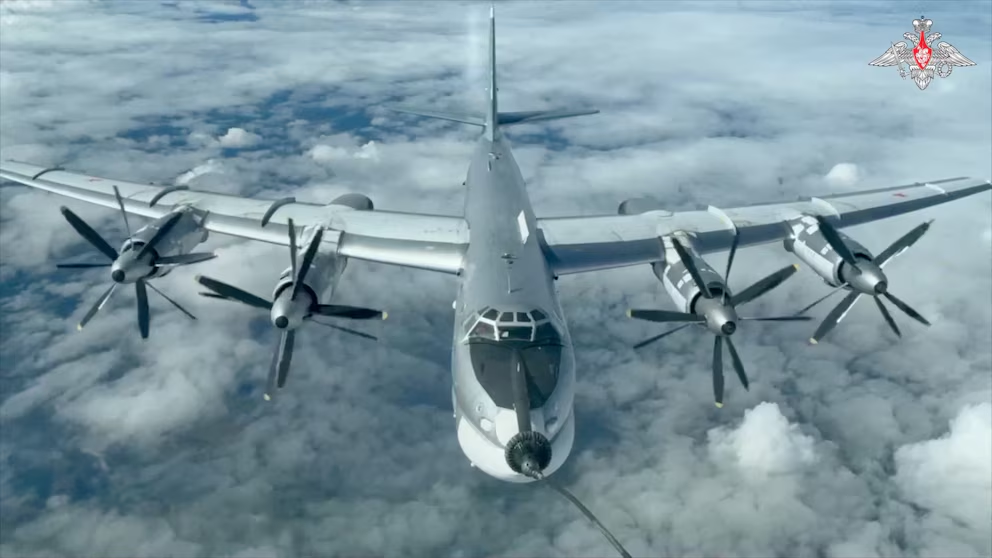
A flight formation that once belonged to military drills has now become a geopolitical message directed at the Indo Pacific security architecture.
Tokyo, December 2025.
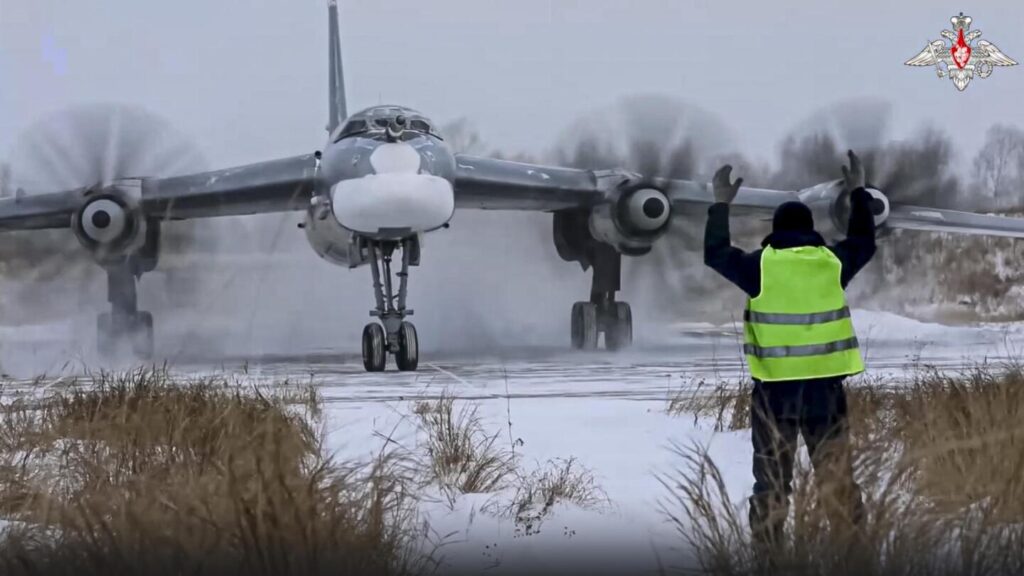
China and Russia conducted a coordinated long range bomber patrol near Japanese territory in an operation that regional defense analysts interpret as one of the most assertive demonstrations of their growing military alignment. The maneuver, unfolding across airspace adjacent to the East China Sea and the Sea of Japan, prompted immediate reaction from Japan’s defense forces, which scrambled fighter jets and issued formal protests. The patrol occurred during a period of heightened mistrust between China and its neighbors, adding new urgency to debates over escalation risks in one of the world’s most contested strategic corridors.
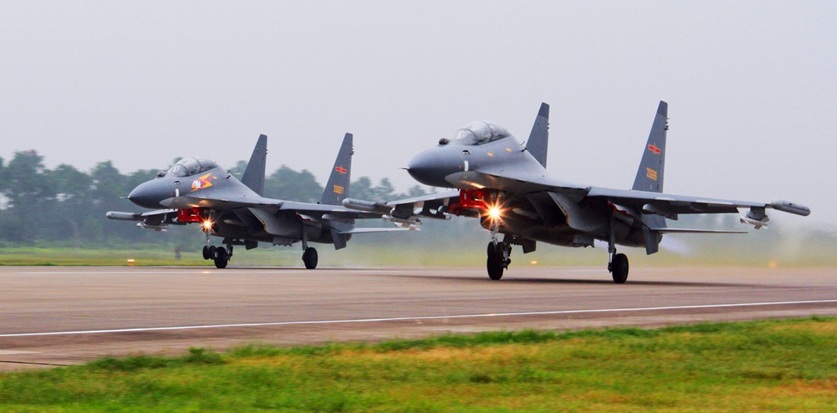
Sources indirectly referenced by Reuters describe the formation as involving nuclear capable bombers escorted by supporting aircraft configured for reconnaissance and command control tasks. This configuration, though not unprecedented, differs significantly from earlier joint flights due to its extended range, synchronized flight patterns and its passage through air defense identification zones monitored by Japan and South Korea. The flight path appeared designed to test response protocols while projecting the ability of both countries to operate seamlessly in proximity to allied military infrastructure.
European observers cited by the Financial Times note that the patrol underscores a broader shift in Sino Russian cooperation. While previous exercises emphasized symbolic partnership, current operations reflect operational maturity and strategic purpose. The timing aligns with Beijing’s more confrontational posture in the western Pacific, including increased air incursions near Taiwan and maritime pressure in contested zones. By engaging in a joint patrol at this juncture, China signals that its partnership with Russia is not limited to diplomatic rhetoric but extends into synchronized military capability that complicates deterrence calculations for regional powers.
Analysts from the Jacques Delors Institute highlight that Japan’s reaction reflects concerns about a changing threat environment marked by multipolar competition and more frequent demonstrations of long range capability. Japan’s defense establishment has pursued modernization programs aimed at countering potential saturation attacks and improving early warning systems. Yet the joint patrol illustrates the limits of conventional preparedness when facing adversaries operating with coordinated strategies that intentionally blur the line between routine maneuvers and coercive signaling.
Security researchers indirectly referenced by CSIS argue that the sortie serves multiple strategic functions. It signals to the United States that China and Russia are willing to challenge allied surveillance networks, tests the resilience of response mechanisms across the Japan South Korea axis and reinforces internal narratives in Beijing and Moscow about resisting Western pressure. The flight also offers both governments opportunities to refine joint command practices while assessing how quickly regional forces mobilize in response to perceived incursions.
For South Korea, the operation raised immediate concerns after several aircraft approached or entered its air defense identification zone, triggering rapid deployment of interceptors. Although sovereign airspace was not violated, the pattern of approach heightened fears about accidental escalation in a theater already strained by missile tests, territorial disputes and unpredictable North Korean behavior. The event also reignited debate in Seoul about closer alignment with regional security partners and the long term implications of increased Sino Russian coordination.
In Japan, the patrol has fueled political discourse around defense spending, strategic autonomy and the interpretation of potential threats under the revised national security strategy. Lawmakers from across the political spectrum expressed concern that the sortie reflects a shift from signaling to rehearsed operational readiness. The discussion arrives at a moment when Japan seeks to balance deterrence with diplomatic engagement while navigating rivalries between China, the United States and Russia.
Regional stability now faces renewed uncertainty. The joint patrol, though not an overt act of aggression, demonstrates a willingness by China and Russia to showcase combined strength in a theater where miscalculation carries global consequences. Observers caution that repeated flights of this nature risk normalizing high tension encounters that erode crisis management mechanisms designed to prevent armed confrontation.
As the Indo Pacific continues to recalibrate around intensifying power competition, the implications of this flight extend well beyond its trajectory. It marks another step in a deepening partnership that increasingly shapes security dynamics across the region and forces neighboring countries to reconsider their strategic assumptions.
Phoenix24: geopolitics, unmasked. / Phoenix24: geopolítica sin maquillaje.