

 Phoenix 24
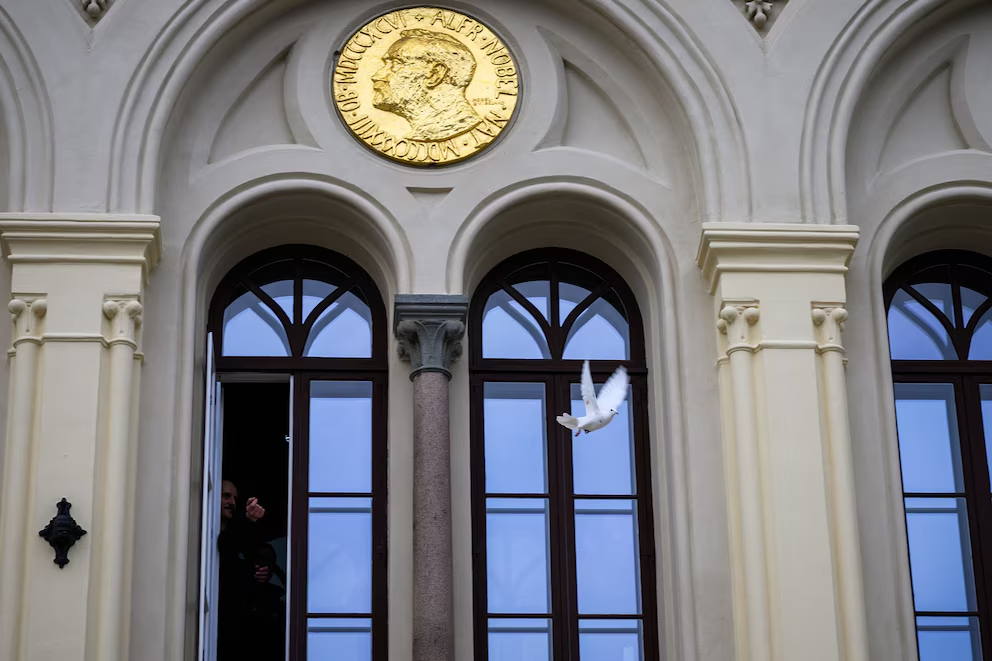
A century old distinction has become a mirror through which Latin America examines its conflicts, ambitions and contradictions.
Bogotá, December 2025.
Across one hundred twenty four years of Nobel Peace Prize history, only seven Latin American leaders have received the award, a rare distinction that traces the region’s turbulent path through dictatorships, democratic struggles, ideological realignments and peace negotiations that reshaped national destinies. Each laureate emerged from a political landscape marked by volatility, and each carried the weight of representing a continent where peace has often been synonymous with survival.
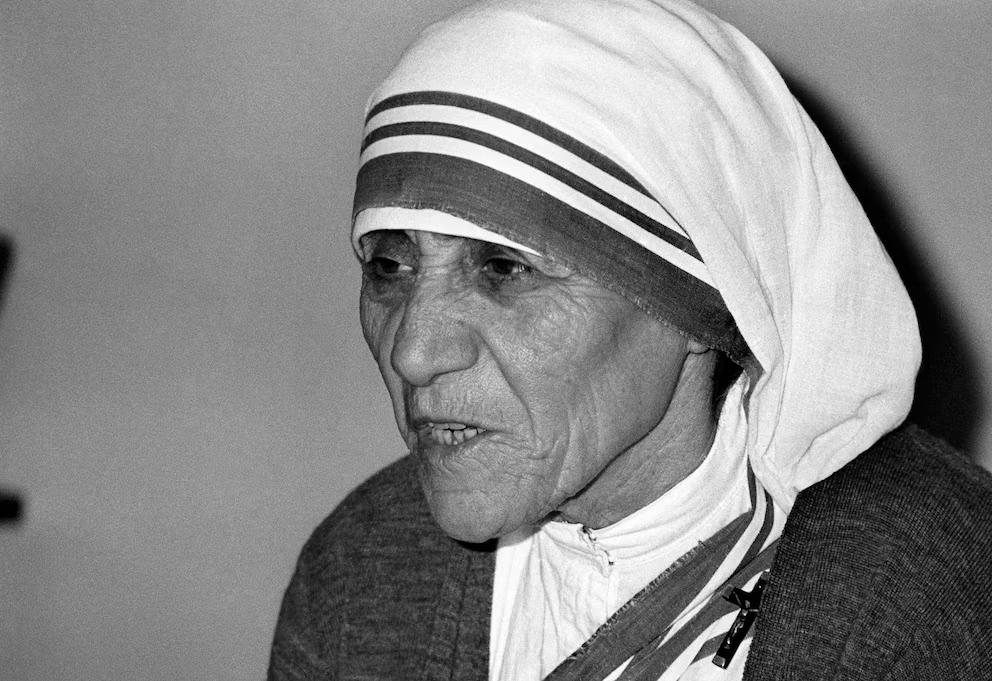
The earliest chapters centered on mediation diplomacy. Analysts indirectly referenced by Reuters note that the first Latin American recipients used negotiation rather than force to prevent interstate tensions from escalating into prolonged war. These laureates helped position the region as a laboratory for diplomatic settlement at a time when global institutions were still decades from forming. Their influence within foreign ministries across the Americas lingered long after their mandates ended, illustrating how individual leadership can recalibrate geopolitical expectations.
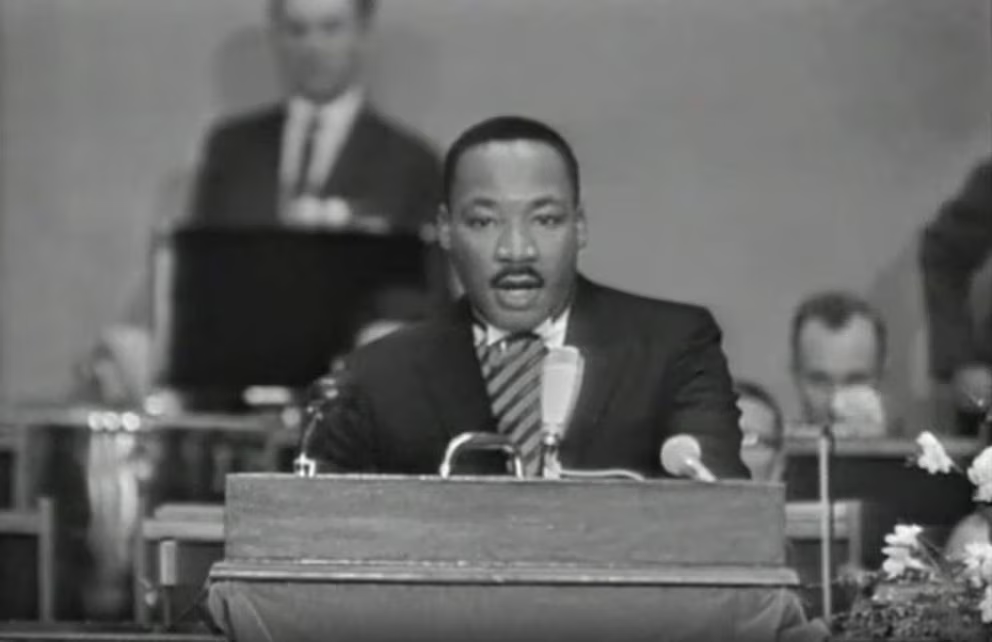
European observers cited by the Financial Times emphasize that later winners embodied a different archetype: reformers who navigated transitions away from authoritarian rule toward democratic renewal. Their recognition offered symbolic reinforcement of institutional rebuilding in societies fractured by censorship, repression and militarization. The Nobel Prize in these contexts served not merely as acknowledgment but as political oxygen, strengthening reform agendas at critical moments when domestic support was fragile and international visibility remained essential.
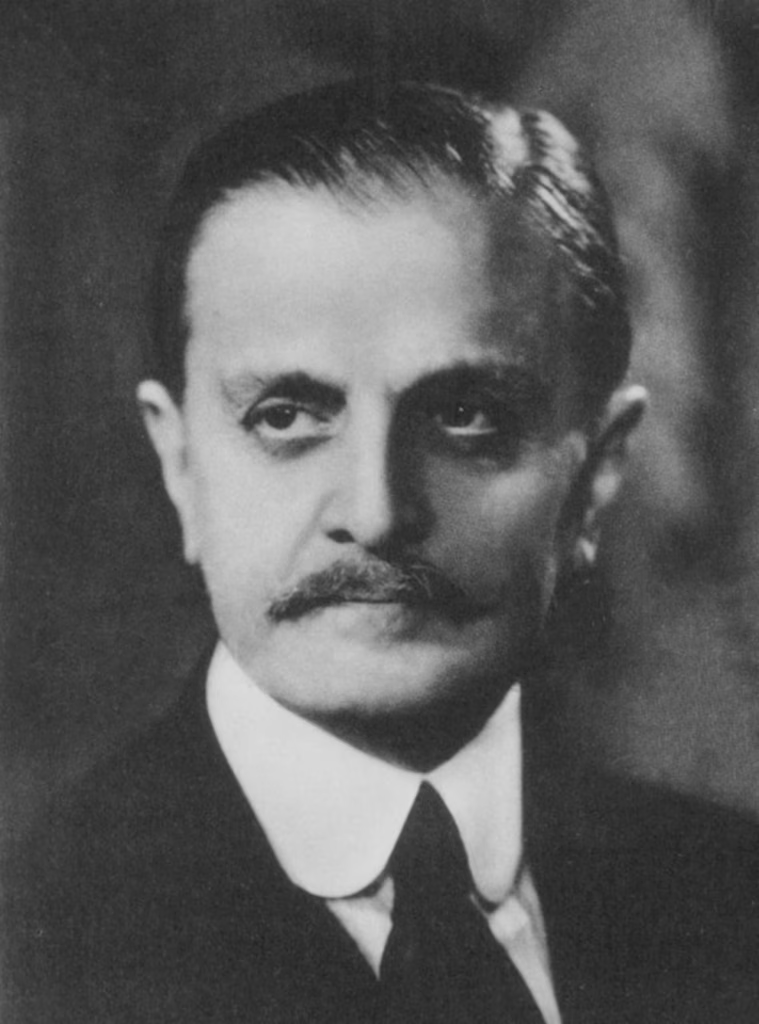
A distinct category of laureates emerged in the late twentieth and early twenty first centuries: leaders who pursued peace negotiations with armed groups whose presence had defined the social and territorial fabric of their countries. Analysts from the Jacques Delors Institute argue that these figures confronted internal conflicts that had evolved into socioeconomic systems of their own, where territorial control, illicit economies and mass displacement complicated even preliminary dialogue. For these leaders, the Nobel signified global endorsement of a process more structurally complex than traditional interstate negotiations.
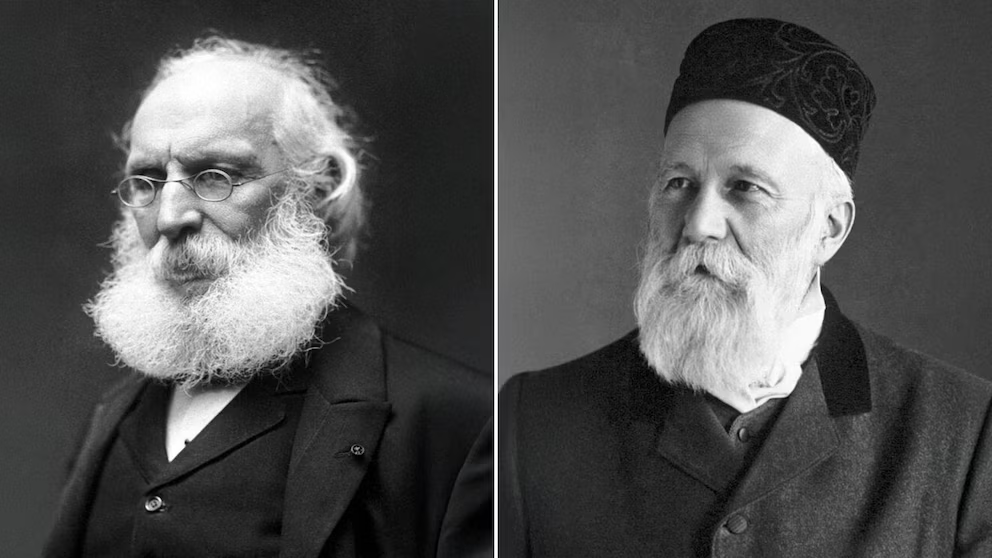
The region’s most recent Nobel awarded to a head of state marked a turning point in how global audiences interpret Latin American peace initiatives. Security experts indirectly referenced by CSIS highlight that such recognitions now intersect with debates on transitional justice, accountability and the legitimacy of negotiating with actors responsible for large scale violence. The complexities of post conflict governance, demobilization and community reintegration shaped the international evaluation of these peace efforts, demonstrating that the prize has evolved into recognition not only of diplomatic achievement but of institutional courage under extreme conditions.

Across the seven cases, patterns emerge. Each laureate operated within environments marked by external pressure, internal fracture and deep ideological polarization. Some saw their reputations strengthened by the award, while others faced intensified domestic backlash from political rivals who framed the recognition as foreign interference or selective moral judgment. In several instances, the gap between the international celebration and local reception underscored the region’s persistent struggle over who has the authority to define peace.
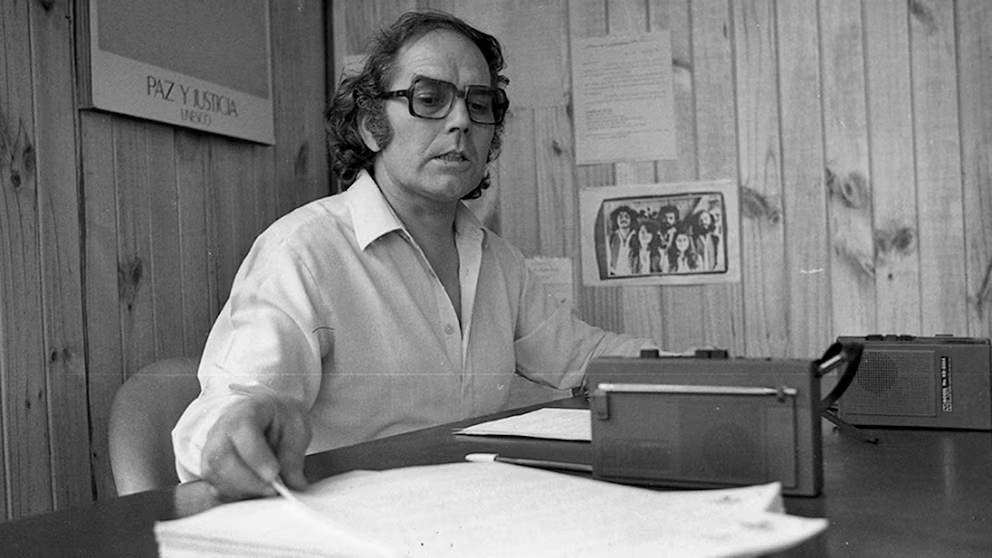
Beyond individual stories, the presence of Latin American leaders within Nobel history reveals the continent’s complex relationship with conflict resolution. The prize has often highlighted the region as capable of producing transformative diplomatic initiatives despite structural inequality, instability and contested sovereignty. It also exposes a paradox: peacebuilding in Latin America tends to rely on leaders willing to confront entrenched networks of violence and power, yet their achievements remain vulnerable to reversal when economic crises, populist tides or security shocks resurface.
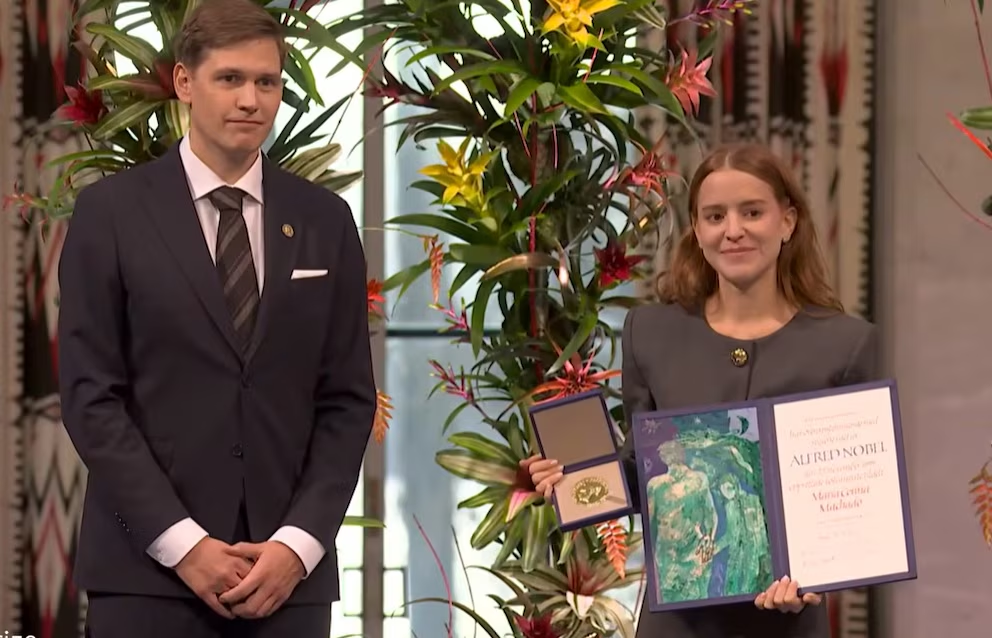
As new political landscapes emerge across the hemisphere, the legacy of these seven laureates continues to shape public imagination. Their paths illuminate how peace, when pursued in contexts shaped by historical wounds, becomes less a destination than an ongoing negotiation between memory, justice and political will. In this sense, the Nobel Prize does not close chapters in Latin America; it merely reframes them, inviting deeper scrutiny of the forces that enable or undermine the fragile construction of peace.
Phoenix24: truth is structure, not noise. / Phoenix24: la verdad es estructura, no ruido.