

 Phoenix 24
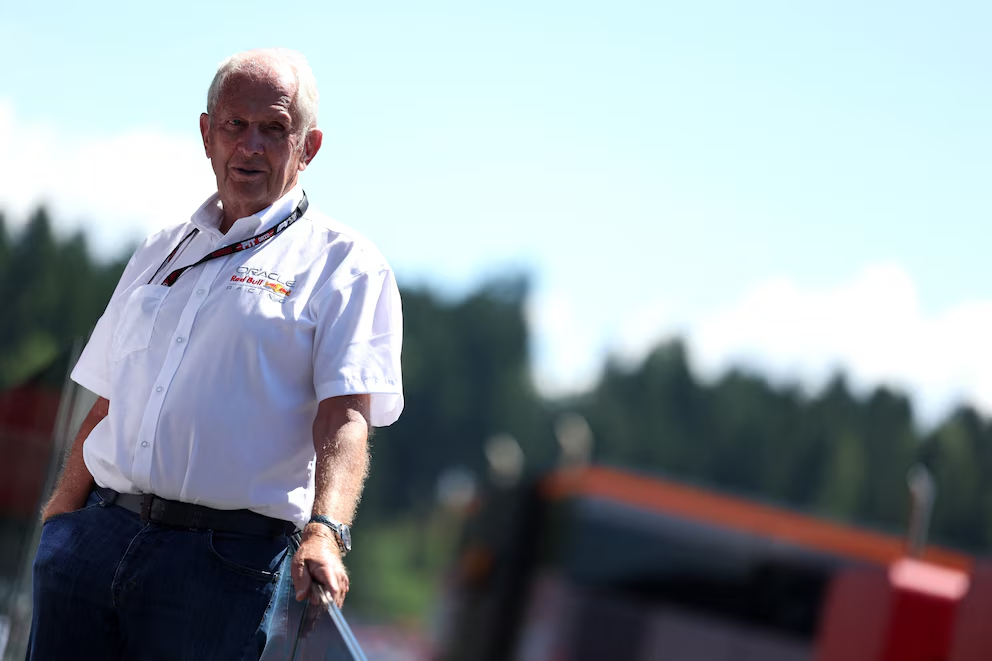
The departure of one of the sport’s most influential power brokers has left a vacuum that no single figure may be able to fill.
Vienna, December 2025.
Helmut Marko, long regarded as the architect behind Red Bull’s driver development empire and one of the most strategic minds within modern Formula One, has formally parted ways with the team after months of tension, controversy and internal fragmentation. His exit, finalized through a multimillion euro compensation agreement, ends a decades long chapter defined by aggressive talent scouting, uncompromising management style and an unmistakable imprint on Red Bull’s championship machinery. The settlement, confirmed through people familiar with the negotiations, signals the team’s desire to close a turbulent dispute discreetly while preserving operational stability before the 2026 regulations take effect.
Analysts indirectly referenced by Reuters emphasize that Marko’s departure is far more than a personnel change. For years he acted as a gravitational force shaping driver lineups, engineering priorities and long term competitive strategy. His influence reached deep into the formation of world champions and rising prospects, cultivating a pipeline that once set the benchmark for talent development. As a result, the compensation package reflects not only contractual obligations but the institutional value assigned to a figure whose authority often surpassed formal titles.
Observers from the Financial Times note that the internal climate at Red Bull had grown increasingly fractured after leadership changes earlier in the year and disagreements surrounding garage dynamics, public statements and sponsorship pressures. Marko’s direct communication style, often praised for its clarity, became a point of friction as newer management structures sought to centralize authority. The resulting political tension accelerated his exit, making a negotiated separation preferable to a prolonged power struggle.
European motorsport analysts associated with the Jacques Delors Institute argue that Marko’s departure arrives at a pivotal moment for the team. With a new era of technical regulations approaching, leadership cohesion will be critical. The vacuum created by the loss of such an influential adviser raises strategic questions: who will control driver selection, who will shape long term development pathways and how the team will maintain continuity in the absence of the man who engineered its most decisive talent bets.
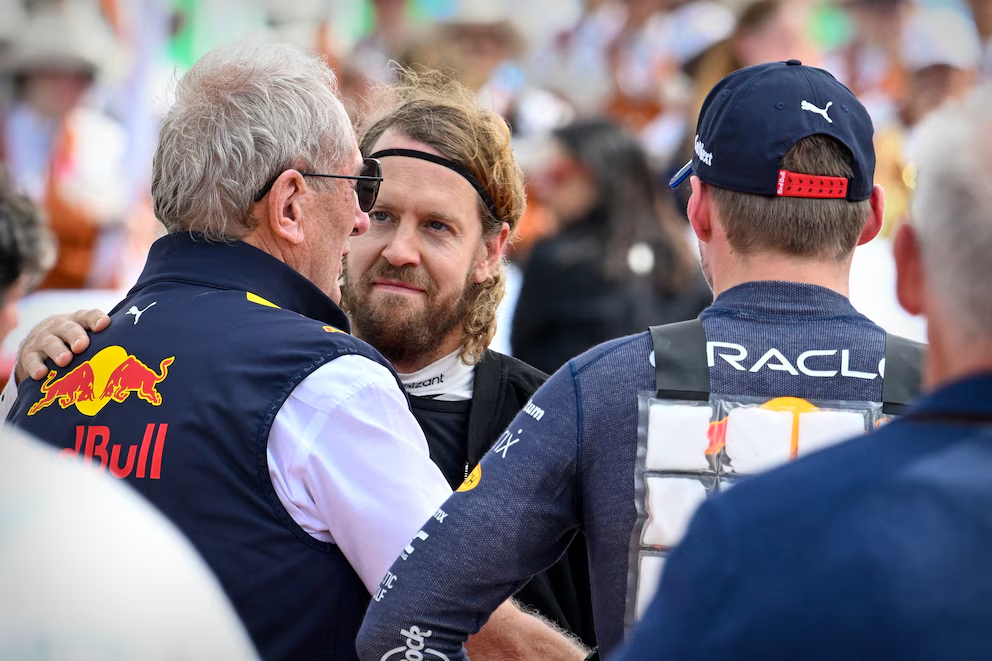
Names within the paddock have circulated for weeks, with one prominent former driver emerging as a potential successor. Insiders indirectly referenced by CSIS suggest that Red Bull may move toward a profile capable of blending media appeal, technical literacy and a more collaborative leadership tone. This approach would contrast with Marko’s era, which prioritized strict internal discipline and rapid evaluation cycles. While the team remains silent on the decision, industry observers believe the shift could herald a broader cultural transformation inside Red Bull Racing.
For drivers within the Red Bull system, the transition introduces a layer of uncertainty. Many careers were shaped, accelerated or reshaped by Marko’s assessments, often delivered with uncompromising directness. Without him, evaluation criteria, development priorities and promotion pathways may evolve. Rising talents will now navigate a structure less dependent on a singular figure and more influenced by collective decision making.
From a competitive standpoint, the team must balance continuity with innovation. Marko’s departure removes an experienced strategist who often interpreted competitive signals faster than rival teams. Yet the reshuffling also provides an opportunity to modernize internal processes, strengthen data driven decision making and recalibrate leadership roles in ways that may mitigate reliance on individual authority.
As the paddock absorbs the implications, one reality is clear: Red Bull has entered a transition that will shape not only its performance but its identity. The compensation agreement may close the financial chapter, but the strategic aftermath is only beginning.
Phoenix24: every silence speaks. / Phoenix24: cada silencio habla.