

 Phoenix 24
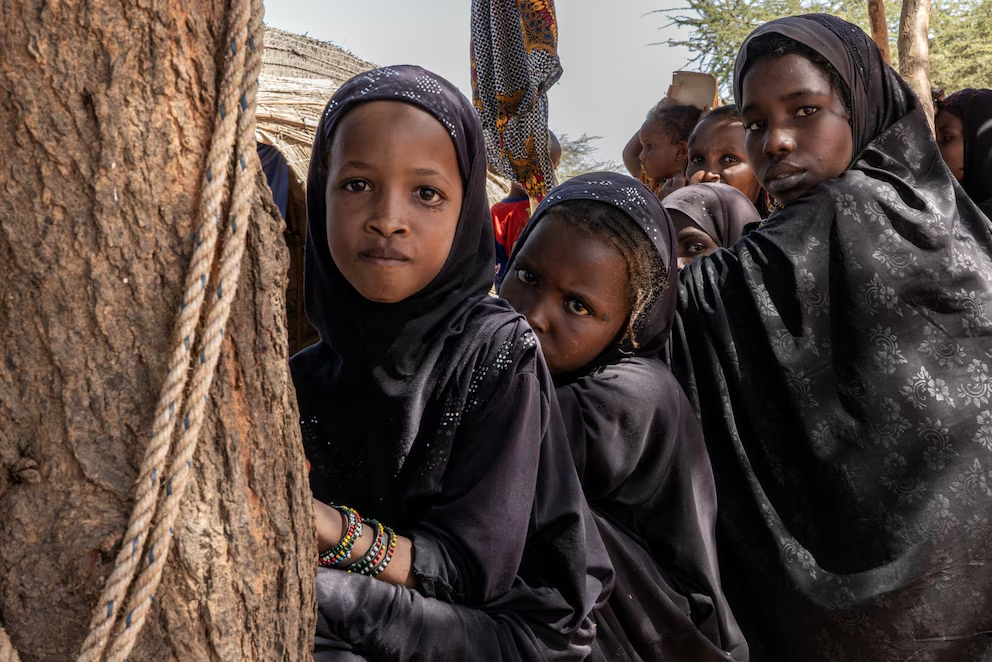
Survivors describe a wave of fear spreading across rural Mali as a new Russian trained force consolidates its presence.
Bamako, December 2025
In remote regions of Mali a pattern of violence has resurfaced with chilling familiarity. The unit deployed to replace the Wagner mercenary group, now operating under direct Russian military oversight, has become the center of growing allegations that echo the darkest episodes of recent years. Refugees arriving in the south speak of raids on villages, disappearances, assaults and executions carried out during joint operations between the Malian army and the newly arrived Russian contingent.
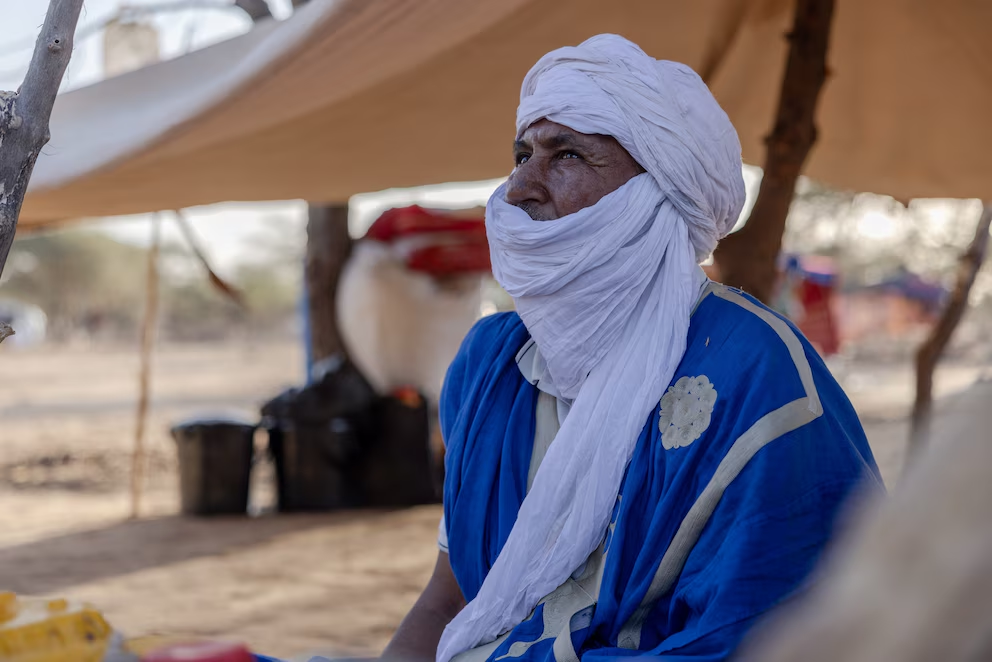
Witnesses recount that armed men dressed in dark uniforms entered communities without warning, detaining residents indiscriminately and accusing them of supporting insurgent groups. Several survivors say that homes were burned, livestock taken and personal belongings seized. Women reported abuses during night raids while men described beatings and forced interrogations. In regions where Wagner once operated, residents say the only thing that has changed is the name of the unit, not the methods.
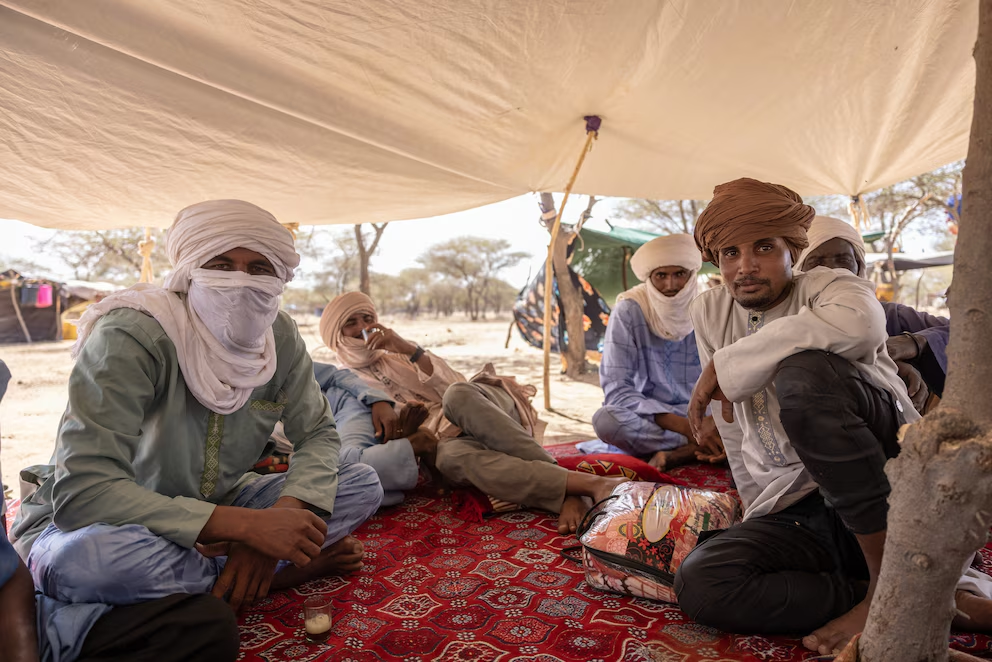
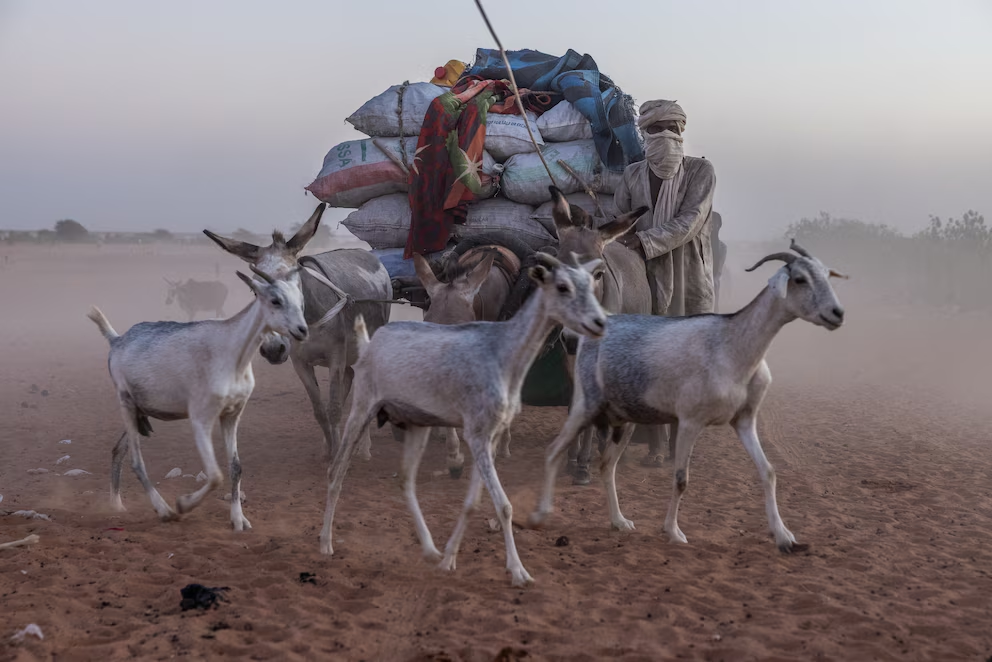
Local authorities insist that operations target extremist cells responsible for attacks across the country. However, community leaders argue that civilians have become routine victims of these offensives. They point to villages emptying at alarming speed as families flee toward safer areas, carrying little more than water and blankets. Border towns have seen a rise in displaced people seeking refuge after crossing harsh terrain on foot.
The new Russian force arrived with promises of discipline and structure following Moscow’s reorganization of its overseas military presence. For many Malians these promises have not materialized. Reports from rural districts describe growing fear and confusion as military convoys move through farmland and desert routes. Farmers say they no longer work fields far from their homes. School attendance has dropped as parents fear sending children out alone. Commerce across local markets has slowed as roads become increasingly dangerous.
Diplomats in Bamako express concern that the shift from Wagner to this new formation has done little to reduce instability. Some note that security operations appear more focused on consolidating territorial control than on protecting civilians. Humanitarian organizations cannot access several affected zones, and aid workers report that communication with local communities has become sporadic as residents hide or relocate to avoid clashes.
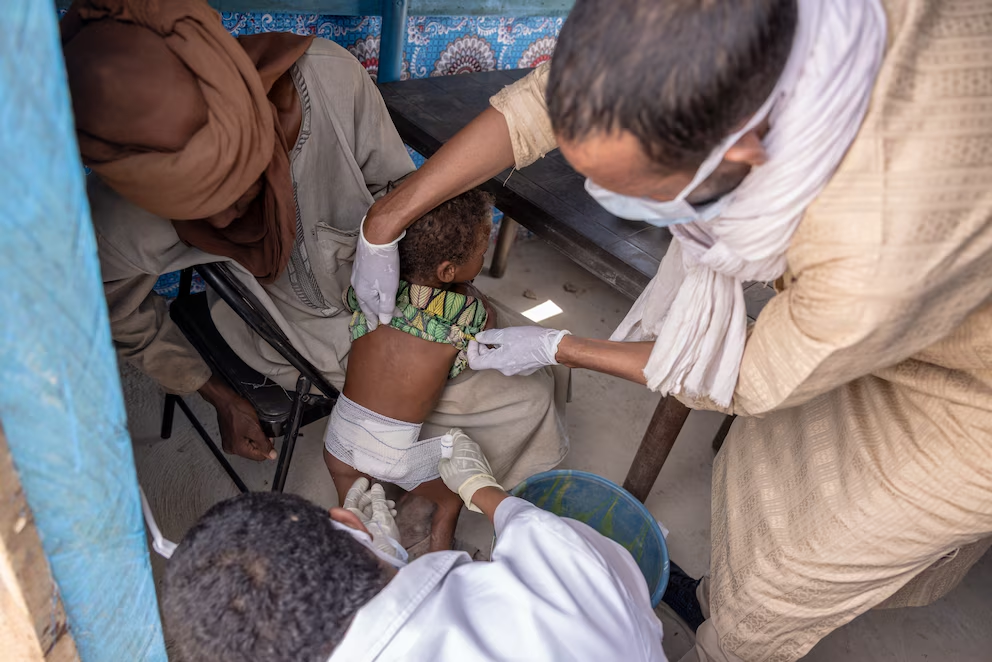
Residents who fled one district describe finding bodies left in open areas after operations. Others say they were ordered to leave immediately or risk being caught in the next sweep. A teacher who escaped with her two children described a night in which soldiers went door to door demanding information about fighters who no longer lived in the village. She said she saw homes set on fire as families ran for safety.
The Malian government maintains that the partnership with the Russian unit is necessary to restore stability after years of conflict. Yet critics argue that an approach centered on force alone risks deepening resentment and pushing more communities into desperation. They warn that fear cannot build peace and that violence against civilians will only widen the fractures already present across the country.
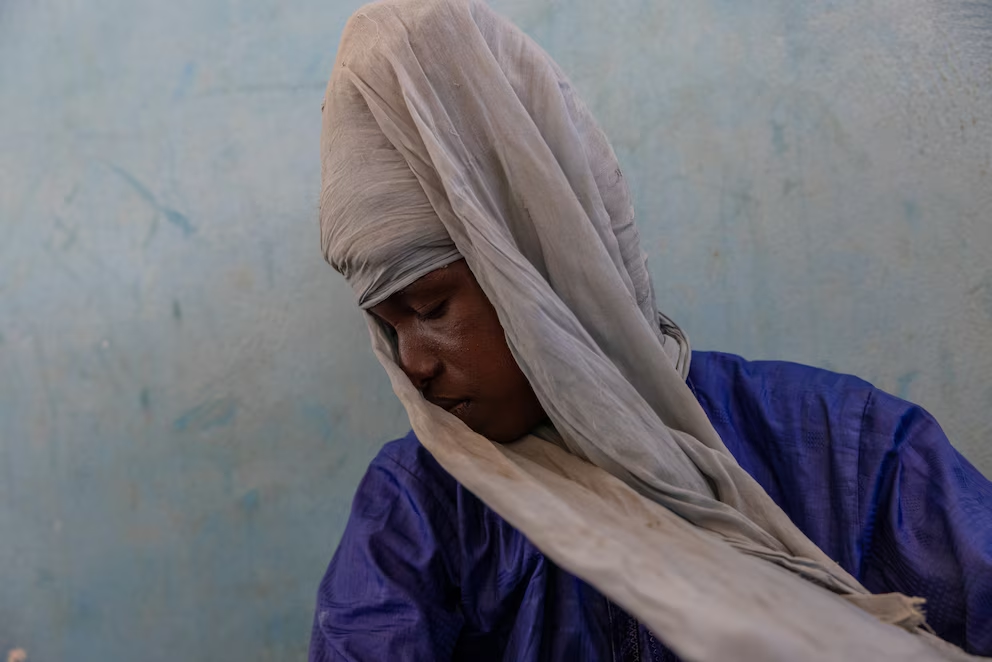
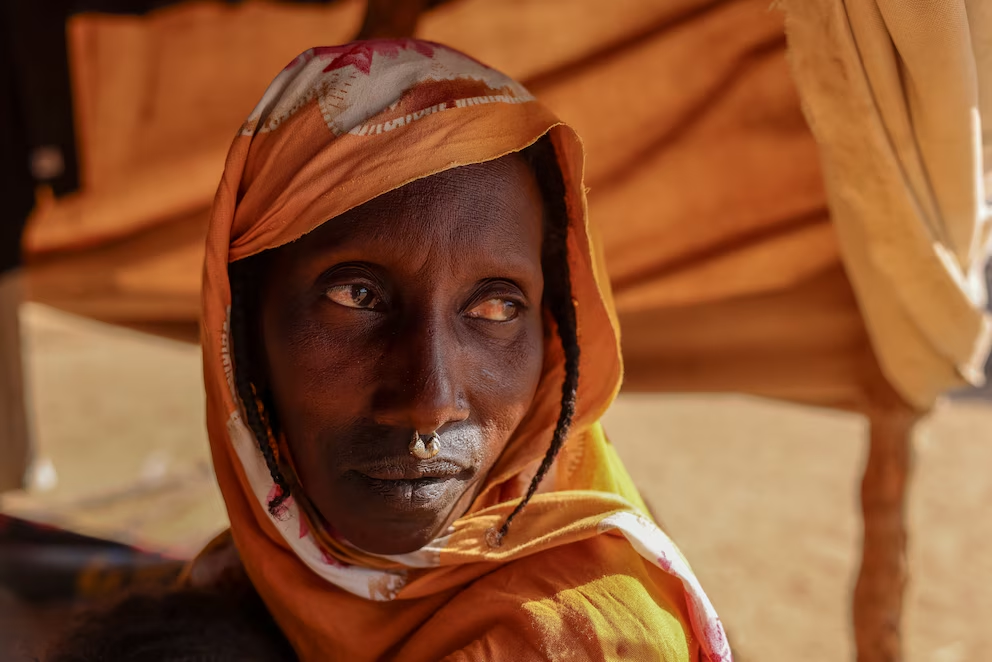
For families now residing in makeshift camps the priority is survival. Many say they do not know when or if they will be able to return home. They speak of villages abandoned, wells contaminated and fields unattended. Some hope for international monitoring while others simply want the fighting to move far enough away so they can sleep without listening for trucks in the night.
What is unfolding in Mali reflects a broader struggle over power, territory and influence. But for those living through it the conflict is measured not in geopolitical terms but in the loss of safety, identity and routine. The arrival of a new foreign force promised order. What many see instead is continuity of fear.
Phoenix24: against propaganda, memory.