

 Phoenix 24
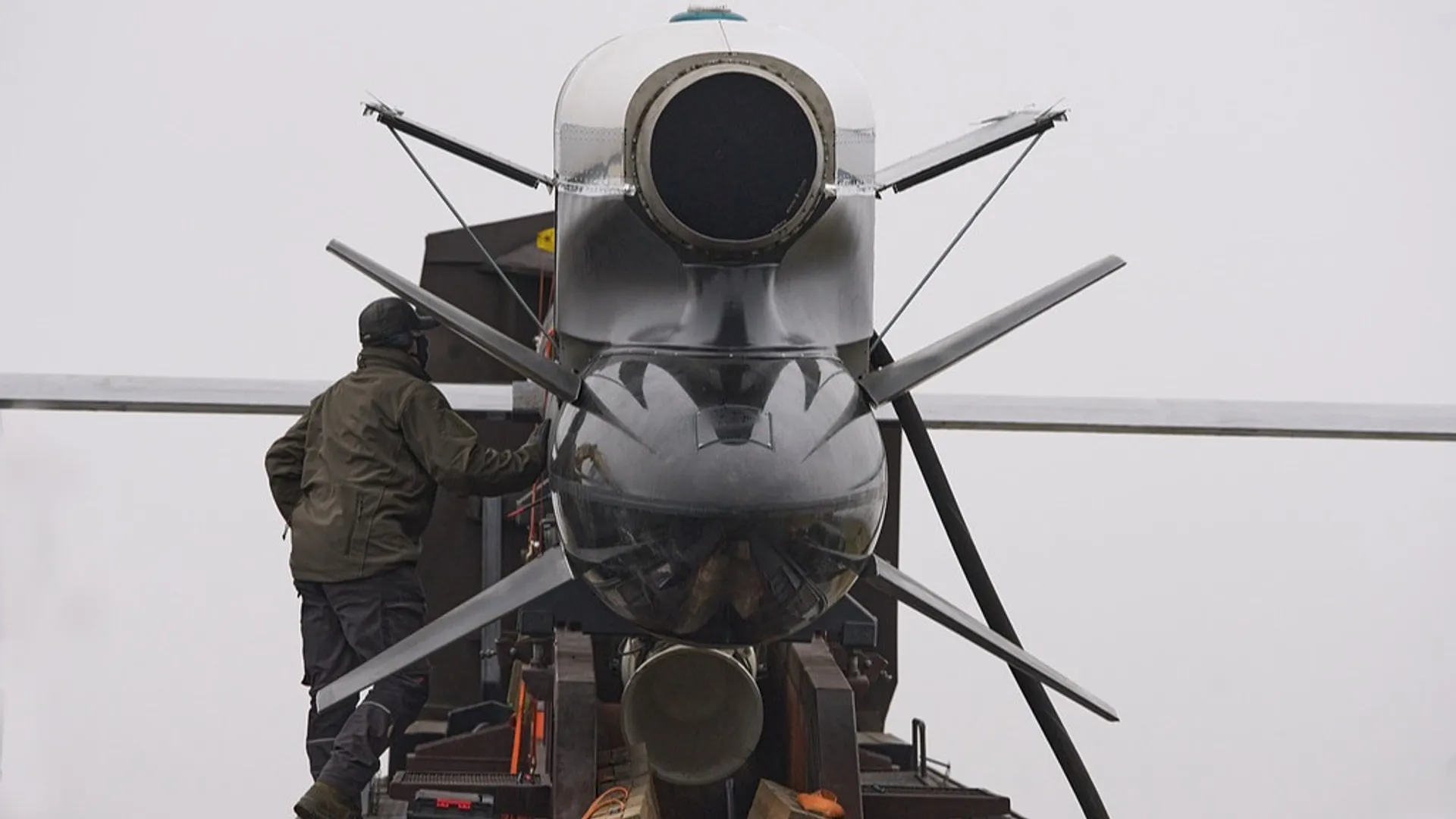
When the night sky becomes a battlefield, survival depends on more than shelter.
Kyiv, December 2025
Under the cloak of darkness, Russia unleashed what appears to be its most massive aerial assault of the war to date. Hundreds of drones accompanied by dozens of missiles swept across Ukraine, triggering air-raid alarms in multiple regions, damaging critical infrastructure and injuring civilians. The air force of Ukraine announced that the barrage targeted energy installations, transport hubs and populated areas, a pattern that suggests the attack was less about immediate military objectives and more about sending a message of destabilization and fear.
The scale of the strike shocked even hardened defenders. According to official Ukrainian counts, three-quarters of the drones and a significant portion of the missiles were intercepted. Yet the damage to power lines, railway depots and heating systems left thousands of households in the cold, disrupting access to electricity, water and basic services. For many Ukrainians winter came early — not as a season but as a test of endurance. In Kyiv region alone authorities confirmed multiple injuries among civilians and significant material losses.
The timing appears no coincidence. The assault occurred just as Ukrainian and U.S. delegations prepared to meet for another round of peace talks. Diplomats had hoped the negotiations might chart a path toward ceasefire or at least a truce in hostilities. Instead the bombs fell. For Kyiv the message was clear: as long as war endures, negotiations risk being overwhelmed by fire. For Moscow the spectacle served to reinforce leverage and uncertainty. With each missile, the war expands not just across front-lines, but into the homes of ordinary people, their infrastructures and their hopes for normalcy.
Observers across Europe and North America described the attack as a calculated escalation. The targeting of civilian infrastructure — energy networks, railways, utilities — marks a shift in tactics: away from purely military confrontations toward strategic pressure aimed at breaking societal resilience. Analysts warn that if this pattern becomes recurrent, the humanitarian toll may deepen with each winter, further eroding the ability of communities to recover. The broader implication is chilling: war becomes permanent not just through territory lost or gained — but through winter nights without heat, empty stations, broken lifelines.
International reactions were swift, though cautious. Allies of Ukraine condemned the attack as a direct violation of international humanitarian norms. Some issued statements of support and pledged more air-defense capacity, humanitarian aid and diplomatic pressure. Others called for renewed urgency in talks to prevent further escalation before the winter deepens. But the divergence in tactics among defenders — diplomacy on one side, missiles on the other — underscores a bleak reality: in this war, words often count for less than projectiles.
For the people of Ukraine the night will be long. They face not only the risk of missiles, but the harsher assault of cold, darkness and uncertainty. Electricity and water may return. Some rail lines may be repaired. But the memory of this night — the jolt of sirens, the rumble of explosions, the fear that no shelter is secure — will endure. And when history looks back, it may mark this moment as the night war stepped fully into the winter, turning geographic front-lines into everyday landscapes of danger.
Facts that do not bend. / Hechos que no se doblan.