

 Phoenix 24
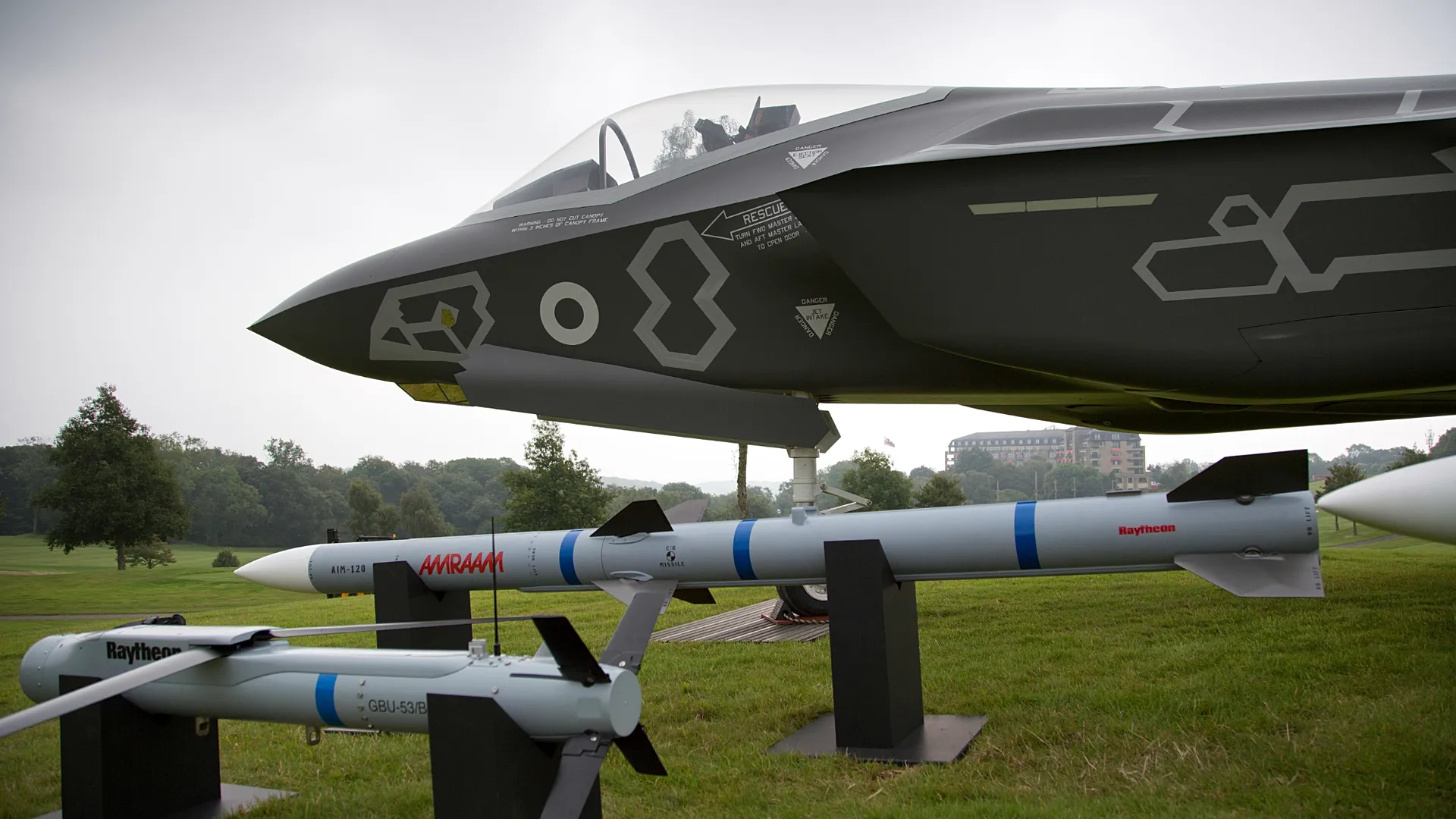
Sometimes a shift in strategy becomes visible not on the battlefield, but in the quiet arithmetic of national budgets.
Brussels, December 2025. Europe has entered a new defence cycle that few policymakers would have imagined a decade ago. Across the continent, governments have expanded military budgets to levels without precedent in the modern era, pushing collective defence spending to figures that reshape strategic expectations and challenge long standing political assumptions. According to analysts who track continental defence patterns, Europe’s financial commitment in 2024 exceeded three hundred forty billion euros, an unmistakable signal that rearmament has become a structural policy rather than a short term reaction to crises.
Germany emerged as the largest contributor, allocating an amount that approached one quarter of the entire European total. Specialists in Berlin described the shift as emblematic of a country abandoning its post Cold War reluctance to project military capacity. France followed closely, reinforcing its role as an anchor of strategic autonomy within the continent. Together, both states now account for nearly half of Europe’s defence spending, a concentration of investment that is beginning to define the regional balance of military capability.
The upward curve continues into 2025. Forecasts from institutions that examine European public finance estimate that defence spending will reach nearly three hundred eighty billion euros by the end of the year. The acceleration reflects a recalibration of threat perception. The ongoing conflict in Eastern Europe, maritime instability around global choke points and the rapid modernization of military forces in Asia have jointly influenced decision makers who have grown increasingly skeptical of relying on diplomatic inertia alone. As a result, defence is no longer treated as an optional expenditure, but as a core element of national resilience.
Investments in research and development have grown even faster than overall budgets. Security researchers in Scandinavia noted that states are channeling unprecedented funding toward advanced technologies, from cyber defence systems to autonomous platforms capable of operating in contested environments. The trend aligns with recommendations from international defence monitoring organizations that have warned repeatedly that Europe lags behind global competitors in technological innovation. The renewed emphasis on R and D indicates that governments intend not only to acquire equipment, but to transform industrial ecosystems that support long term capability.
Yet the rapid escalation of spending hides a set of internal tensions. Defence procurement in Europe remains fragmented across national lines. Manufacturers compete with overlapping product portfolios, and interoperability challenges persist within joint operations. Analysts in London argue that without structural reform, the increase in spending may produce inefficiencies rather than sustainable capacity. They highlight that Europe’s defence industry, although technologically competent, is divided by commercial competition, domestic political priorities and incompatible systems that limit collective output.
Smaller and medium sized states have also expanded their budgets, often aiming to meet alliance benchmarks that require defence spending proportionate to national income. In Central and Eastern Europe, the political momentum behind rearmament is particularly strong, driven by concerns about territorial security and the desire to modernize outdated equipment. In Southern Europe, increases have been more cautious but still reflect a shared understanding that the continent’s security environment has fundamentally changed.
Observers in Asia, especially those analyzing global defence markets, interpret Europe’s spending surge as part of a broader international realignment. They note that European states are positioning themselves to participate more actively in regional and global security frameworks. This shift may influence defence cooperation in the Indo Pacific, where European naval deployments have already increased. Analysts in the Middle East point out that Europe’s growing military presence, though still limited compared to major powers, has begun to alter calculations in regions where European influence has traditionally been diplomatic rather than military.
Economists in the United States observe that the financial commitment demonstrates Europe’s intention to shoulder more responsibility for its own defence. They also remark that increased European spending strengthens transatlantic defence industries and reduces the likelihood that Europe will pursue conflicting security agendas. However, they caution that rising defence costs could place long term pressure on public finances, especially in countries with aging populations and already stretched social systems.
Despite sustained political support, public sentiment across Europe remains mixed. While polls in several countries show growing concern about security issues, they also reveal anxiety about the tradeoffs required to maintain higher defence spending. Civil society organizations have raised questions about transparency, democratic oversight and the long term societal impact of militarization. For many citizens, the sudden normalization of large scale defence budgets represents a cultural shift as significant as any strategic policy.
What is clear is that Europe has crossed a threshold. The combination of geopolitical instability, economic interdependence and technological competition has compelled states to treat defence as an essential pillar of national planning. The pace of investment may stabilize in coming years, but the underlying rationale has taken root. Even if diplomatic conditions improve, the continent appears committed to maintaining a level of preparedness that reflects a world where risk is no longer distant or abstract.
Europe’s new defence era is therefore not defined solely by numbers. It reflects a transformation in mindset, one in which security is framed as a shared responsibility that demands long term investment, industrial cooperation and political cohesion. Whether Europe can translate higher spending into coherent capability remains an open question, but the financial groundwork is now undeniable. A continental rearmament is underway, and its consequences will shape Europe’s strategic posture for decades.
Phoenix24: truth is structure, not noise. / Phoenix24: la verdad es estructura, no ruido.