

 Phoenix 24
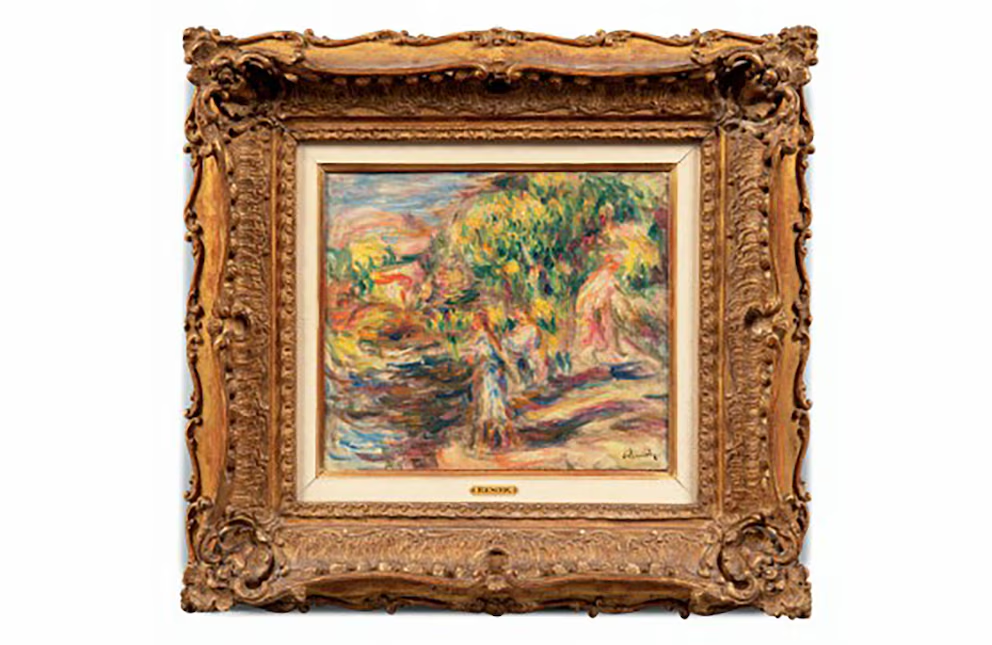
A painting once silenced by war returns to public view, carrying the weight of a history that still demands accountability.
Paris, November 2025
A work by Pierre-Auguste Renoir, seized during the Nazi occupation and hidden for decades within fragmented private holdings, is set to appear at auction after a prolonged legal fight that restored ownership to the family from whom it was taken. The canvas, known as Laveuse, had vanished into the labyrinth of wartime dispossession, passing through hands that left little trace and reemerging only after historians and lawyers pieced together its fractured provenance. The painting, modest in scale yet immense in symbolic consequence, will be offered for sale in early December with an estimated valuation that reflects not only its artistic merit but also the burden of its past.
The return of such a piece to the public sphere has renewed attention to restitution efforts across Europe. Specialists in cultural heritage stress that thousands of artworks seized between 1933 and 1945 remain unaccounted for, often concealed by incomplete archives, opaque sales and the reluctance of institutions to revisit controversial acquisitions. For them, each recovered work represents more than a legal victory; it functions as a fragment of memory brought back from enforced silence. Observers in North America highlight that the resurfacing of looted art sharpens public awareness of how cultural crimes continue to reverberate, challenging assumptions that the past is fully settled. Across Asia, where similar restitution debates have emerged regarding colonial era extractions, scholars see in this case a reminder that cultural property cannot be detached from the historical trauma that shaped its path.
The Paris auction invites ethical reflection within the art market. Private collectors drawn to the rarity of the painting must also confront the moral implications of acquiring an object intertwined with forced dispossession. Museum professionals argue that the appropriate home for works marked by wartime theft may be public institutions that can preserve their history rather than private collections that risk obscuring it behind closed doors. Others contend that the transparency of a public sale can in itself serve as acknowledgment of the past, ensuring that the history of loss and recovery accompanies the painting wherever it goes. In both interpretations the fate of the work transcends aesthetic appreciation, becoming part of a broader conversation about justice, remembrance and cultural responsibility.
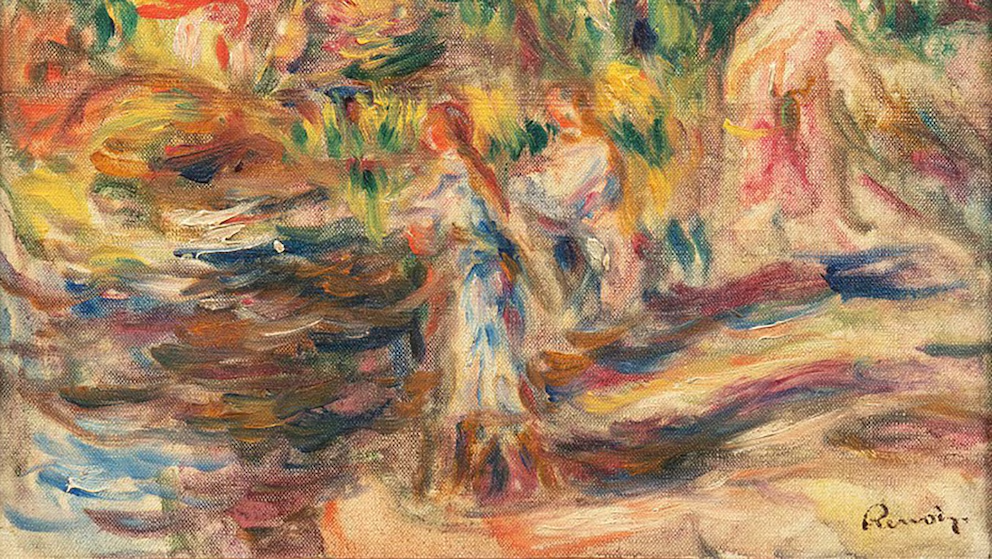
The case underscores how complex restitution processes remain even today. Lawyers, archivists and historians dedicated years to establishing the painting’s path from the home of a Jewish collector to its appearance in the care of intermediaries who never clarified its origins. The effort demanded cross border collaboration, and the final resolution required both legal precision and cultural sensitivity. With the painting now cleared to return to public view, its sale symbolizes the conclusion of a struggle that outlived the original owners and carried through generations.
As preparations continue in Paris, interest from institutions and private bidders grows, though the atmosphere surrounding the auction is one of sobriety rather than spectacle. The story of Laveuse reenters public consciousness at a moment when Europe is reevaluating the mechanisms through which it protects cultural property and confronts past injustices. The painting returns not as a trophy but as a reminder that the legacy of looting cannot be erased by the passage of time. Its reappearance urges a persistent question: who decides how the memory embedded in art is preserved.
Global narrative resilience. / Resistencia narrativa global.