

 Phoenix 24
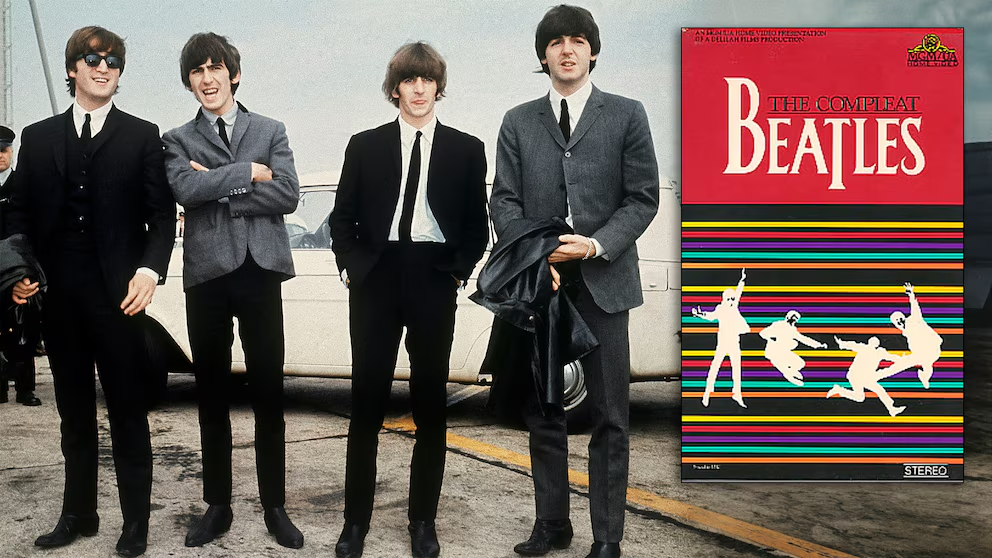
Some stories disappear not because they lack power, but because revealing them might change everything.
London, November 2025. A renewed wave of speculation has emerged around a long rumoured Beatles documentary that was allegedly purchased and quietly shelved by Paul McCartney decades ago, a film said to contain rare footage, candid conversations and behind the scenes material never shown to the public. The resurfacing of this story coincides with the release of a restored edition of the official Anthology project, prompting historians, collectors and fans to revisit one of the most enigmatic episodes in the group’s visual legacy.
According to accounts shared by individuals connected to archival circles, the hidden documentary was produced as an early version of what would later become the official Anthology. Filmmakers involved in the initial project reportedly crafted a version far more intimate than the final product, blending unfiltered interviews with moments that captured the band’s raw creative chemistry and the rising tensions that marked their final years. Scholars in Europe say that the unreleased version was considered too revealing at the time, portraying dynamics that did not align with the unified narrative the surviving members preferred to present.
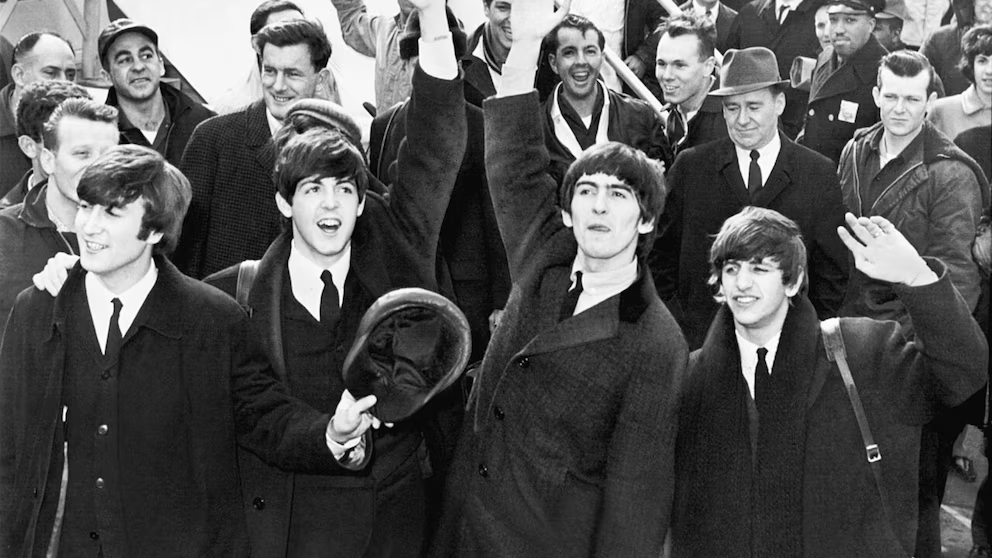
In North America, experts on music history note that The Beatles always navigated a delicate balance between transparency and curation. Their official releases carefully shaped public understanding of the group, emphasizing artistic brilliance while downplaying personal conflict. The idea that a more forthright documentary once existed adds emotional weight to a catalogue already defined by mythmaking. It also illustrates how cultural icons sometimes choose to protect their most vulnerable moments to preserve the essence of their legacy.
From Asia, archivists who study the preservation of audiovisual memory highlight that the suppression of such a documentary raises broader questions about artistic control. When creators intervene to stop the release of works that depict them authentically, they argue, the historical record becomes shaped not only by what is shown but by what is deliberately withheld. Some insist that hidden materials carry value precisely because they challenge established narratives and illuminate the human complexity behind cultural legends.
Reports suggest that the film included extended studio sequences, backstage exchanges, arguments, reconciliations and unreleased fragments of music. Some researchers believe that the footage captured decisive moments in the transition between the band’s late period collaborations and their eventual separation. Others claim it contains scenes that reveal the emotional fatigue and creative divergence that defined their final years. While none of this can be verified publicly, the persistence of the rumour reflects the fascination that surrounds any material capable of reshaping the mythology of the most influential band in modern music.
The reappearance of these claims comes at a moment of heightened global interest in The Beatles. The restored release of Anthology, combined with renewed attention on the band’s archives, has revived debates about what aspects of their story remain concealed. Cultural analysts in Europe point out that every major Beatles revival regenerates curiosity about what remains unseen, particularly when new remasters or rediscovered recordings hint at the possibility of hidden treasures locked away in private collections. In the Americas, music critics suggest that if the suppressed documentary truly exists, its contents could challenge long held assumptions about the band’s unity, leadership and creative process.
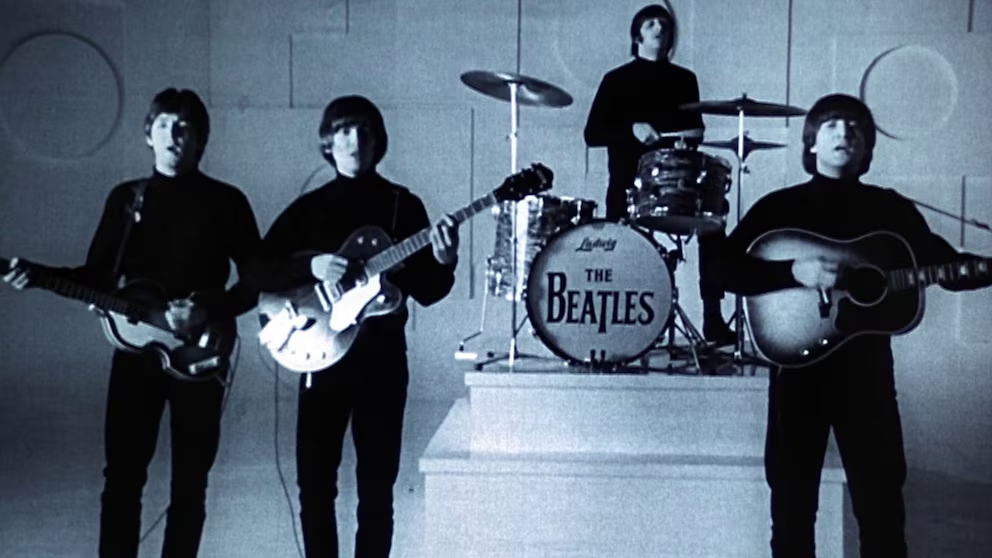
For fans, the mystery has become part of the legend. The idea of a lost film, sealed away to protect the band’s image, contributes to the mythical aura surrounding The Beatles. It invites speculation about what the world is not allowed to witness and what truths might lie behind the polished narratives that have shaped public memory. Some believe the film’s suppression was an act of artistic discretion, ensuring that the most personal moments remained private. Others think it reflects the complexities of managing a legacy so massive that even its shadows become objects of fascination.
As the restored Anthology reaches global audiences, the unanswered questions surrounding the hidden documentary gain new relevance. It remains unclear whether the film still exists, who controls its rights or whether it will ever be released. Yet its legend underscores a simple reality: even at the highest peaks of fame, not everything is meant to be seen. Some stories stay buried to protect emotions, reputations or relationships that history cannot fully explain.
Every silence speaks.
Cada silencio habla.