

 Phoenix 24
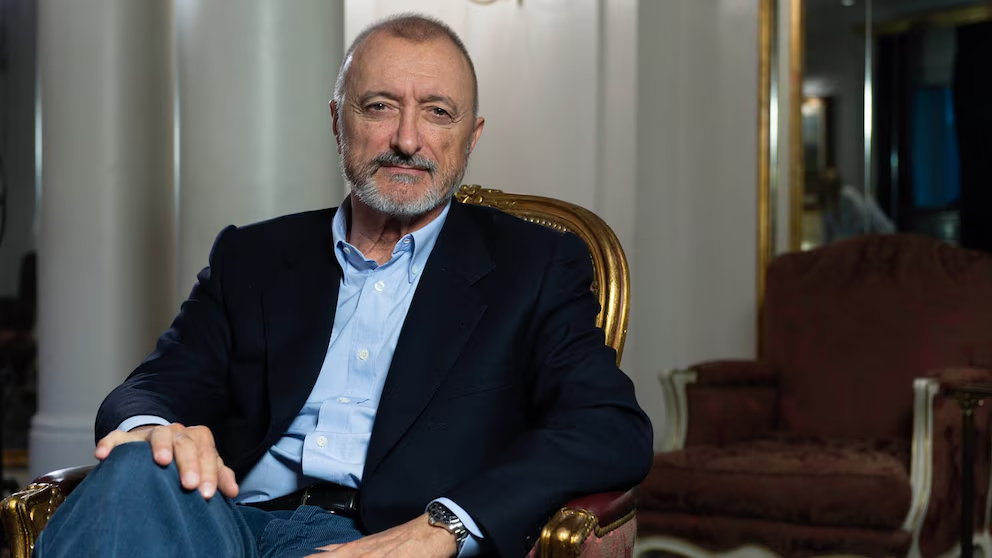
The Spanish writer marked his milestone age not with fanfare but with a curt remark that caught public attention—and revived his penchant for provocation.
Madrid, November 2025
As Arturo Pérez-Reverte reached his seventy-fourth year on 25 November, he offered a message atypical for public figures in celebratory mode. “Last night I was seventy-three, this morning I’m seventy-four,” he tweeted. “I assure you I notice no difference. I believe that turning years is slightly overrated.” What to some may read as a simple quip instead reveals deeper aspects of his public persona: a disdain for ritualised acclaim, a skepticism about age’s symbolic weight, and an unflinching comfort with contradiction. This posture resonates across his work and media interventions, and once again asserted his resistance to the expected trappings of author-celebrity.
Observers in Western Europe note how the remark encapsulates Pérez-Reverte’s career-long negotiation with legacy, celebrity and the passing of time. He has built his reputation not just on bestselling historical novels but on a voice that critiques the very culture that celebrates him. In Latin America, analysts of literary influence highlight how his refusal to conform to the author-brand model fits broader trends of authors reclaiming autonomy from their public image. Meanwhile in North America, media studies scholars point out that his dismissal of ritualised birth-dates taps into a wider critique of performative public life, especially among figures whose work thrives on disruption rather than endorsement.
In recent years, Pérez-Reverte’s statements have invited controversy as often as applause. His commentary on education, social media and European identity has repeatedly landed him in digital firestorms. Yet his tweet reveals a consistent theme: a rejection of symbolic milestones as markers of achievement. He implies that age itself merits no special reverence. Celebrations, by extension, become superficial unless anchored in meaningful action. Rather than mark seventy-four with glowing tributes, he turned the moment into a vantage point from which to reflect on time’s passage, on the transient status of fame and the interplay between public recognition and personal purpose.
His stance also carries generational nuance. As an author who first made his name in the late twentieth century and continues to publish and speak publicly into the twenty-first, Pérez-Reverte represents a cohort in transition. His gaze is no longer directed purely at youthful rebellion but towards enduring relevance. Turning seventy-four, he signals that longevity matters less than relevance and voice. The remark about age thus becomes a manifesto: to stay real rather than grow irrelevant, to provoke rather than become protocol.

From the broader perspective of literary culture, the incident underscores changing dynamics between authors and audiences. In an age where milestone birthdays often trigger media cycles and curated tributes, Pérez-Reverte subverts expectations by offering minimalism instead of spectacle. This refusal amplifies his identity as writer and provocateur—someone who operates outside conventional marketing rhythms and resists the elevation of symbolic moments over substantive work.
For Spain’s cultural scene, his gesture also amplifies ongoing questions about the role of public intellectuals. If the traditional author once embellished mythic status through ceremonies and accolades, Pérez-Reverte reminds us that the figure can instead reclaim authenticity by downplaying ceremony. His shift reflects a broader recalibration of cultural capital: fewer grand gestures, more continuous engagement. At seventy-four, the question he poses is not “What will I celebrate?” but “What will I still do?”
In this understated birthday note lies a challenge. Not just to time, but to the expectation that public figures must perform their age and achievements. For Pérez-Reverte, stepping into his seventy-fifth year may matter less than showing that the voice remains clear, the view still sharp, and the resistance to idle ritual intact.
Against propaganda, memory. / Contra la propaganda, memoria.