

 Phoenix 24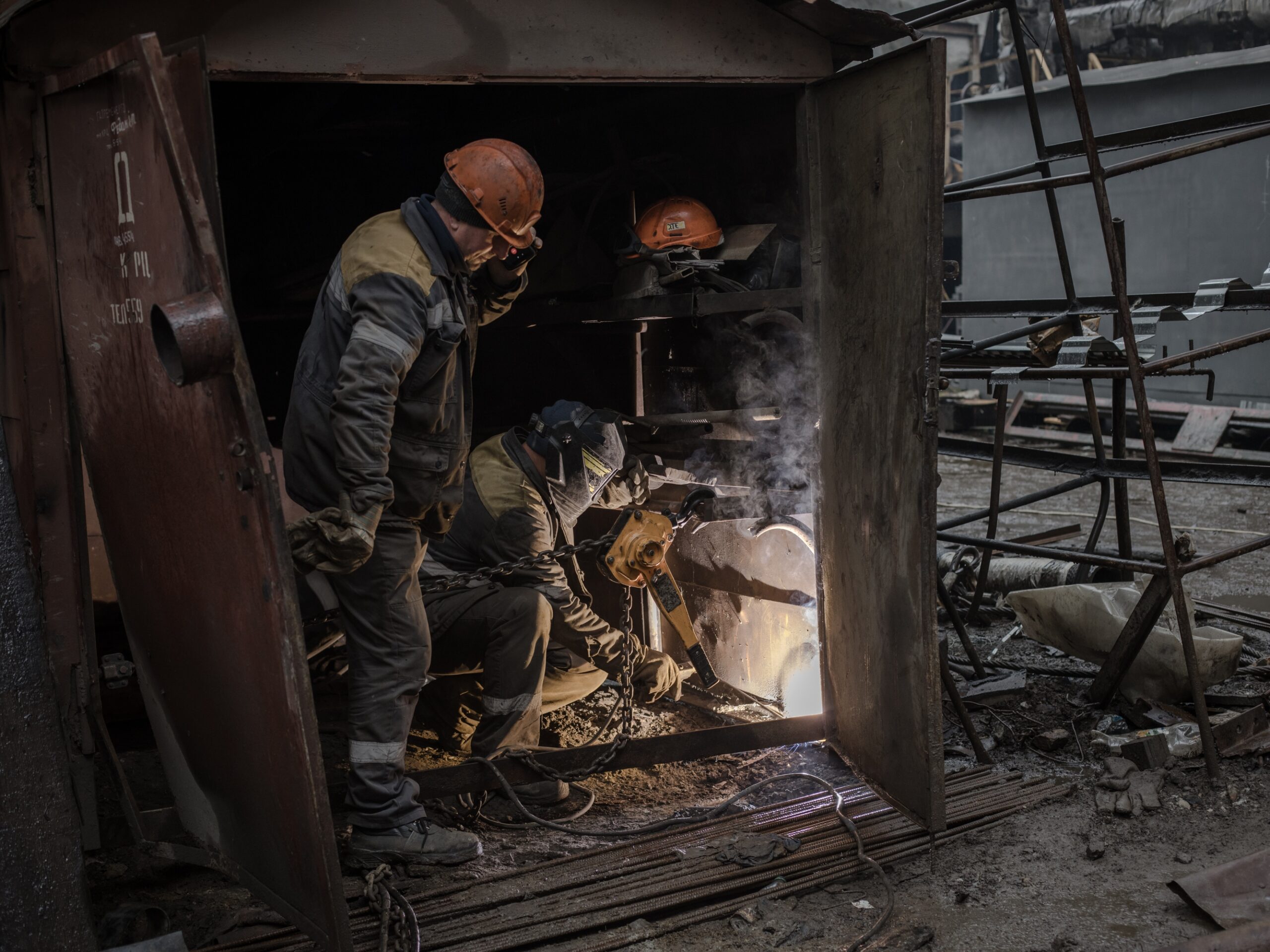
War is not only measured in territory lost, but in the darkness imposed on civilians.
Kyiv, November 2025.
Russia launched a new wave of massive missile and drone attacks against Ukraine’s energy infrastructure, targeting power plants, high-voltage substations and key distribution networks during the early hours of Saturday. The assault, described by Ukrainian authorities as one of the largest strikes in recent months, forced the government to activate emergency blackouts in multiple regions as engineers worked to stabilize the collapsing grid. Air-raid sirens sounded throughout the night in Kyiv, Odesa, Kharkiv and Dnipro. Explosions echoed across several cities as air-defense systems attempted to intercept the barrage of cruise missiles and Iranian-designed drones. The attack produced significant damage to critical facilities that supply electricity to residential zones, hospitals and transportation systems, prompting the Ministry of Energy to request immediate electricity rationing to prevent the grid from failing.
President Volodymyr Zelensky confirmed that the strikes were deliberately timed to hit peak consumption zones and warned that Russia is shifting back to its winter strategy: breaking civilian resilience by freezing access to basic services. Sections of Kyiv briefly lost power, while other regions experienced controlled blackouts lasting several hours. Technicians from Ukrenergo, the national grid operator, reported that crews were dispatched to multiple impact sites under ongoing air-alert conditions. The goal is survival, not restoration.

Local officials reported that fragments of intercepted drones caused fires in residential areas, and emergency services worked through the night to contain blazes and evacuate civilians. No total casualty count has yet been confirmed, but several injuries were reported from falling debris. Hospitals switched to backup generators and authorities urged the population to conserve electricity and water. Trains and transport services were delayed as the priority shifted to keeping power flowing to essential infrastructure. The attack also disrupted heating systems in several districts. With winter temperatures dropping, the blackout impact becomes more brutal than any direct explosion.
Ukraine framed the strike as terrorism against civilians, not a military operation, arguing that Russia’s aim is to collapse morale and exhaust resources. Analysts warn that the Kremlin is trying to turn energy into a weapon again, betting that darkness will achieve what battlefield force has not. Yet the emotional reaction inside Ukraine shows a different interpretation: the blackout no longer frightens. It angers. Families lit candles, cafés offered power outlets for charging phones, and social networks filled with messages reinforcing that resilience has become instinct.
The war has revealed a hidden battlefield: not on the front line, but in the ability of a nation to keep the lights on.
Detrás de cada dato, hay una intención. Detrás de cada silencio, una estructura.
Behind every fact, there is an intention. Behind every silence, a structure.