

 Phoenix 24
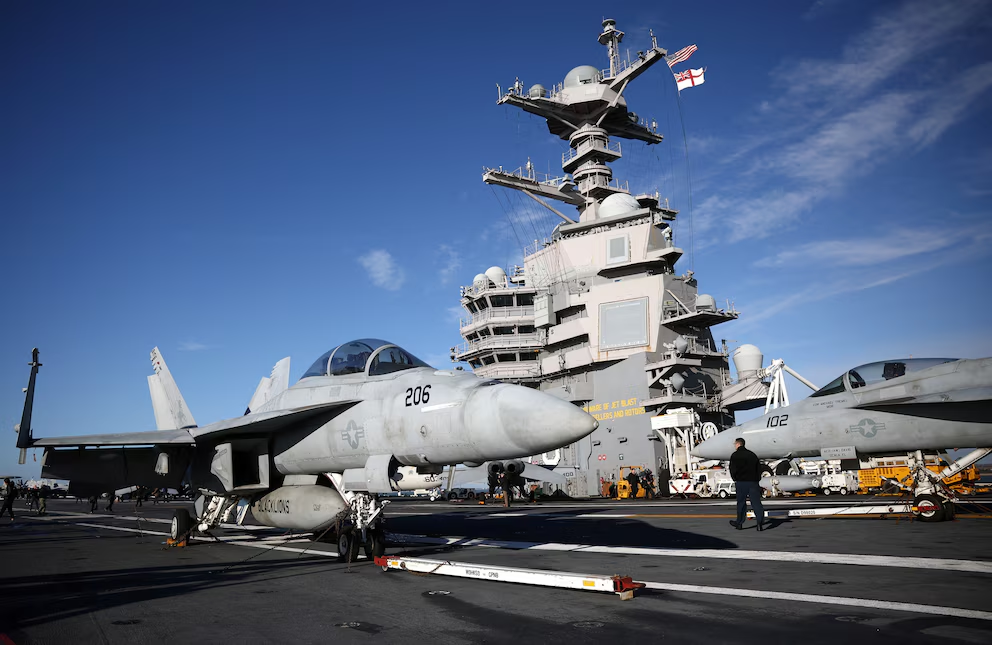
Power is rarely loud at the beginning. It whispers in the corridors before it moves the fleet.
Washington, November 2025
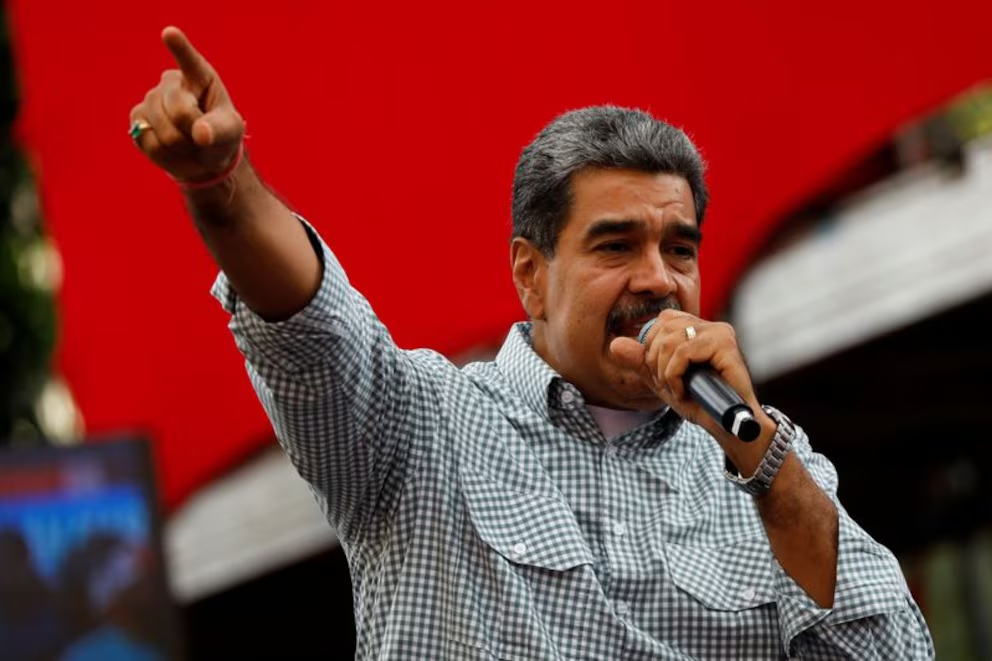
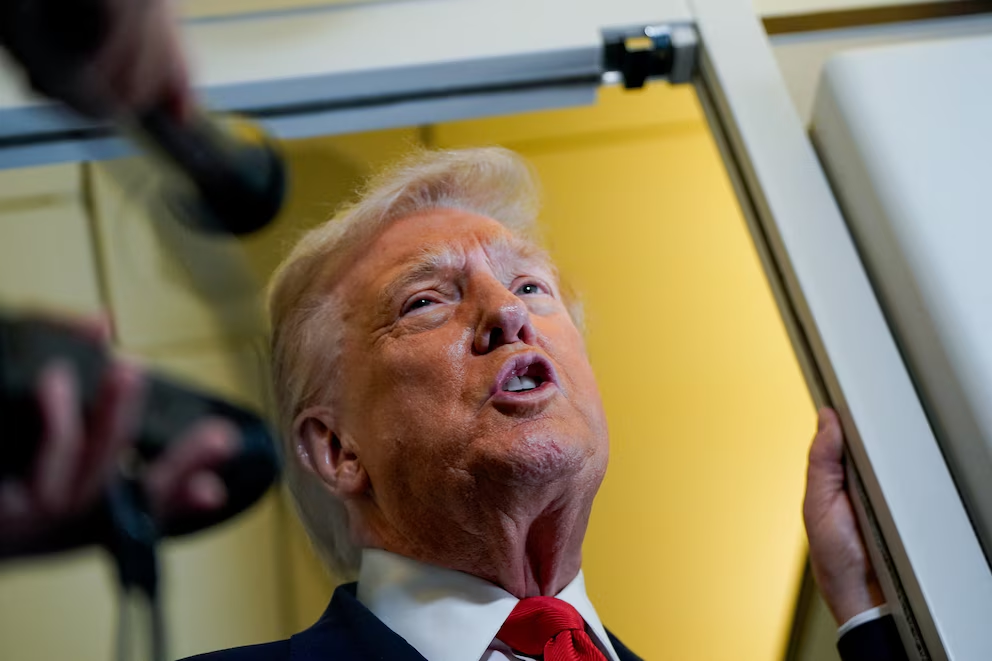
Internal documents circulating in high level circles of the United States indicate that former president Donald Trump and his defense advisers are evaluating military response options against Venezuela after recent clashes near maritime zones of strategic relevance in the Caribbean. According to people familiar with the briefings, the discussions do not guarantee imminent action, but they confirm a shift. Washington has begun considering the use of force instead of limiting pressure to sanctions and covert operations.
The conversations center on three variables. First, the scale of the potential strike. Second, the risk of escalation involving regional allies or adversaries. Third, the political cost of being perceived as the administration that returned the United States to a direct military confrontation in Latin America. Trump has told advisers that Nicolás Maduro has crossed “non negotiable lines”. He asked intelligence agencies to quantify the effects of a limited strike versus a broader operation targeting infrastructure linked to the Venezuelan military.
In Washington, analysts at a major strategic think tank in the United States point out that the Pentagon is pushing caution. A limited strike could trigger unpredictable retaliation. A broad attack could destabilize the entire Caribbean and produce a wave of migration that would immediately affect states along the US southern border. Political advisers to Trump recognize another concern. Once a strike begins, what comes after. Military pressure is easy to start and difficult to control.
In Europe, security officials within the Council on Foreign Relations of the European Union have warned that an open conflict could fracture the fragile consensus around sanctions and humanitarian aid. Several European governments fear that a unilateral action by the United States would push Caracas deeper into alliances with Moscow or Beijing. For Brussels, the danger is not the strike itself, but what follows if the government in Caracas uses the attack as justification for repression or internal purge.
From Asia, analysts at a research institute in Singapore note another concern. China has increased its presence in Venezuela through credit lines, investment in extractive industries and satellite cooperation. If the United States attacks, Beijing could interpret the move as a threat to its assets. The conflict would stop being bilateral. It would become a proxy confrontation. The tension is not only military. It is financial and commercial.
Inside the United States, the Central Intelligence Agency has expanded its intelligence collection capabilities in the region. Multiple sources confirm that teams trained in cyber intrusion and signals interception have intensified efforts to monitor military communication networks in Venezuela. The objective is simple. Measure intent. Anticipate movement. Identify internal fractures. For any operation to succeed, Washington needs to know not only the strength of the Venezuelan defense apparatus but its breaking point.
Venezuela has responded with predictable language. Caracas accuses Washington of imperial aggression, claims absolute sovereignty and emphasizes that the United States has no legal authority to act without authorization of the United Nations. But behind the rhetoric, the Maduro government has begun to quietly move assets. Satellite imagery confirms increased activity near three air bases and unusual movement in coastal radar stations.
The psychological terrain also matters. Trump believes that projecting force deters escalation. His advisers agree that credibility is central to diplomacy. If the United States threatens but does not act, Caracas will conclude that Washington is bluffing. If Washington acts before consolidating regional alignment, it risks isolation.
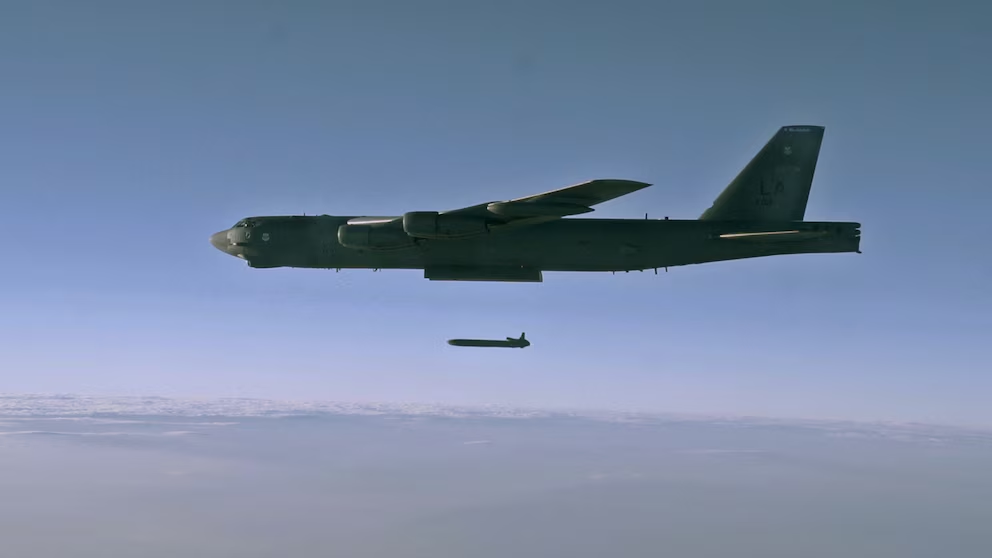
The situation has moved from theoretical to tangible. A naval group of the United States recently carried out exercises in international waters of the Caribbean. According to defense observers, these movements are calibrated signals. Not an order. Not a retreat. A message.
Latin American governments are publicly silent but privately uneasy. Several fear that a strike against Venezuela could revive historical ghosts of interventionism. Others believe that without pressure the Venezuelan crisis will continue to feed instability across borders. The region is divided. Neutrality becomes complicity for some. Intervention becomes danger for others.
Trump’s advisers insist that every option remains on the table. However, one detail reveals the true state of deliberation. Intelligence agencies have been instructed to model humanitarian impact scenarios and internal collapse trajectories. That step only occurs when a theoretical option becomes a real possibility.
The question is no longer whether the United States can attack. It is whether attacking solves anything.
The hemisphere is entering a moment where silence says more than declarations. Movements on the sea and signals in encrypted channels reveal intentions long before leaders speak. The Caribbean is quiet. That is what makes it tense.
When power prepares to move, it does not shout. It organizes.
Geopolitics, unmasked.
Geopolítica, sin maquillaje.