

 Phoenix 24
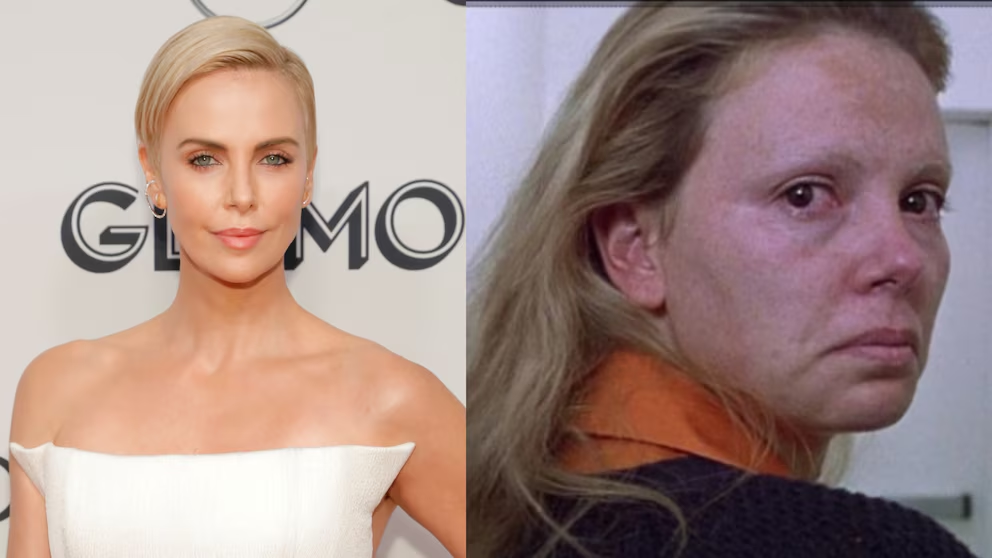
In the stillness of transformation, truth ceased to look beautiful.
Los Angeles, November 2025.
There are roles that decorate a career and roles that destroy it to rebuild something truer. Charlize Theron chose the second path when she decided to become Aileen Wuornos, the Floridian serial killer whose rage, isolation and despair exposed the underbelly of America’s myths. The year was 2003. Hollywood was still ruled by beauty as currency, but Theron traded hers for a face the world would rather not see.
To inhabit Wuornos, she gained weight, erased her eyebrows, wore cracked prosthetic teeth and watched her own reflection dissolve each morning in the makeup chair. What remained was not disguise but erasure. She once said that looking in the mirror during filming was like meeting someone who had survived her. The metamorphosis was physical, but the real descent was internal. She studied not the murders but the silences between them, the tremor in the voice that still wanted to be human.
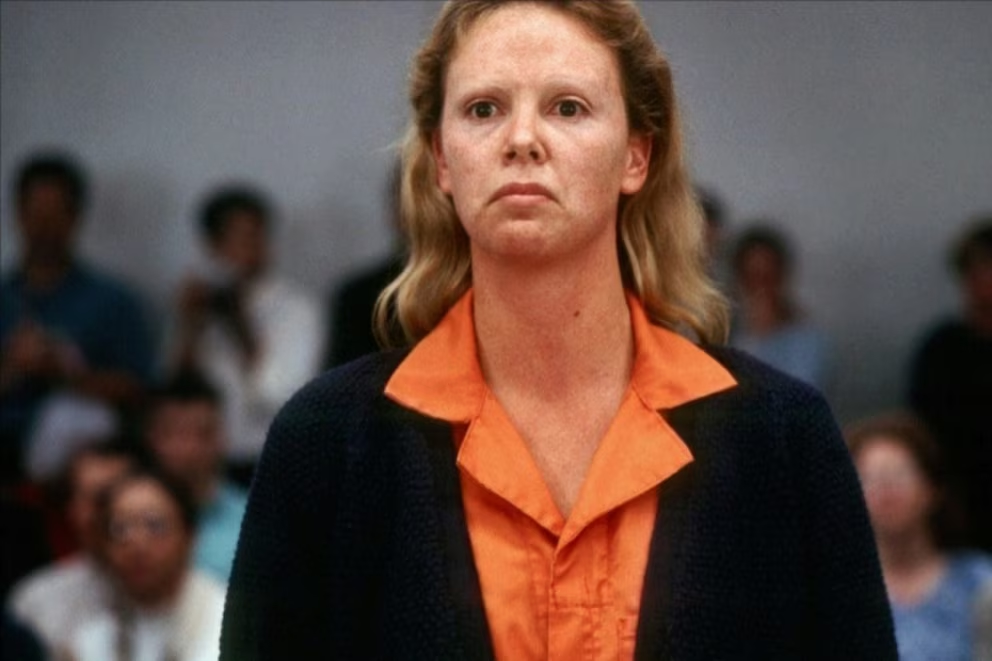
On set, she stayed inside the fracture. She refused glamour, refused pity. Her walk became heavy, her breathing unsteady, her eyes fixed on something distant and unreachable. Those around her spoke of an actress vanishing in plain sight, of a presence so raw that it unsettled even the crew. The performance stopped being imitation and turned into embodiment, as if empathy had crossed into possession.
When Monster premiered, the shock was not only cinematic. The industry that had sold her as perfection now had to confront imperfection as truth. The Oscar that followed seemed almost secondary to the rupture she caused: an actress daring to become unrecognizable in a culture built on recognition. Her work did not beautify pain; it translated it.

Two decades later, the film remains more than a biopic. It stands as a study in identity and ethics, a meditation on what happens when empathy touches its limit. Theron’s portrayal of Wuornos is not a defense but a revelation of how brutality and loneliness can coexist with traces of grace. The performance asks a question no award can answer: how far must one go to find the humanity inside horror?

In disappearing, Theron found a new language for acting — one where transformation is not artifice but confession. She showed that courage sometimes begins where vanity ends. The monster on screen was never the woman she played; it was the reflection of a system that turns women into myths only after breaking them.
Detrás de cada dato, hay una intención. Detrás de cada silencio, una estructura.
Behind every fact, there is an intention. Behind every silence, a structure.