

 Phoenix 24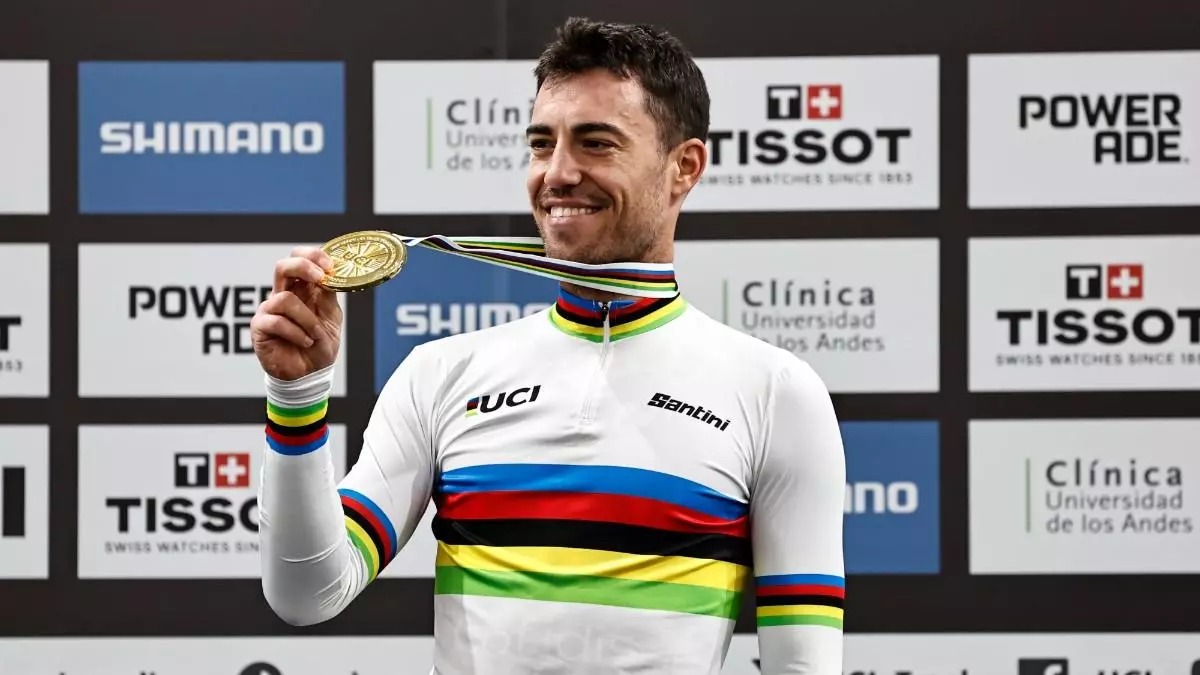
A final sprint of precision and endurance turned experience into gold.
Santiago de Chile, October 2025
Spain’s Albert Torres has captured the omnium world title at the UCI Track Cycling World Championships, sealing a milestone in his seventeen-year professional career. The 35-year-old cyclist combined tactical patience and raw endurance to dominate the four-event competition — scratch, tempo, elimination and points race — reclaiming Spain’s presence at the top of the velodrome world.
Officials from the International Cycling Union confirmed that Torres led from the midway stage, maintaining steady margins in every round. His win represents a rare late-career peak, the product of persistence after an early-season injury that had forced him to rebuild training routines and adopt a minimalist racing calendar.
The triumph is Spain’s first global gold in the men’s omnium in nearly a decade and a validation of its track-cycling programme, which continues to produce elite riders despite budget constraints. Analysts from European sports institutes observed that Torres’s performance showed how strategic control can outclass youthful explosiveness in endurance disciplines.
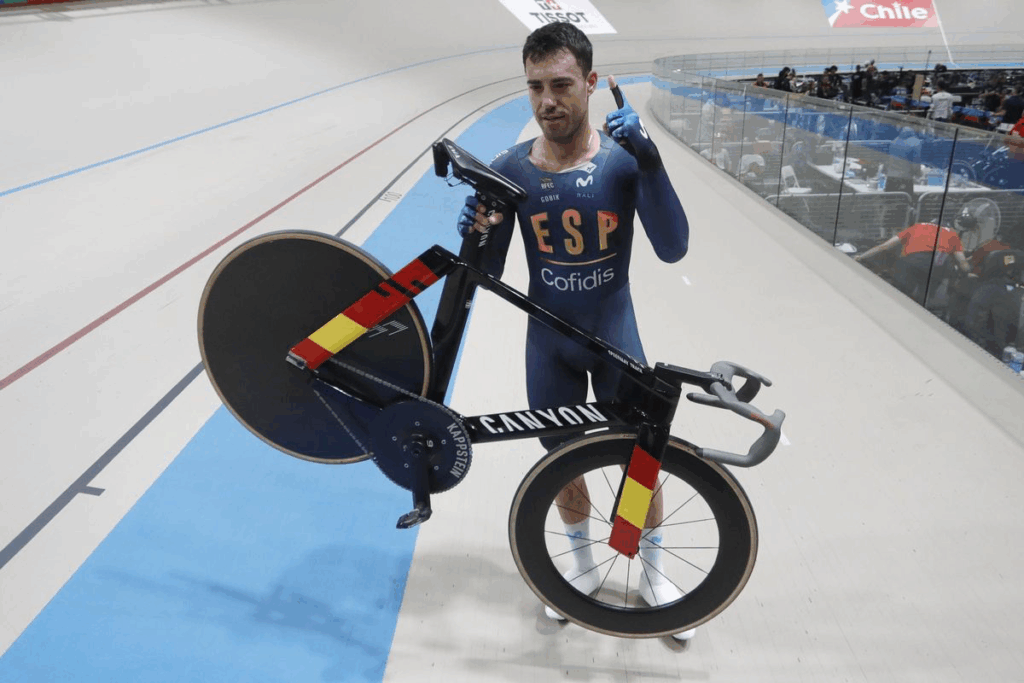
From Latin America, the Chilean organizing committee hailed the event as a showcase of continental infrastructure and collaboration under the new UCI protocol for global venues. In Asia, cycling observers noted the significance of Torres’s victory amid the growing competition from emerging teams in Japan and South Korea — a reminder that experience remains a decisive edge even in the sport’s most technical format.
Torres’s own account of the race was understated yet revealing. He described the win as “a personal vindication after years of near misses,” crediting his coaching staff and teammates for rebuilding confidence after injury. His style, characterized by calm positioning and rapid final accelerations, offered a master class in timing under pressure.
Beyond the podium, the title highlights a quiet evolution within modern track cycling: an emphasis on data-driven pacing and psychological resilience rather than pure speed. Experts from North America’s performance centres see in Torres’s case a model of sustainable athletic longevity — proof that adaptation can rewrite the limits of age and endurance.
As he lifted the rainbow jersey before a roaring crowd in Santiago, the moment transcended sport. It was the image of a veteran who, through discipline and design, turned persistence into architecture for victory — a story where the line between endurance and wisdom finally blurred.
Analysis that transcends power. / Análisis que trasciende al poder.