

 Phoenix 24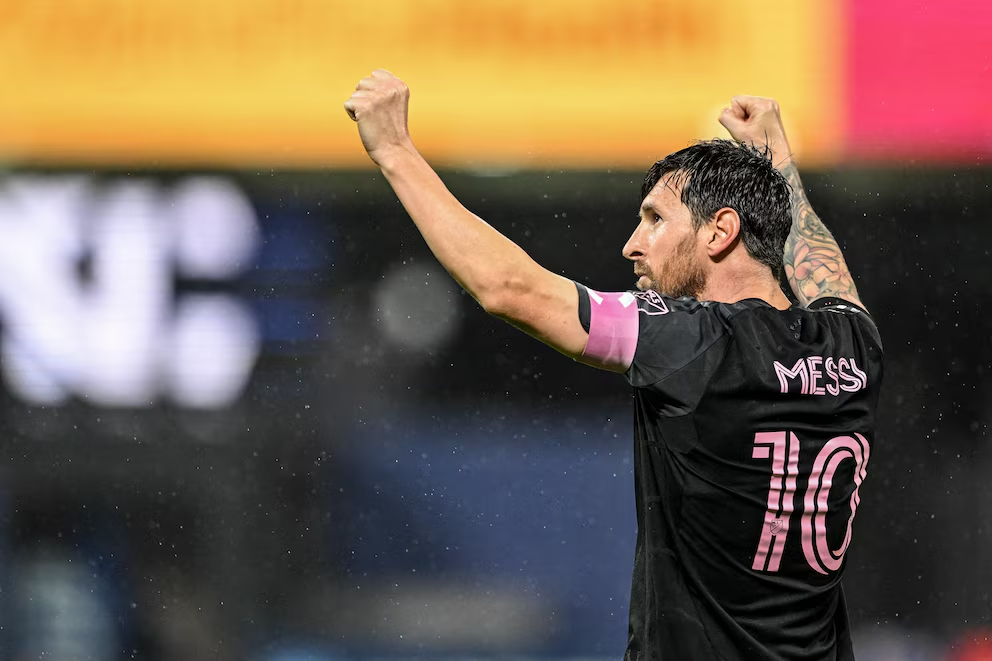
When legends step aside, the future must be built around the last beacon still burning.
Miami, October 2025
As two of Lionel Messi’s closest allies on the pitch prepare to end their careers, Inter Miami is entering a critical period of transition. The confirmed retirements of Sergio Busquets and Jordi Alba — teammates from Barcelona’s golden era and pillars of the MLS club’s recent rise — have forced the franchise to rethink its sporting strategy from the ground up. At the center of that reconstruction stands Messi, not only as a player but as the cornerstone of an ambitious project designed to transform Inter Miami into a global powerhouse.
The plan unfolding inside the club’s headquarters goes far beyond replacing two departing veterans. According to sources close to the organization, Miami’s leadership — spearheaded by the Mas brothers and co-owner David Beckham — is preparing an aggressive recruitment campaign aimed at building a roster capable of extending Messi’s competitive window and securing trophies on both domestic and international fronts. The strategy involves a mix of high-profile signings, strategic acquisitions from Europe and South America, and a renewed investment in youth development.
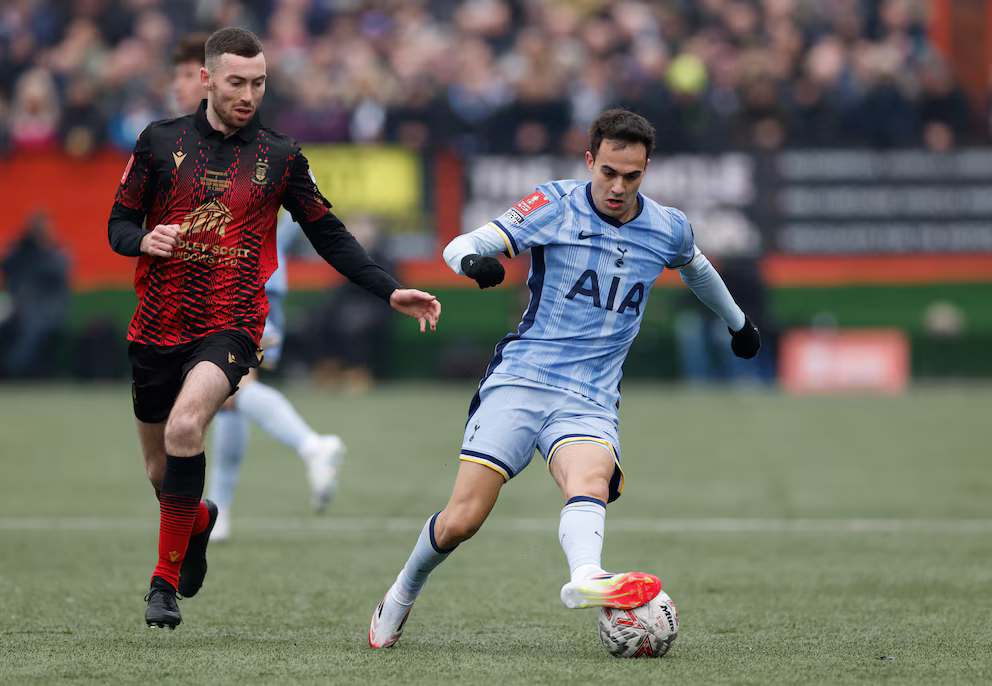
One of the most advanced negotiations involves Spanish left-back Sergio Reguilón, who recently became a free agent after his stint at Tottenham. He is seen as the natural successor to Alba and would immediately strengthen a defensive line that has struggled with depth and consistency. But the plans do not stop there. The club is also targeting at least two marquee signings for midfield and attack, with several names under active discussion. While officials have declined to confirm specific targets, insiders suggest that Inter Miami is exploring options in the Premier League, La Liga, and Brazil’s Serie A — leagues known for producing players who can elevate MLS competition levels.
The renewed ambition reflects more than just sporting aspirations. Messi’s arrival in 2023 triggered a revolution in the club’s fortunes: attendance soared, merchandise sales exploded, and Inter Miami’s global profile skyrocketed. Revenue has reportedly increased from approximately 50 million dollars before his arrival to nearly 130 million in 2024, with projections exceeding 300 million in 2025. These numbers underscore Messi’s dual role — not only as the team’s leader on the field but also as a financial engine driving the club’s broader business strategy.
Inter Miami’s leadership understands that retaining Messi’s motivation is as important as retaining his contract. The Argentine star’s family is now deeply rooted in Florida, and his sons are enrolled in the club’s youth academy, which recently unveiled a new kit featuring Messi’s personal brand logo. This integration signals that his influence extends well beyond match days: he is shaping the club’s culture, identity, and long-term vision.
There is also a strategic calculus at play regarding Major League Soccer itself. With the 2026 World Cup approaching and North America set to become the center of global football attention, Inter Miami sees an opportunity to position itself as MLS’s flagship club — a brand synonymous with excellence and ambition. Building a team around Messi capable of winning championships would not only enhance the club’s legacy but also solidify the league’s credibility on the world stage.
Still, significant challenges remain. The MLS salary cap and roster regulations impose strict limits on how far Inter Miami can push its ambitions. Negotiations with Messi over a potential contract extension — likely to include a mix of salary, equity stakes, and ambassadorial roles — must be approved by league authorities. Balancing star signings with compliance requirements will require creative solutions and potentially complex financial engineering.
There is also the emotional dimension of transition. Busquets and Alba were more than teammates; they were extensions of Messi’s footballing mind, offering a shared understanding developed over years of elite competition. Replacing that chemistry will not be easy, and the club will need to find players capable of adapting quickly to Messi’s playing style and leadership dynamic.
Yet, for all the uncertainty, one fact is clear: Inter Miami is not content with nostalgia. The departures of Busquets and Alba mark the end of one chapter but also the beginning of another — one in which Messi remains the central figure, surrounded by a new generation tasked with carrying his legacy forward. If the club’s vision succeeds, the coming seasons could define not just Messi’s final act as a player but the future trajectory of soccer in the United States.
Beyond the news, the pattern. / Más allá de la noticia, el patrón.