

 Phoenix 24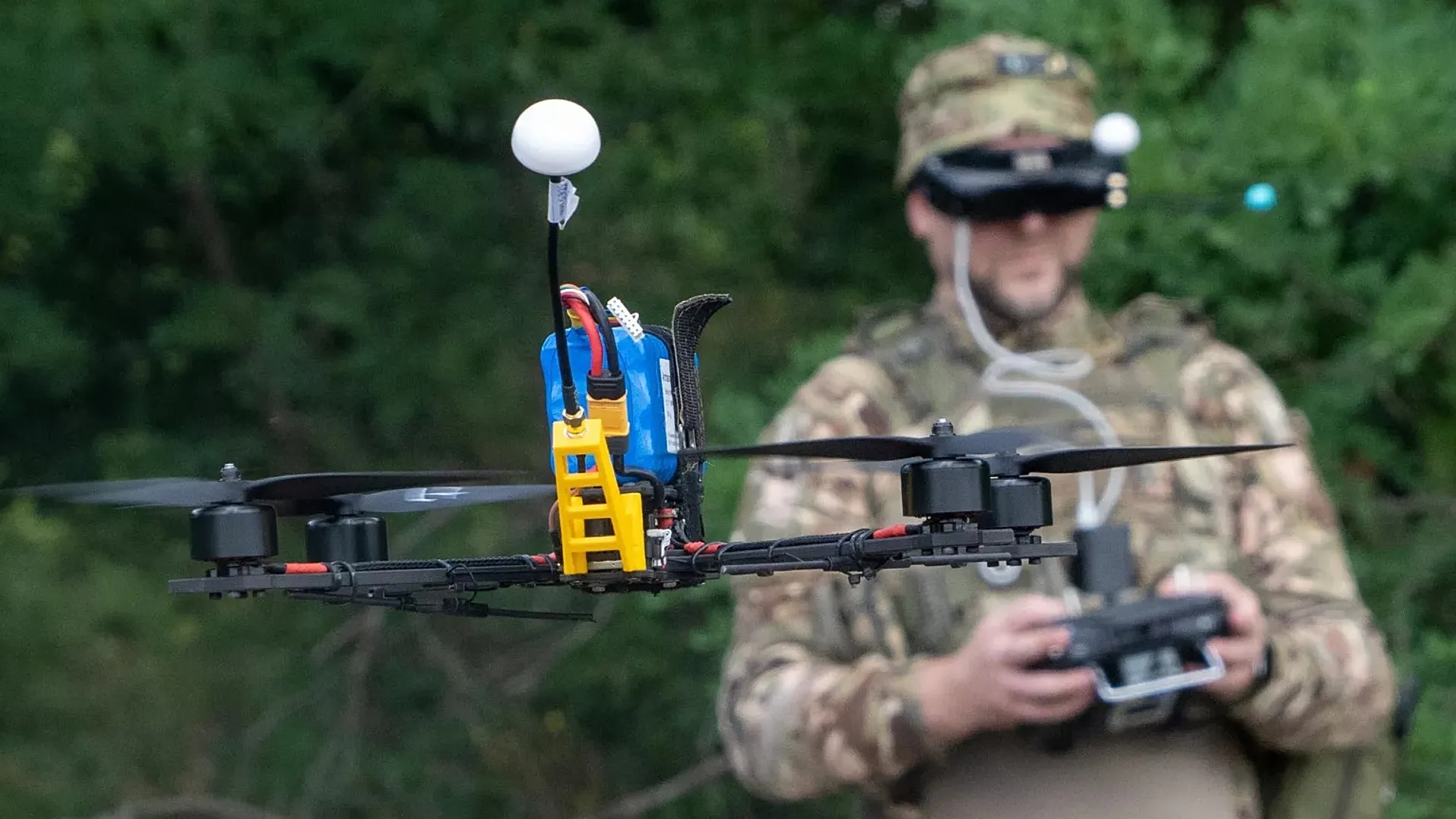
A coordinated drone offensive deepens the conflict’s logistical warfare and raises the stakes of military escalation.
Kyiv, October 2025
Ukraine’s military leadership has claimed responsibility for overnight drone attacks that struck a Russian ammunition factory in the Nizhni Novgorod region, an oil terminal in Crimea, and a weapons depot operated by the 18th Combined Arms Army. Explosions and fire reportedly engulfed these strategic sites, intensifying pressure on Russia’s military supply lines and infrastructure behind the front.
According to Ukraine’s General Staff, the ammunition plant at Sverdlov, which produces aviation ordnance, artillery shells, anti-aircraft and anti-tank munitions, was hit directly during the operation. The assault also targeted a fuel facility in Crimea, igniting fires and disrupting the energy flows that support Russian operations on the peninsula. Finally, a munitions depot serving the Russian 18th Army was bombarded to degrade Moscow’s forward logistics.
In response, Russian authorities confirmed that they intercepted a large number of Ukrainian drones over fourteen regions, including Crimea, as well as over parts of the Black Sea and Sea of Azov. The defense command claimed to have shot down 251 drones, calling it among the heaviest drone bombardments launched by Ukraine into Russian territory to date. Meanwhile, the governor of Nizhni Novgorod stated that the local air defenses repelled an incursion by twenty drones targeting the industrial zone around the plant, and insisted no facilities were substantially damaged.
Military analysts observe that the operation reflects Ukraine’s growing reliance on long-range unmanned aircraft to project force beyond the front lines. The use of drones to strike energy hubs, ammunition production centers, and rear depots marks a shift from purely tactical strikes to systemic targeting of Russia’s war economy. Observers in Washington and Brussels warn that the escalation could provoke stronger countermeasures and complicate the operational calculus for both sides.
Ukraine’s emphasis on expanding its domestic arms production plays into the strategy. Kyiv has publicly revealed ambitions to export excess weapons systems later this year, using revenues to acquire more advanced munitions and air defense systems it cannot yet produce. At a defense industry forum, President Zelensky asserted that over forty percent of the weapons used on the front are now either domestically produced or developed with Ukrainian technical assistance. He projected that future exports may involve collaborations with European states or with the United States.
For Russia, the attacks test the resilience of its defensive buffer zones and demand adjustments in how rear areas are secured. Moscow must allocate additional resources to anti-drone capabilities, air defenses, and hardened infrastructure. The heavy aerial pressure also could expose vulnerabilities in Russia’s logistics chains, particularly the supply routes fueling its ongoing operations in southern and eastern Ukraine.
Beyond the tactical dimension, the raid carries symbolic weight: it signals that Ukraine is no longer confined to countering assaults at the front but increasingly capable of punching deep into Russian territory. In the broader geopolitical context, the attack may influence how allied nations view their support and calibrate assistance, especially in terms of drones, air defenses, and intelligence sharing.
Facts that do not bend. / Los hechos que no se doblan.