

 Phoenix 24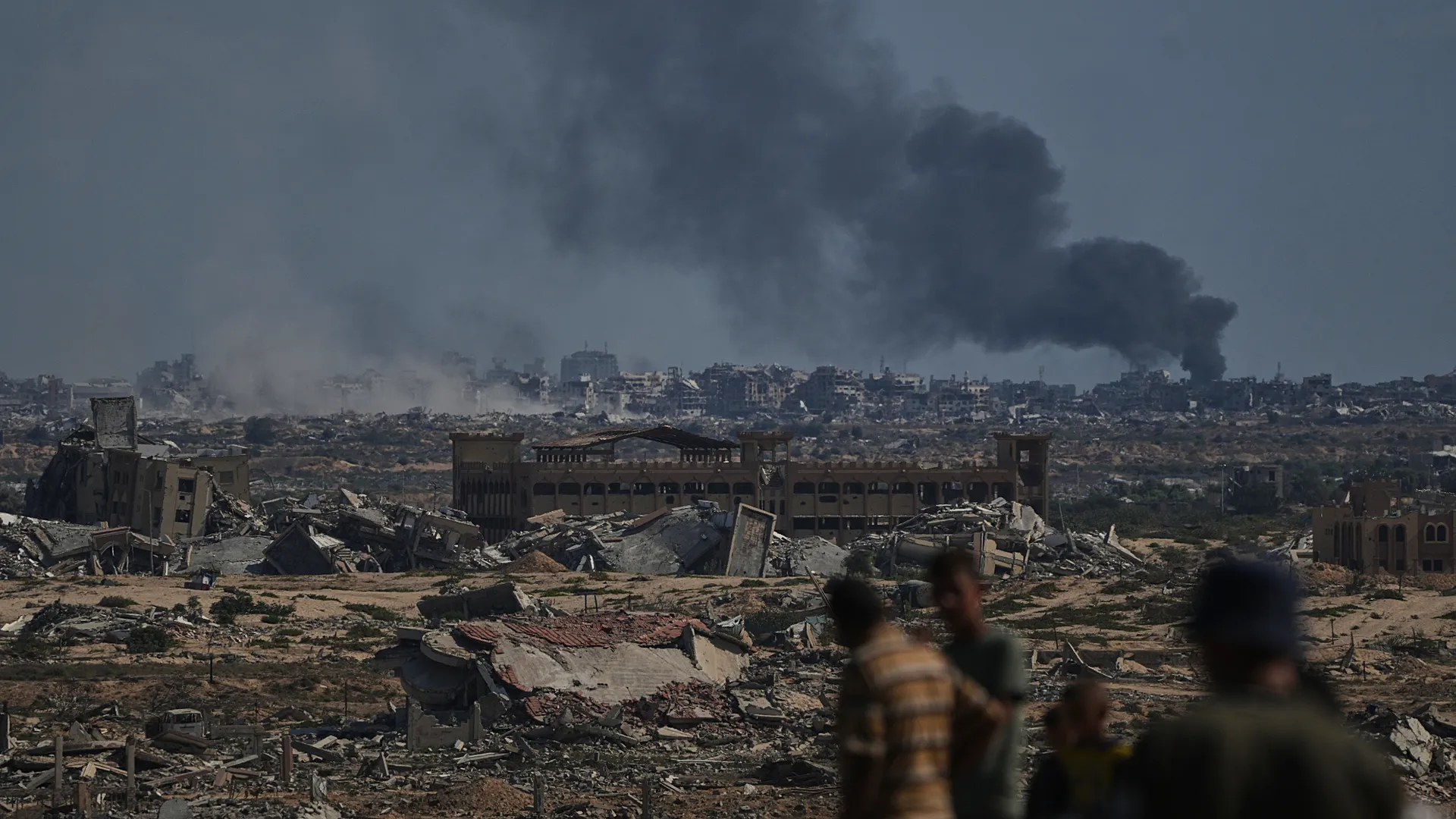
A war defined by relentless assaults is entering a new phase — one built on fortified positions, diplomatic maneuvers, and strategic recalibration.
Gaza City, October 2025. The Israel Defense Forces (IDF) announced a major shift in their military strategy, moving from large-scale offensive operations to a defensive posture aligned with a U.S.-brokered initiative led by former President Donald Trump. The move marks a pivotal moment in the conflict, signaling an end to weeks of intense ground assaults while maintaining strict control over the besieged northern Gaza region.
IDF spokesperson Avichay Adraee urged civilians not to return to northern areas or attempt to enter restricted southern zones, warning that active combat conditions persist. The army confirmed that the blockade remains intact and that movement in and out of northern Gaza will remain heavily restricted as part of the new operational framework.
Chief of Staff Eyal Zamir convened a high-level military assessment to implement the transition, prioritizing troop safety and consolidating territorial control. The Southern Command will now oversee defensive operations, while diplomatic channels focus on securing the first phase of a proposed hostage-release agreement. U.S. envoy Steve Witkoff is expected to travel to Cairo to support ongoing negotiations between Israel and Hamas.
Despite the shift in rhetoric, Israeli airstrikes continued throughout Gaza, causing additional civilian casualties. The Palestinian Health Ministry reported that more than 67,000 people have been killed since the outbreak of the war, including hundreds who died from starvation and malnutrition, with at least 459 deaths linked directly to the humanitarian crisis.
Military analysts interpret the new posture as both a tactical and strategic maneuver. On the surface, it reflects Israel’s attempt to regain diplomatic ground amid growing international pressure for a ceasefire and rising global outrage over civilian deaths. At a deeper level, it consolidates control over critical zones while avoiding the political costs associated with expanded territorial incursions. According to European defense experts, the shift may also serve as a mechanism to reduce casualties and maintain operational flexibility during potential negotiations.
However, the realities on the ground remain largely unchanged. Shelling continues across urban centers, surveillance operations are ongoing, and civilian movement remains heavily restricted. Analysts argue that preventing displaced residents from returning to northern Gaza is part of a broader strategy to hinder reconstruction and sustain pressure on the population. Critics warn that the so-called defensive phase is less a sign of de-escalation and more a rebranding of long-term coercive control.
The strategic implications extend beyond Gaza. Similar defensive recalibrations have been observed in other Middle Eastern conflicts, often used to mitigate diplomatic isolation or economic sanctions while maintaining core military objectives. In Asia, rival powers have adopted hybrid strategies in which defensive operations function as attritional campaigns rather than retreats. What appears to be a pause in escalation can often mask an evolution of warfare into new domains such as cyber operations, information manipulation, and targeted economic disruption.
Israel’s repositioning is thus a calculated act of narrative control. By framing its actions as defensive, it seeks to shift international discourse toward self-preservation and deterrence rather than aggression. Yet this reframing does not erase the humanitarian toll or geopolitical risks. Should civilian casualties continue to rise and diplomatic condemnation intensify, the shift could be perceived not as an act of restraint but as a strategic deception designed to prolong the conflict on new terms.
For now, Gaza stands at a critical juncture. The guns have not fallen silent, but their targets — and the logic behind them — are changing. The transition from offense to defense may offer temporary relief from large-scale ground operations, but it also entrenches a system of control that extends far beyond the battlefield. The war is evolving, and with it, the landscape of resistance, negotiation, and survival.
Analysis that transcends power. / Análisis que trasciende al poder.