

 Phoenix 24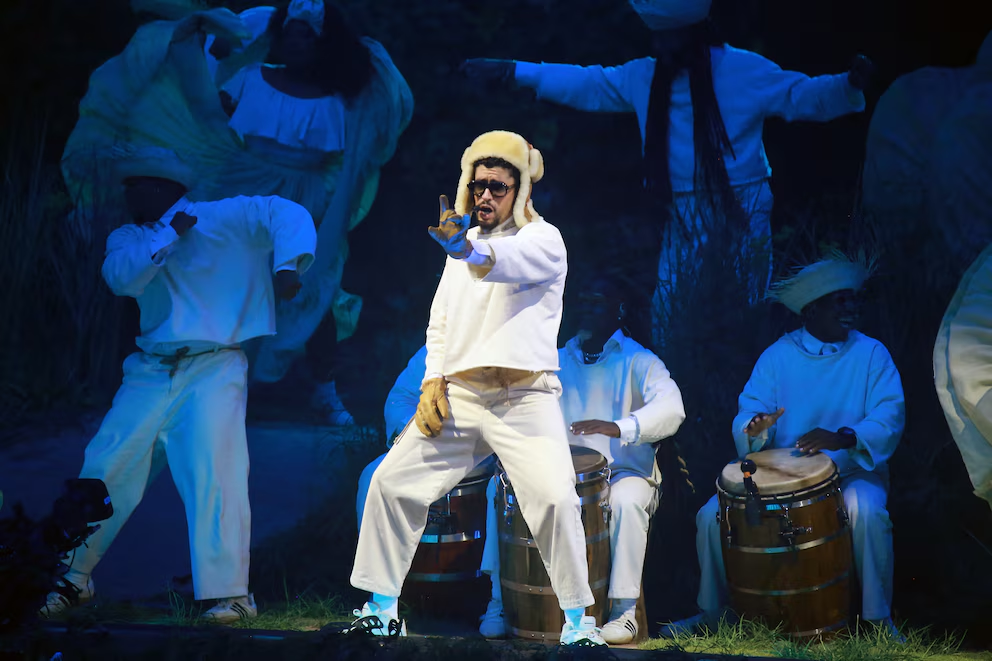
A Spanish-speaking artist will lead the world’s most-watched stage, signaling a cultural shift far beyond music.
Los Angeles, September 2025. In a decision that blends sports, entertainment and identity, Puerto Rican superstar Bad Bunny has been officially confirmed as the headliner for the Super Bowl LX halftime show, scheduled for February 2026 at Levi’s Stadium in Santa Clara, California. The announcement is more than an entertainment headline: it represents a historic moment for Latin music and global cultural visibility on one of the most powerful stages in the world.
Bad Bunny’s journey from local trap innovator to international phenomenon has been extraordinary. At just 31, he will become one of the few Spanish-language artists ever to headline the event, a milestone that reflects how Latin music has broken through language barriers and redefined mainstream popular culture. Industry analysts see his selection as a recognition of the demographic and cultural shifts that have transformed the entertainment landscape over the past decade, with Spanish-speaking audiences now shaping music consumption, streaming data and global tours.
This will not be Bad Bunny’s first appearance at the NFL’s biggest show. He previously joined Shakira and Jennifer Lopez on the halftime stage, an appearance widely celebrated for its representation of Latin identity. His evolution from guest performer to lead act symbolizes the transition of Latin artists from supporting roles to driving forces in global entertainment.
The implications go far beyond music. For decades, the Super Bowl halftime show has been dominated by English-speaking performers and traditional pop acts, often reflecting the cultural narratives of mainstream America. Placing a Puerto Rican artist at the center of the broadcast challenges those conventions, highlighting a more diverse cultural reality and acknowledging the growing influence of Spanish-language audiences both in the United States and abroad. The decision also underscores how Latin music has become a central part of the global entertainment economy, not a niche phenomenon.
Bad Bunny has described the performance as a tribute to “my people, my culture and our history,” a message that resonates deeply across Latin America and within diaspora communities worldwide. For many fans, his presence represents more than representation — it is a form of cultural affirmation on a stage that historically excluded non-English voices.
The halftime show has always been a cultural barometer, reflecting broader social dynamics and tensions. Last year’s performance, led by Kendrick Lamar, was celebrated as a showcase of Black artistic excellence and cultural influence. This time, the spotlight will focus on Latin identity, migration stories and the power of music to connect across languages and borders. Production sources suggest that themes of heritage and resilience will be central to the creative direction of the show, integrating music, choreography and visual design into a cohesive narrative.
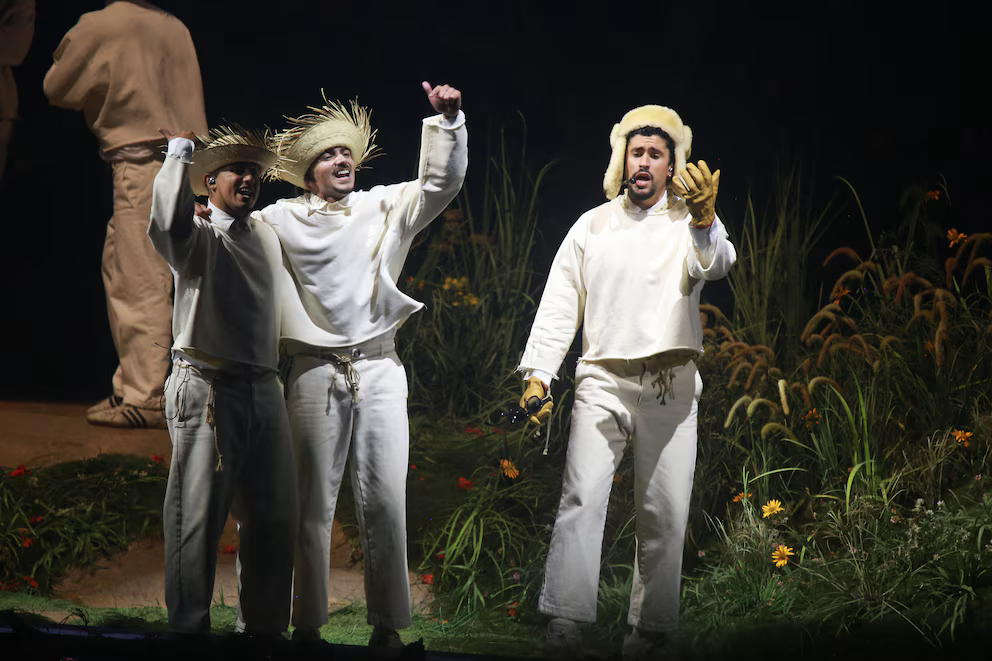
From a strategic perspective, the Super Bowl is not just a sports event but a global media platform, reaching more than 130 million viewers in over 180 countries. For Bad Bunny, the opportunity is monumental. His current world tour strategically avoids the United States, meaning this performance could become his primary live appearance for American audiences in 2026. It also sets the stage for broader commercial and cultural ripple effects, from advertising strategies to programming decisions across major networks and streaming platforms.
The decision also reflects a structural change in how halftime acts are chosen. Where the slot once favored legacy artists and mainstream pop performers, it now considers streaming metrics, audience diversity and cross-market influence. Latin music consistently ranks among the most consumed genres worldwide, and its dominance has made the presence of a Latin headliner not just symbolic but inevitable.
The impact of this show will likely extend far beyond the event itself. It may inspire similar representation at other flagship cultural moments, open doors for artists from underrepresented regions and influence how major brands engage with multicultural audiences. For the NFL and its entertainment partners, this is both a creative and strategic evolution — one that acknowledges the cultural complexity of its audience and embraces a global future.
Bad Bunny now faces the challenge of delivering a show that meets the weight of expectation. Success will require more than spectacle: it will demand a performance that balances authenticity with universal appeal, one that honors cultural heritage while captivating a global audience. If achieved, this halftime show will be remembered not only as a performance but as a defining moment in the story of music, identity and power.
Phoenix24: the visible and the hidden, in context. / Phoenix24: lo visible y lo oculto, en contexto.