

 Phoenix 24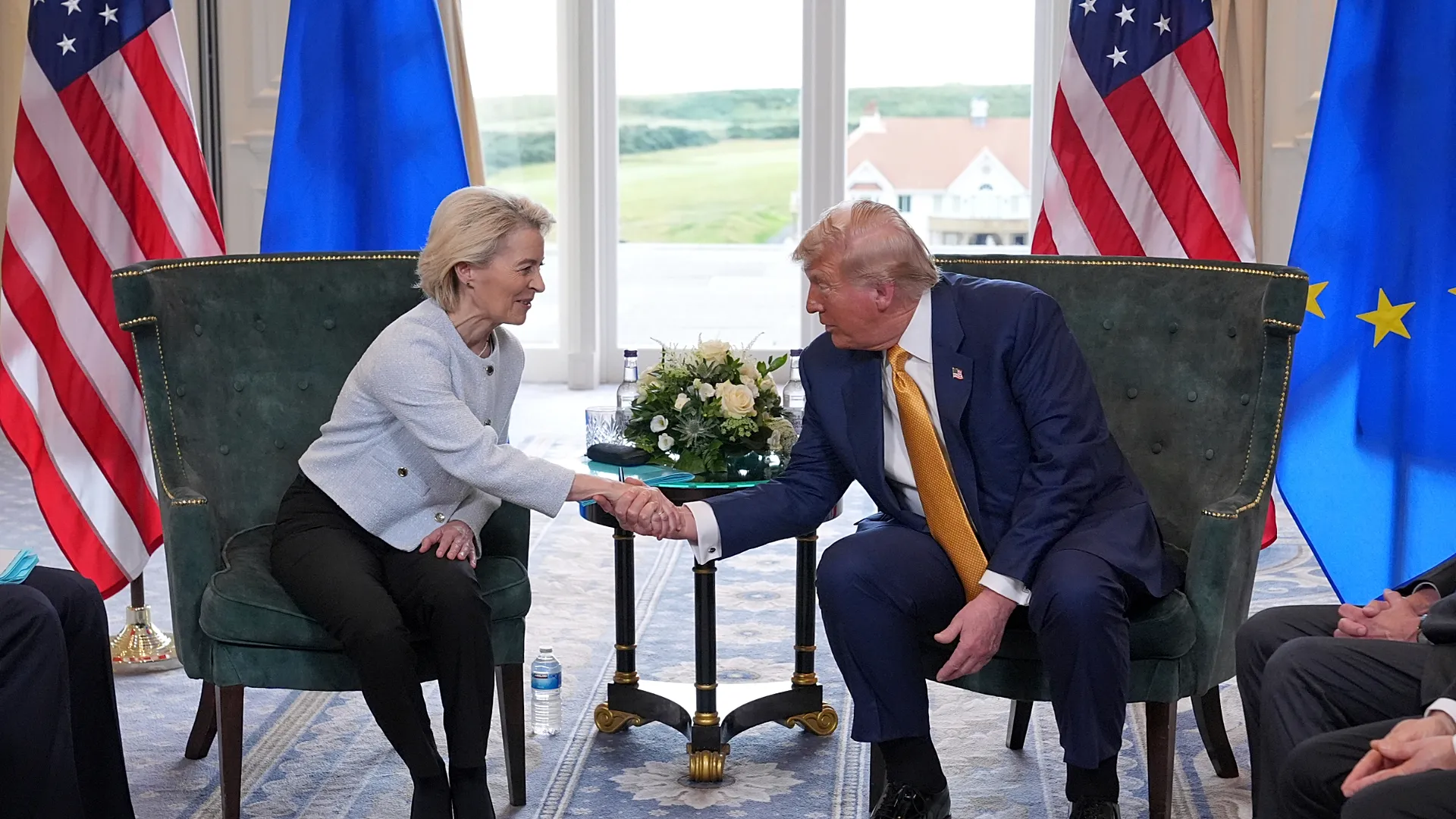
Trade tensions surge once more, and pharmaceuticals stand at the fault line.
Brussels, September 2025. With dramatic tension building over U.S. tariff threats, the European Union expresses confidence that it can escape the full force of newly proposed American duties on pharmaceutical imports. While the U.S. administration has threatened a 100 % tariff on drugs, EU officials point to a recent agreement that aims to cap duties on pharmaceutical exports at 15 %.
The crux of the issue lies in a diplomatic accord formalized between the EU and the U.S. this summer. Under that joint statement, Washington committed not to impose tariffs on EU pharmaceuticals beyond 15 %. EU trade spokespeople now invoke that assurance to argue that the bloc’s producers will be shielded from the worst-case scenario. Observers note that, before this dispute, EU pharmaceuticals generally entered the U.S. market duty-free.
The situation is fraught with legal and market risk. U.S. President Donald Trump has publicly announced plans to levy 100 % tariffs starting October 1 on imported branded or patented drugs—except in cases where manufacturers had already begun building production facilities in the United States. The EU Commission insists that the current mechanism gives it commercial “insurance” to prevent higher tariffs from being applied.
Still, the assurances leave some room for doubt. The European side acknowledges that, while the 15 % ceiling provides a safeguard, it does not fully restore the status quo. That margin could still squeeze exporters and drive political friction in sectors sensitive to margins. Meanwhile, the markets react with visible caution: pharmaceutical firms are already assessing contingency plans, including reorganization of supply chains and investment in U.S. manufacturing capacity to bypass potential barriers.
The broader backdrop is a sharp slowdown in EU exports to the U.S., especially in industries vulnerable to tariff exposure. Recent trade data show that in July 2025 exports from the EU to the U.S. declined by 10 %, with large drops in pharmaceuticals and vehicles. The tariff threat adds urgency to efforts by the EU to negotiate durable pathways for market access and mutual confidence.
Beyond numbers, this conflict carries symbolic weight. Europe sees its pharmaceutical industry as one of its most technologically advanced and globally competitive sectors. Any disruption in market access could undermine long-term innovation incentives, investment flows, and the bloc’s standing in biotech and life sciences globally. Analysts warn that if U.S. tariffs become a precedent, other sectors may be tempted to invoke national security as justification for trade barriers.
In response, Brussels is exploring multiple options. Diplomats hint at potential retaliatory tariffs or targeted trade measures in response to unjust or excessive U.S. duties. Meanwhile, EU officials are pushing for accelerated regulatory alignment, mutual recognition of standards, and legal safeguards centered on the joint statement as binding commitments.
For pharmaceutical companies, the weeks ahead are critical. Decisions made now about capacity, supply chain resilience, and investments in U.S. footprints may determine who survives in a more fractured global trade regime. In many ways, this clash is a stress test: can rule-based trade systems contain geopolitical pressure? Or will distortions ripple outward and reshape the global pharmaceutical order?
Phoenix24: clarity in the grey zone. / Phoenix24: claridad en la zona gris.