

 Phoenix 24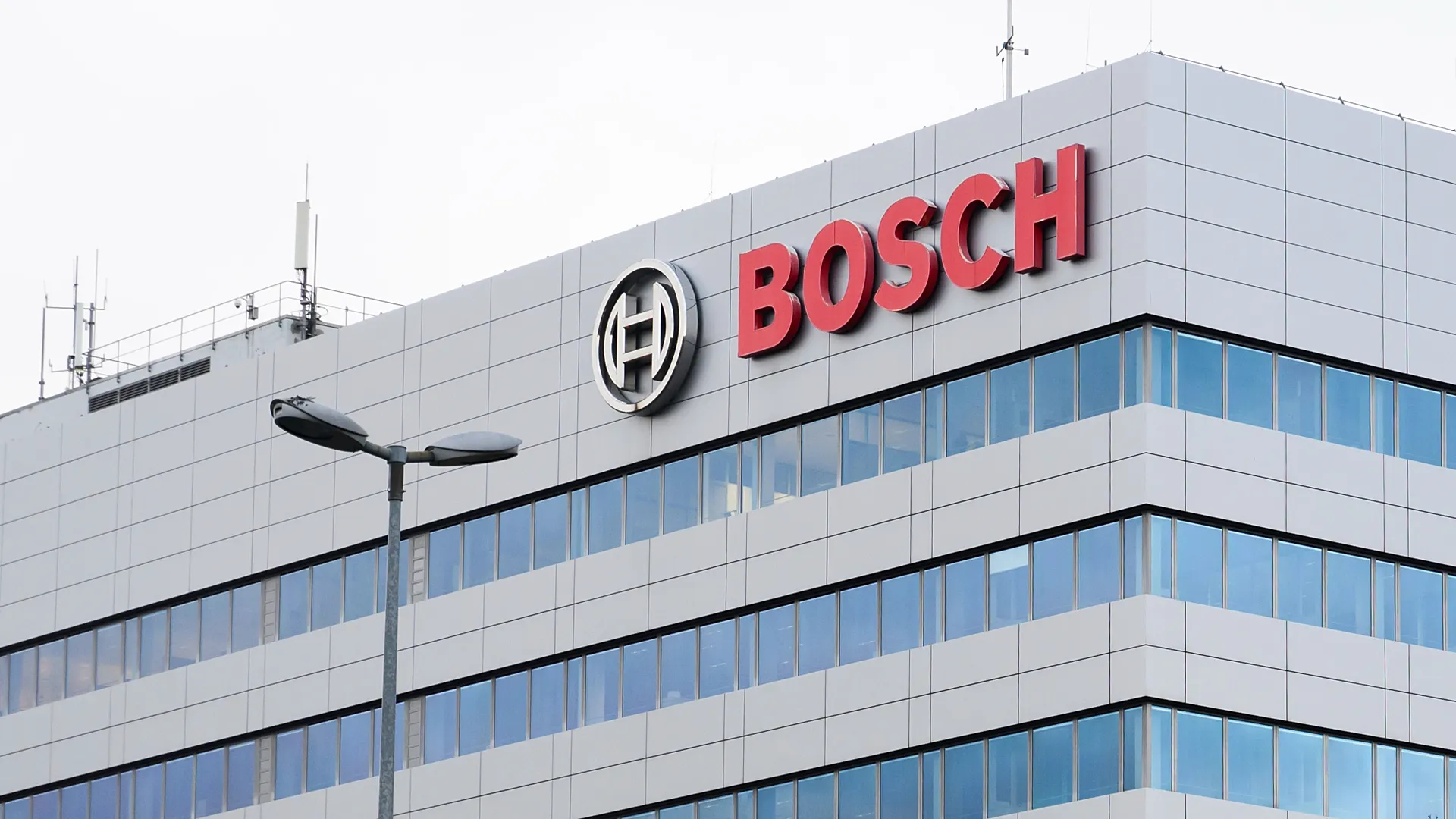
Europe’s auto industry braces for a major workforce shake-up as Bosch cuts costs and jobs.
Stuttgart, September 2025. German industrial giant Bosch has announced plans to eliminate approximately 13,000 jobs from its automotive components division by 2030, a sweeping restructuring move that underscores the mounting pressure on Europe’s automotive supply chain. The decision, focused largely on operations in Germany, reflects a dramatic shift in the global mobility landscape and the company’s struggle to remain competitive amid the transition to electric vehicles, slowing demand, and rising costs.
Bosch’s leadership cited a persistent cost gap of around 2.5 billion euros annually in its mobility segment as the main driver behind the cuts. The reductions will affect roles across development, administration, sales, and production, particularly in divisions tied to traditional combustion-engine technologies. Sites in Feuerbach, Schwieberdingen, Waiblingen, Bühl, and Homburg are expected to be among the hardest hit. The company emphasized that while the decision is painful, it is necessary to secure long-term viability in a rapidly changing industry.
The announced cuts represent about three percent of Bosch’s global workforce of 418,000 employees. In addition to job reductions, the company plans to pursue cost-saving measures through artificial intelligence integration, efficiency improvements, supply chain optimization, and material cost reductions. Still, executives acknowledge that workforce downsizing is an unavoidable part of adapting to the structural transformation underway in the automotive sector.
Industry analysts view Bosch’s announcement as part of a broader realignment sweeping across Europe’s automotive supply ecosystem. Suppliers face shrinking margins as automakers internalize more component production, global demand for vehicles stagnates, and regulatory changes accelerate the shift toward electrification. At the same time, delays in hydrogen technology deployment and the rising cost of raw materials are forcing many companies to rethink their business models. Bosch’s move follows similar decisions by other major suppliers and signals a deeper restructuring wave that could reshape the sector’s employment landscape.
Labor unions have reacted strongly to the announcement. Germany’s IG Metall and local works councils have criticized the scale of the planned cuts, calling them unprecedented and demanding stronger social safeguards. Bosch has pledged to engage in negotiations with employee representatives and explore alternatives such as early retirement, voluntary departure programs, and redeployment within the company. Union leaders warn, however, that the move risks significant social consequences for workers and their families in regions heavily dependent on automotive employment.
Strategically, Bosch argues that the restructuring is essential to maintaining its leadership in the future mobility market. The company insists that it remains committed to Germany and Europe as manufacturing hubs but warns that without decisive action, rising costs and intensifying global competition could erode its position. Bosch plans to redirect resources toward electrification, software development, and automation technologies — areas seen as critical to the company’s long-term growth and competitiveness.
The economic and social ripple effects of the decision are expected to be significant. The regions targeted for job cuts are deeply tied to Germany’s automotive core, and the impact will extend beyond Bosch itself to supplier networks, local economies, and municipal budgets. Some sites may face repurposing, consolidation, or closure, while communities dependent on automotive employment could see increased unemployment and reduced economic activity.
Political pressure is likely to follow. The German government, already grappling with industrial challenges amid the green transition, may face calls to provide targeted support or policy interventions to cushion the blow. Discussions around retraining programs, incentives for new technology investments, and public-private initiatives to attract emerging mobility startups are expected to intensify.
Bosch portrays the decision as a strategic reset rather than a retreat. The company’s leadership argues that adapting now will enable it to remain a key player in the next era of mobility, even if the process involves short-term disruption and difficult choices. However, balancing modernization with social responsibility will be a major challenge — one that could determine not only Bosch’s future but also the broader resilience of Europe’s industrial base.
Global narrative resilience. / Resistencia narrativa global.