

 Phoenix 24
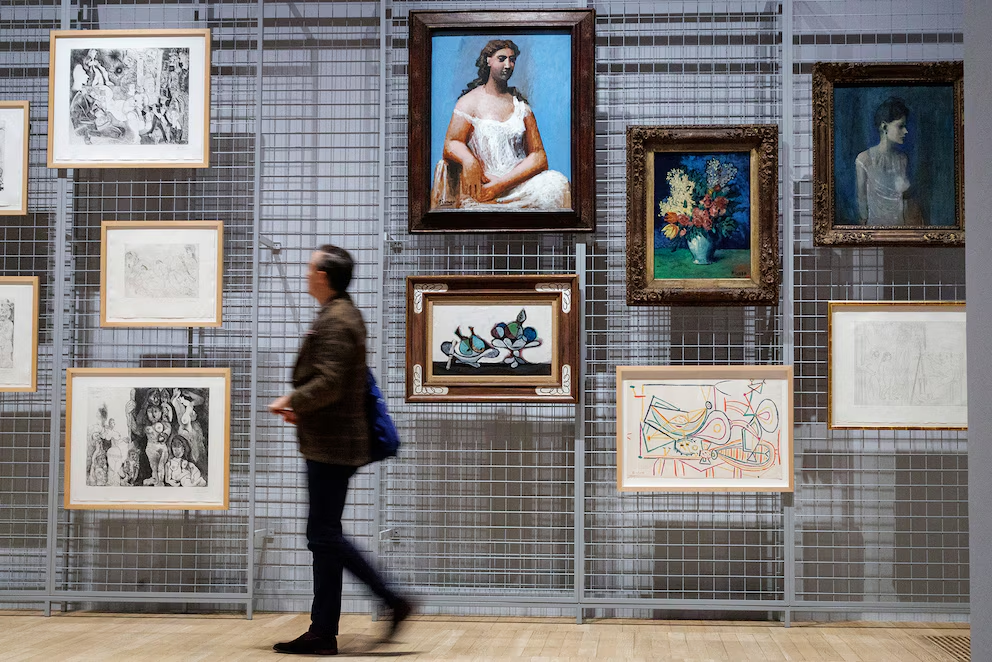
When art becomes performance the audience is both witness and actor
London September 2025 — The Tate Modern opens Theatre Picasso, an unprecedented exhibition that highlights Pablo Picasso’s performative and theatrical facets. Composed of over fifty works, it weaves together pieces from Tate’s own collection and loans from institutions like the Musée National Picasso-Paris, anchored by the centenary of Los tres bailarines (1925), which guides the visitor from beginning to climax through staged design and immersive setting.
Curators Enrique Fuenteblanca from Seville and Wu Tsang from Massachusetts sought to reveal how Picasso integrated elements of theatre dance and popular imagery not just as subject but as method. As visitors move through the exhibition they traverse spaces designed like theatre sets ending in an area displaying his most dramatic works. The layout invites reflection on how action, gesture and posture in Picasso’s work carry meaning beyond the frame.
Featured among the highlights are La mujer que llora (1937) Mujer desnuda en sillón rojo (1918) and for the first time in the United Kingdom the tapestry of the Minotaur created in 1935 from the Musée Picasso in Antibes. The exhibition also includes continuous screenings of El misterio de Picasso by Henri-Georges Clouzot and dynamic projections showing the evolution of his brushstrokes to emphasize process as performance.
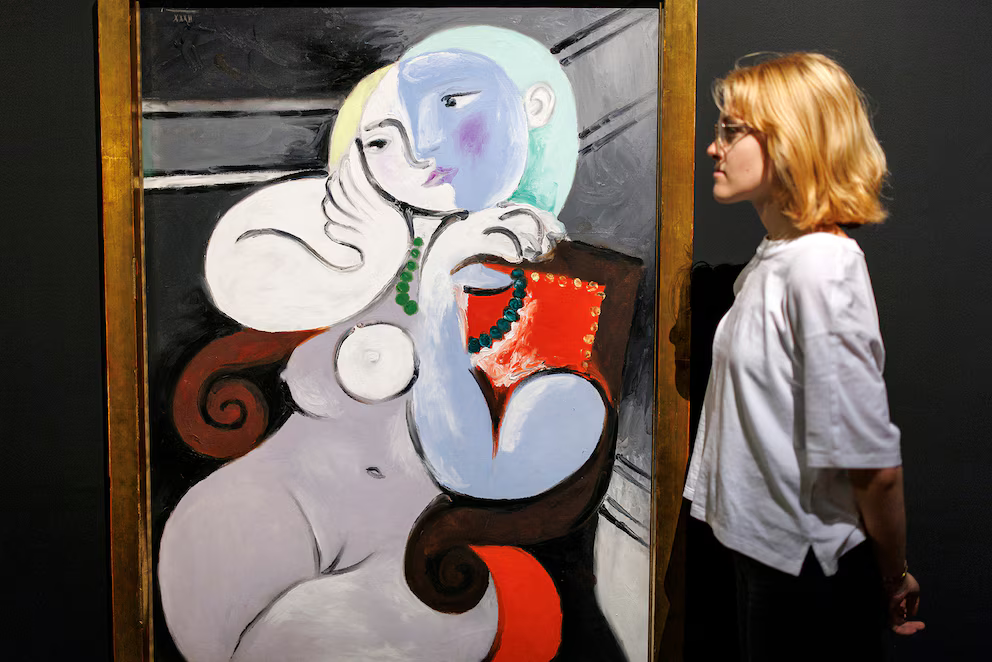
The curatorial ambition goes beyond display: it reframes collecting and exhibiting as active practices. Fuenteblanca describes the show as a commentary on how public gaze has been constructed how images engage spectatorship and how collectors and museums shape meaning. On anniversaries like this Tate Modern’s 25th it becomes a moment not only of celebration but of questioning tradition.
Performances will accompany the exhibition: theatre opera musical evenings including a Carmen adaptation and flamenco shows layered into Tate’s program to blur lines between visual art and live performance thus inviting the visitor to become part of the unfolding drama.
The exhibition’s theatrical setup and programming reflect the ways Picasso’s work has always unsettled boundaries between forms. His dance with form, his use of bodies and spaces and the way he staged pain and love all feed into an understanding of art as event, not just object.
In conceptual terms Theatre Picasso asks whether the weight of Picasso’s legacy can be staged without weight; whether the fixed canvas can still surprise when arranged like a stage. It asks how a viewer’s movement through light sound image and silence shapes their experience of art.
In offering the dramatic, the performative, Tate Modern welcomes ambiguity: how much is performance in Picasso’s gesture how much is his life a performance how much is display itself performance.
The truth is structure not noise Memory is always political
La verdad es estructura, no ruido La memoria es siempre política