

 Phoenix 24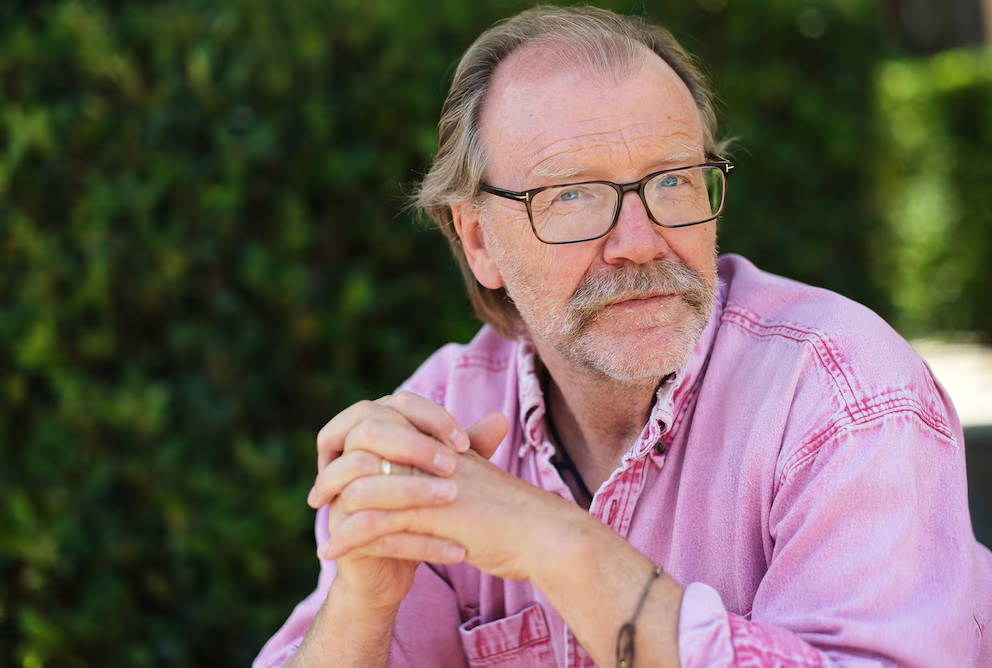
The writer who blended dark humor, empathy, and narrative craft now enters the pantheon of essentials.
New York, September 2025
George Saunders’ career has never followed a conventional script. From his early years as an engineer in the oil industry to becoming one of the most influential storytellers of contemporary literature, his path is anything but linear. Now, at 66, he has received the National Book Award for Distinguished Contributions to American Letters, a recognition that places him alongside literary giants such as Toni Morrison and Robert Caro.
The award acknowledges not only his body of work but also his influence on new generations of writers. Author of more than a dozen books, Saunders has built a singular reputation. His short story collection Tenth of December was a finalist for the National Book Award and won the Folio Prize. His novel Lincoln in the Bardo earned the Booker Prize in 2017, while A Swim in a Pond in the Rain combined essays and lessons on Russian masters with his own reflections on storytelling. His forthcoming novel, Vigil, promises to explore human vulnerability through the inner life of a powerful executive facing mortality.
What sets Saunders apart is his style. His dark, often grotesque humor coexists with a tenderness toward his characters that surprises the reader. There is no cruelty in his irony, but rather an empathy that exposes the fragility of human beings within societies shaped by consumerism and alienation. That balance between satire and compassion has turned him into a distinctive voice in contemporary literature. As Ruth Dickey, director of the National Book Foundation, explained, his fiction “brings people together and reminds us of our shared humanity.”
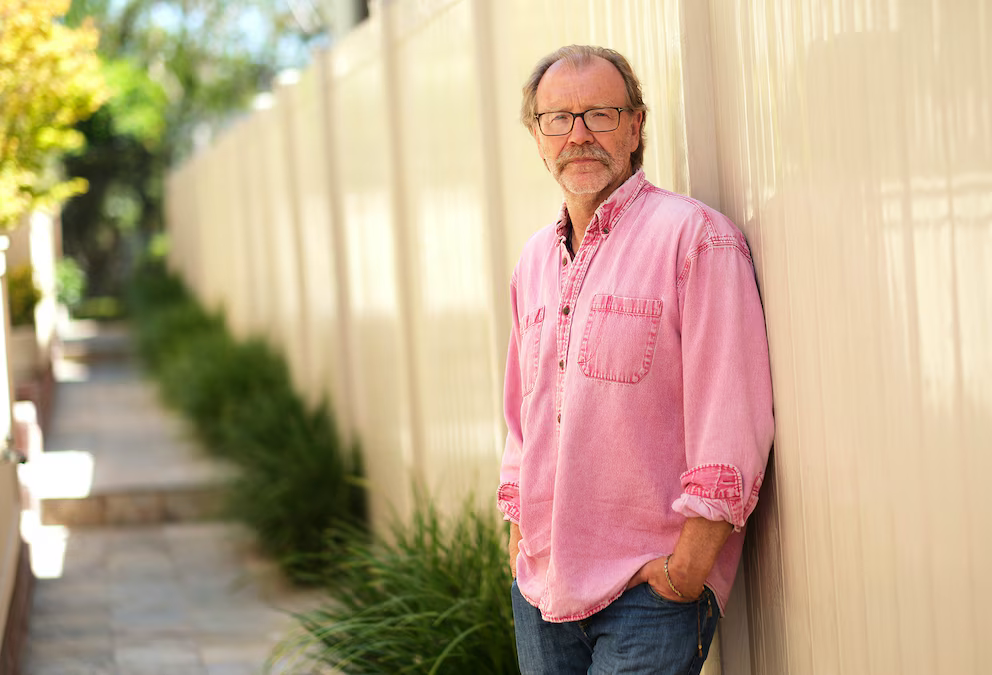
Saunders’ impact extends beyond his writing. A professor at Syracuse University, he has mentored dozens of writers who praise his generosity and rigor. Through his Story Club newsletter and workshops, he shares craft insights and reflections on the art of storytelling. His widely circulated graduation speech, urging young people to “err in the direction of kindness,” became a moral compass for many readers and aspiring authors.
This recognition also arrives at an unusual moment. Unlike many recipients who are honored late in their careers, Saunders receives the award while still actively creating. Far from signaling closure, the medal amplifies anticipation. His upcoming projects suggest that his literature, rather than repeating old formulas, will continue experimenting with form and deepening its exploration of the human condition.
Throughout his work, Saunders has portrayed the paradoxes of American life: the promise of prosperity colliding with the reality of exclusion and disillusion. His stories, marked by both humor and melancholy, reveal loneliness, symbolic violence, and the possibility of redemption. This critical perspective, never polemical, defines his literature as both mirror and moral resistance.
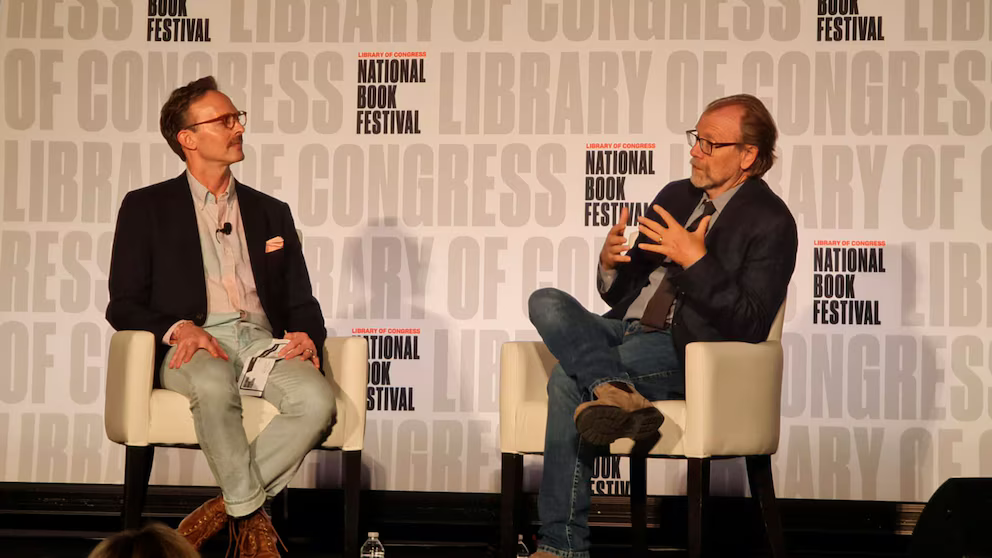
In essence, the National Book Award not only crowns the career of a gifted writer but also validates a vision of literature as an act of empathy and clarity. Saunders joins a circle of authors whose voices transcend the page, shaping generations and challenging the notion that writing is an isolated practice. With humor, soul, and lucidity, his work reaffirms that literature remains a space of resilience and hope.
The visible and the hidden, in context.
Lo visible y lo oculto, en contexto.